Myanmar Junta Regains Control Amid Resistance
Military gains leverage with conscription and tactics
Model Diplomat3 min readSoutheast Asia
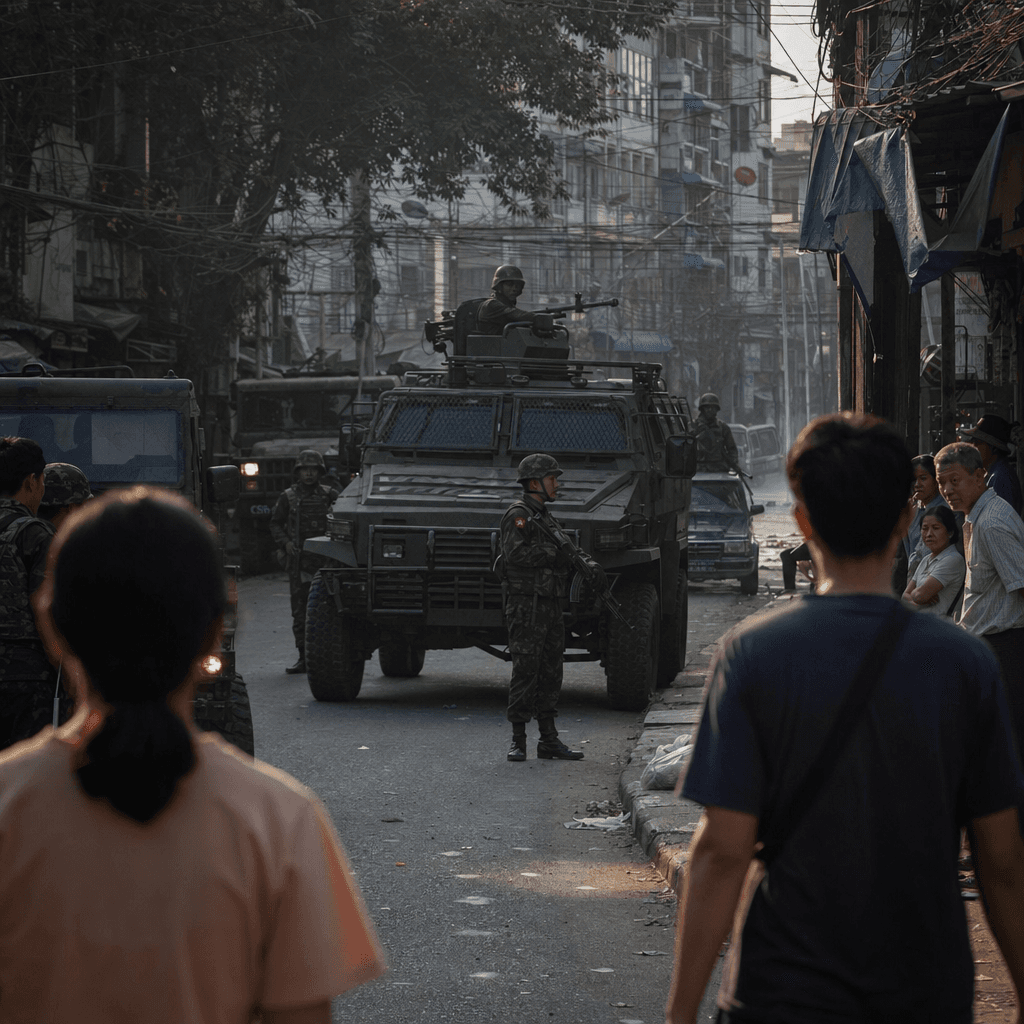
Myanmar Junta Regains Initiative as Resistance Frays
Conscription, drones and Chinese pressure have restored the junta’s leverage; the next fight is over whether that becomes control. AP News
The Straits Times
Myanmar’s military is no longer fighting simply to avoid collapse. AP reports that the army, reinforced by new conscripts, now looks positioned to resume offensive operations after months in which resistance forces had seized the initiative. AP News The power move is clear: Min Aung Hlaing is trying to convert a battlefield recovery into political consolidation after a pro-military parliament elected him president on April 3, 2026, by 429 votes to 126.
The Straits Times
Why the balance is shifting
The junta’s leverage rests on three assets. First, forced manpower: AP says the army is now “filled with new conscripts,” easing the attrition that had hollowed out front-line units. AP News Second, tactics: Reuters-based reporting in The Straits Times says the military has paired infantry assaults with artillery, air power and a larger drone fleet, helping it claw back limited ground in at least three states.
The Straits Times Third, outside pressure: the Ta’ang National Liberation Army agreed in October 2025 to withdraw from Mogok and Momeik after China-brokered talks in Kunming, showing Beijing can narrow the resistance’s room for maneuver when its border interests are at stake.
South China Morning Post
This does not amount to strategic victory. The same Reuters-based reporting says junta gains remain uneven and rebels still hold stretches of a front running from the China border to the Bay of Bengal. The Straits Times But the military has regained the initiative, which matters more than map changes in the near term. In Myanmar’s wider
conflict, initiative decides who sets the pace, who chooses the front, and who can claim the state still functions.
Who gains, who loses
The immediate winner is the Tatmadaw high command. It now has more freedom to sequence the war—contain one theater, pressure another, and use negotiations selectively. That logic is already visible: Myanmar’s military-backed government has imposed martial-law-style rule in 60 townships for 90 days, transferring executive and judicial authority there to military chief Ye Win Oo. The Straits Times
The losers are fragmented resistance forces and civilians in contested regions. Anti-junta groups still have reach, but China’s pressure in the north and the junta’s renewed offensive capacity make coordinated nationwide pressure harder to sustain. Civilians in Sagaing, Magway, Mandalay, Shan, Rakhine, Chin, Kachin, Kayah and Kayin face the cost as military control deepens. The Straits Times
What to watch next
The next decision point is July 31. Min Aung Hlaing has called for talks within 100 days, but major groups including the Karen National Union and Chin National Front have already rejected the offer. The Straits Times For policymakers tracking Myanmar and the wider
international fallout, the question is no longer whether the junta can still fight. It can. The question is whether it can turn tactical momentum, Chinese diplomatic cover, and martial-law powers into durable control before the resistance adapts again.
Discover more

US Politics
Next Generation Republicans
A leaked survey shows 39% of Republicans under 30 do not identify as MAGA, revealing a split in the GOP's future leadership.

Conflict & Security
Drone Warfare Killing Aid Workers at Unprec
Over 1,000 humanitarian workers killed in three years as cheap armed drones collapse legal protections. Gaza, Sudan, Ukraine, and DRC see deliberate targeting of aid convoys and hospitals with zero prosecutions.

Global
World Normalises Taliban as Afghan Women Eras
UN data shows Afghan women erased from public life as Russia recognises the Taliban, EU hosts officials in Brussels, and ICC warrants for gender persecution go unenforced.
Conflict & Security
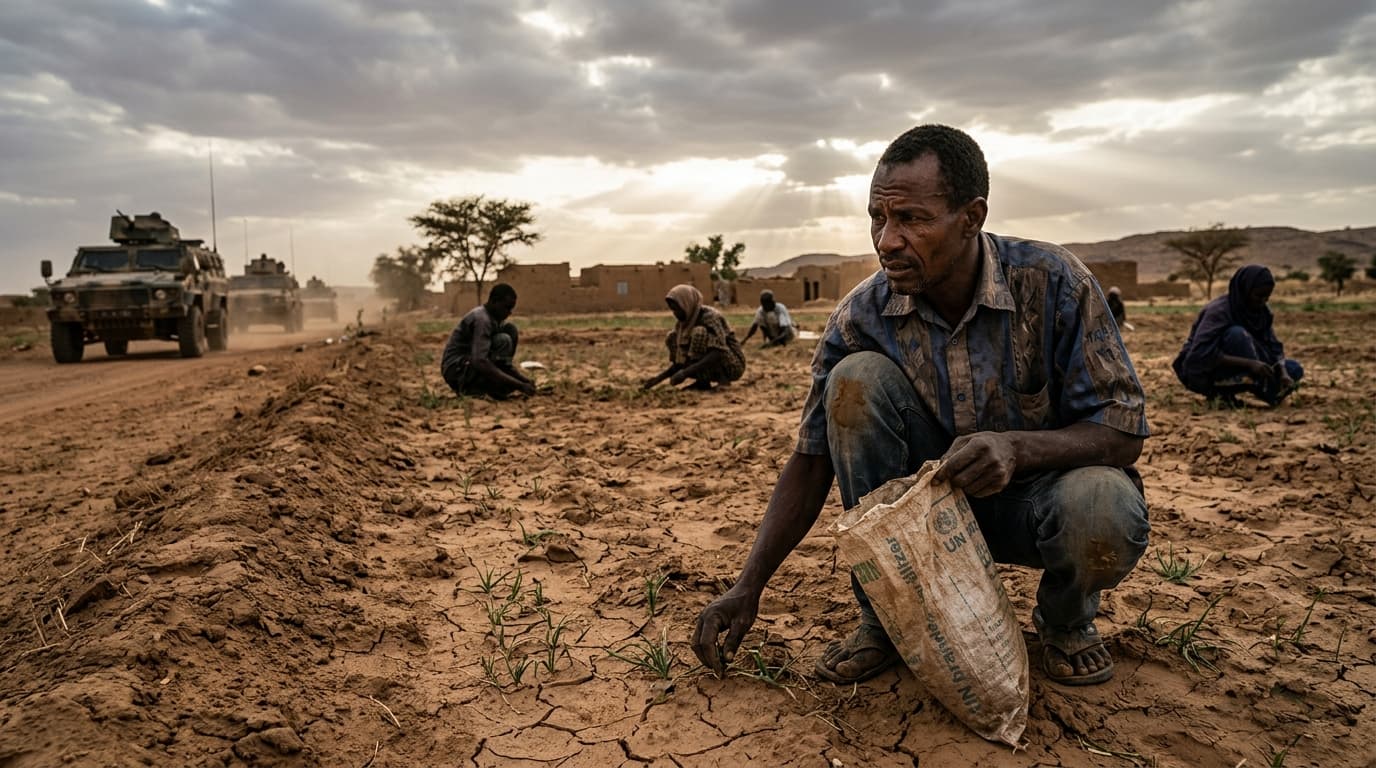
West Africa Food Crisis: Three Shocks in 2026
Conflict, climate extremes, and the Strait of Hormuz closure drive a severe food crisis in West and Central Africa, with fertilizer prices surging 80% and millions displaced.