Israel Bombs Lebanon Amid Historic Talks
U.S. mediates Lebanon-Israel talks as airstrikes continue.
Model Diplomat3 min readMiddle East

Israel Keeps Bombing Lebanon. Rubio Is Still Talking.
Washington is brokering Lebanon-Israel talks for the first time in decades — but Israeli airstrikes are undermining the very sovereignty the deal is meant to secure.
Secretary of State Marco Rubio hosted a historic first: on April 14, Lebanese Ambassador Nada Hamadeh Moawad and Israeli Ambassador Yechiel Leiter sat across from each other at the State Department — the first direct Lebanon-Israel diplomatic engagement in decades. Two weeks later, Lebanon is still being bombed. That contradiction is the central problem of the current negotiating track, and it may be fatal to it.
The Leverage Gap
Lebanon enters these talks from a position of structural weakness, but with one underappreciated asset: a reformist government in Beirut that has actively moved to curb Hezbollah's armed activities — a concession Israel and the U.S. have demanded for years. Prime Minister Nawaf Salam's government has done what Washington asked. Yet Israeli airstrikes have continued, targeting what Jerusalem frames as Hezbollah infrastructure, while Beirut bears the civilian and political cost.
Israel holds the leverage. It has paused strikes on Beirut proper at Washington's request — a signal that U.S. pressure can constrain Israeli operations — but has not halted attacks across southern Lebanon. Israeli Foreign Minister Gideon Saar has framed Hezbollah's disarmament as the non-negotiable precondition for any durable arrangement, effectively placing the bar beyond what Beirut can immediately deliver. Hezbollah, for its part, opposes the direct talks entirely, accusing the Lebanese government of over-reliance on Washington and Tehran of abandoning the resistance axis amid broader international pressure on Iran.
Trump extended the ceasefire by three weeks following the Washington ambassadorial talks, buying time but not resolving the core tension: Lebanon wants Israeli troop withdrawal, prisoner releases, and reconstruction funding before full disarmament; Israel wants disarmament first. Neither side has blinked.
France Enters, Iran Looms
Macron met with Salam in Paris to press on sovereignty and reconstruction — reinforcing a European stake in Lebanon's stability after a French UNIFIL peacekeeper was killed in a strike in southern Lebanon. France's involvement gives Beirut a second diplomatic channel and mild external pressure on Israel, but Paris holds no real coercive leverage over Jerusalem.
The broader regional architecture matters here. U.S.-Iran talks, mediated through Pakistan, directly affect Hezbollah's operational calculus. If Tehran reaches a nuclear accommodation with Washington, the pressure on Hezbollah to stand down increases significantly — and Lebanon's reformist government gains room to consolidate state authority in the south. If those talks collapse, Hezbollah has every incentive to re-arm and reassert, and Beirut's negotiating position implodes. Iran, not Lebanon, is the upstream variable.
What to Watch
Three pressure points will determine whether this diplomatic track survives:
- The extended ceasefire expiry. With the initial truce already expired around April 22 and a three-week extension now in play, the mid-May deadline is the next hard date. If Israeli strikes intensify before then, the Lebanese government loses the domestic political space to continue talking.
- Hezbollah's posture. Any Hezbollah rocket attack — as occurred when renewed fighting broke out — hands Israel a justification to escalate and hands hardliners in Jerusalem a reason to scuttle the Washington track entirely.
- The U.S.-Iran negotiation timeline. Watch for whether Pakistan-brokered talks produce a framework. A deal constraining Iran is the only development that structurally changes Hezbollah's position on the ground in
the conflict.
Bombing Lebanon while negotiating with it is not incoherent from Israel's perspective — it's coercive diplomacy. The question is whether Washington is willing to make Israeli restraint a condition of U.S. support, or whether Beirut is simply being asked to sign a sovereignty agreement while sovereignty is being eroded from the air.
Sources: AP News — Lebanon-Israel direct talks |
AP News — Trump ceasefire extension |
AP News — Iran-Israel-U.S. April 14 |
Al Jazeera — Ambassadors begin direct talks
Discover more

International Relations
Pakistan's Key Role in US-Israel-Iran Meddle
Pakistan is seeking to mediate the US-Israel-Iran conflict, balancing high-stakes diplomacy against severe economic pressures and steep regional challenges.

Conflict & Security
Drone Warfare Killing Aid Workers at Unprec
Over 1,000 humanitarian workers killed in three years as cheap armed drones collapse legal protections. Gaza, Sudan, Ukraine, and DRC see deliberate targeting of aid convoys and hospitals with zero prosecutions.
Global
World Normalises Taliban as Afghan Women Eras
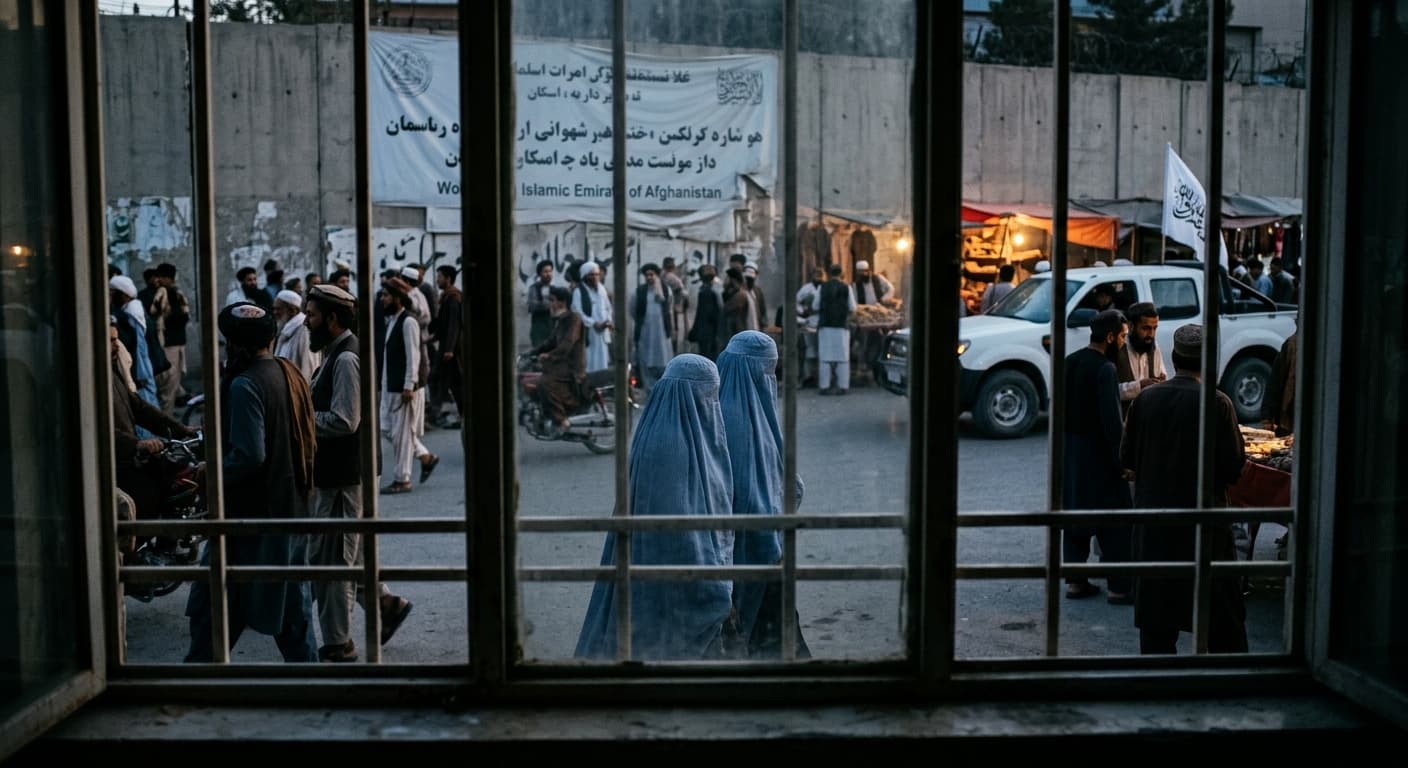
UN data shows Afghan women erased from public life as Russia recognises the Taliban, EU hosts officials in Brussels, and ICC warrants for gender persecution go unenforced.
Conflict & Security
West Africa Food Crisis: Three Shocks in 2026
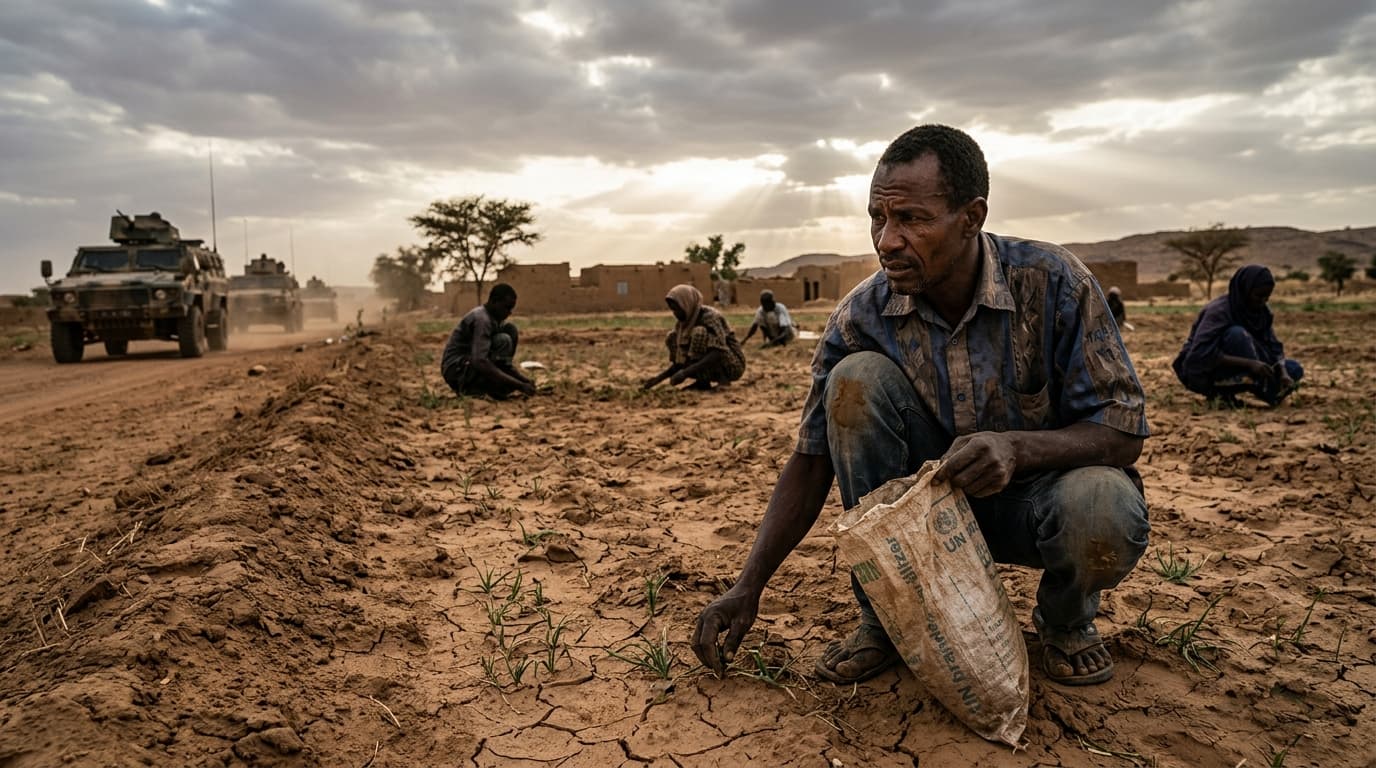
Conflict, climate extremes, and the Strait of Hormuz closure drive a severe food crisis in West and Central Africa, with fertilizer prices surging 80% and millions displaced.