Ukraine's Easter Truce Collapses on Cue — Again
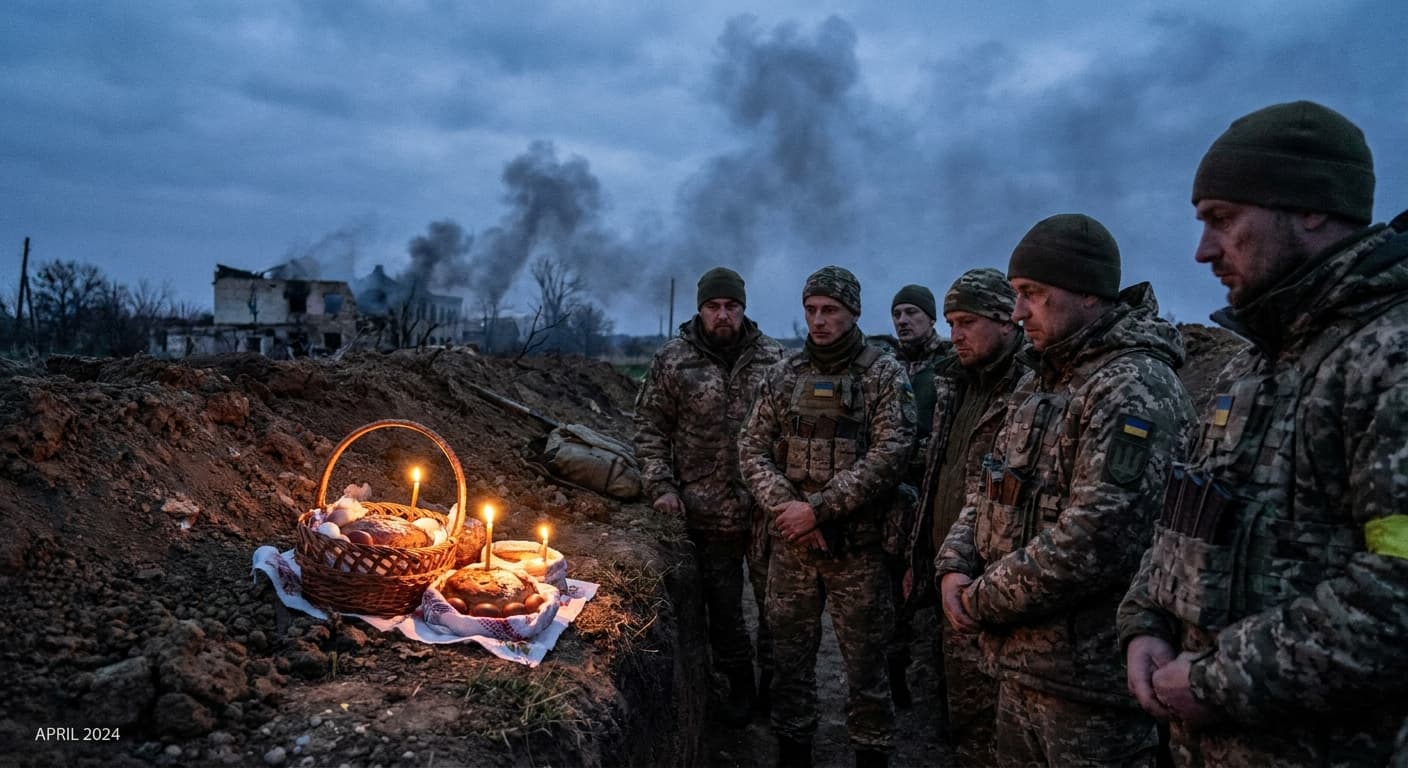
Both sides agreed to a 32-hour ceasefire for Orthodox Easter 2026. Both sides say the other broke it. Neither is wrong to be skeptical.
The pattern is now almost ritualistic. Putin announced a 32-hour Orthodox Easter ceasefire — running from 16:00 on April 11 to midnight April 12 — and Zelensky signaled Ukraine's readiness to reciprocate. Within hours of the window opening, Kyiv reported continued Russian shelling; Moscow accused Ukrainian forces of "provocations." The war, now in its fifth year, absorbed the pause and moved on.
Who's Playing Whom
The truce was initiated by the Kremlin, which framed it in religious terms. That framing is doing political work. Russia's target audience isn't Zelensky — it's Washington and Brussels. By positioning Moscow as the side willing to pause, Putin applies pressure on Western capitals to push Kyiv toward negotiations on Russian terms: territorial concessions in Donetsk and political guarantees against NATO membership. Zelensky has ruled out what he calls capitulation, and the U.S.-led diplomatic track has stalled, with envoy Steve Witkoff's shuttle diplomacy producing no framework since late 2025.
Ukraine's calculus is equally tactical. Kyiv accepted the truce in principle precisely to avoid being blamed for its collapse — while  French and British pressure to maintain Western unity made blanket rejection untenable. Zelensky's conditional language — "if Russia does the same" — gave Ukraine an exit ramp the moment the first shell landed.
A Pattern Without a Precedent for Success
Short holiday ceasefires in this war have a consistent track record: they get announced, they get violated, both sides blame each other, and front lines don't move. The 2025 Easter truce followed the same arc. Before that, the Minsk II framework — with its 13 points and OSCE monitoring — collapsed over years of documented violations by both sides before Russia's full-scale invasion in February 2022 rendered it moot. A 32-hour window with no monitoring mechanism, no enforcement body, and no third-party verification is structurally incapable of holding.
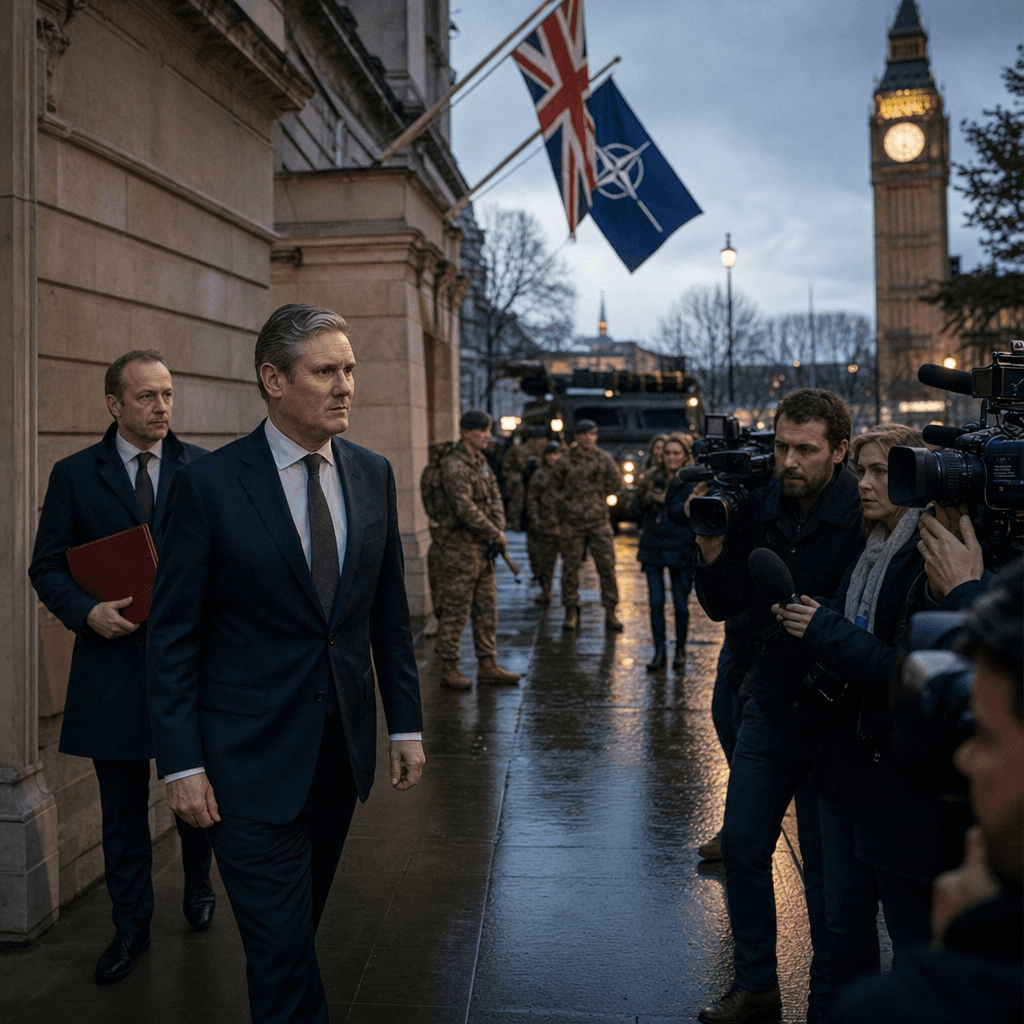
What's changed heading into 2026 is the military situation. Front lines have largely stalled since late 2025; Russian advances have slowed due to operational friction, while Ukraine has intensified long-range strikes on Russian energy infrastructure. The UK's delivery of ~120,000 drones — its largest-ever package — signals Kyiv is preparing for sustained attritional warfare, not imminent negotiation. That posture makes a voluntary pause harder to maintain on either side.
What to Watch Next
The Ukraine Defence Contact Group meets in Berlin in the coming weeks — that is the real diplomatic moment to track, not the Easter pause. Zelensky needs Western military commitments to sustain leverage before any serious negotiation; the UK drone package is one piece of that. On the Russian side, watch whether the Kremlin escalates rhetoric about Ukrainian "violations" to justify renewed operational tempo in Donetsk — the region remains the focal hotspot and the most likely site of the next declared Russian push.
The Easter truce told us nothing new about the path to peace. It confirmed that neither side has enough to gain from stopping — and that both have every incentive to control the narrative of who stopped it.
For broader context on the conflict's trajectory, see Conflict & Security at Diplomat Briefing.
Sources:  Le Monde/AFP |
  BBC |
BBC |  France 24 |
  DW
DW