US-Iran Talks in Pakistan
Witkoff, Kushner, and Vance engage Iran in critical diplomacy
Model Diplomat3 min readMiddle East
Witkoff, Kushner, and Vance Head to Pakistan as Hormuz Standoff Poisons Iran Talks
A US naval blockade, a seized Iranian cargo ship, and a Wednesday ceasefire deadline frame the highest-stakes Iran diplomacy in over a decade.
Steve Witkoff and Jared Kushner, accompanied by Vice President JD Vance, are in Islamabad for a second round of direct talks with Iranian Foreign Minister Abbas Araghchi — the first sustained US-Iran engagement in more than ten years. The meeting comes under severe strain: Iran's Foreign Ministry said as recently as April 20 it had "no plans" for a second round, following the US Navy's seizure of the Iranian-flagged cargo ship Touska near the Strait of Hormuz, which Tehran called an act of piracy and a ceasefire violation. AP News
Who Holds Leverage — and Who Doesn't
Washington walked into Islamabad holding the harder cards. Trump's naval blockade, announced April 11 after the first round of talks collapsed without agreement, bars traffic to and from Iranian ports in the Arabian Gulf and Gulf of Oman. Reuters Iran's economy, already staggering under years of sanctions, is now exposed to a physical chokepoint. Oil prices spiked on each escalation — a pressure Iran can't absorb indefinitely.
But Tehran retains asymmetric leverage. The IRGC has warned that any vessel approaching its naval perimeter constitutes a ceasefire breach, and Iran's hard-liners are already publicly undermining Araghchi's room to maneuver. The CFR has floated an "open for open" framework — mutual suspension of Hormuz blockades as a confidence-building step toward broader nuclear talks — but the IRGC's internal resistance makes even that minimalist offer difficult for Araghchi to deliver. CFR
Araghchi himself is a consequential variable. Reuters reports he is viewed inside Iran as its most powerful foreign minister yet, a key architect of the 2015 JCPOA, and was personally selected by the Supreme Leader to lead this round. Reuters His presence signals Tehran hasn't fully closed the door — but his baseline demands (sanctions relief, uranium enrichment rights, missile recognition) remain far from what Washington has signaled it will accept.
Pakistan gains regardless of outcome: hosting the talks elevates Islamabad as an indispensable regional broker at a moment it badly needs geopolitical rehabilitation.
The Core Impasse
The Touska seizure crystallized the structural problem: the US is simultaneously negotiating and escalating. Vance warned Iran not to "play" the US before boarding his flight — the kind of public threat that gives Iranian hardliners domestic ammunition to kill any deal Araghchi might be willing to sign. The ceasefire deadline — reported as Wednesday, April 29 — is the real forcing mechanism. If it expires without an extension, the naval blockade and IRGC counter-measures shift from coercive tools to active conflict triggers.
The core agenda items — uranium enrichment caps, sanctions relief, missile programs — are the same ones that have defeated every negotiation since 2018. Pakistan-mediated proximity talks are a structural improvement over nothing, but no formula bridging those gaps has been tabled publicly. On international diplomacy and
conflict trackers, this round is categorized as high-risk, low-probability.
What to Watch
Wednesday's ceasefire deadline is the immediate tripwire. If talks yield an extension, watch whether the "open for open" Hormuz proposal survives IRGC veto. If the ceasefire collapses, the naval blockade becomes the dominant story — and the question shifts from diplomacy to escalation management. Araghchi's public statement on departure from Islamabad will be the first clear signal of which way this breaks.
Discover more

Global Politics
US Seizes Iranian Ship, Tensions Surge
The US seizure of the Iranian ship Touska highlights a shift in control over the Strait of Hormuz, favoring Iran's strategic position.

Conflict & Security
Drone Warfare Killing Aid Workers at Unprec
Over 1,000 humanitarian workers killed in three years as cheap armed drones collapse legal protections. Gaza, Sudan, Ukraine, and DRC see deliberate targeting of aid convoys and hospitals with zero prosecutions.
Global
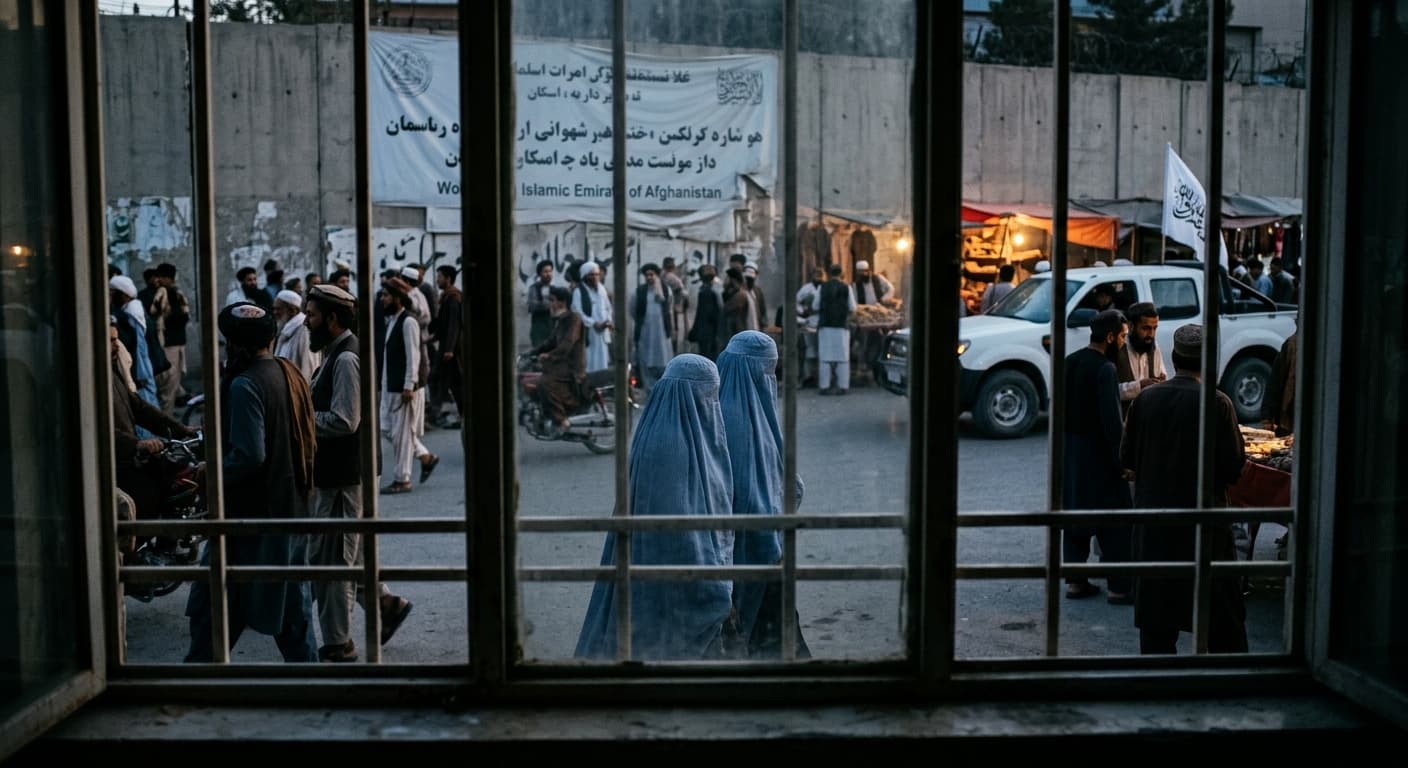
World Normalises Taliban as Afghan Women Eras
UN data shows Afghan women erased from public life as Russia recognises the Taliban, EU hosts officials in Brussels, and ICC warrants for gender persecution go unenforced.
Conflict & Security
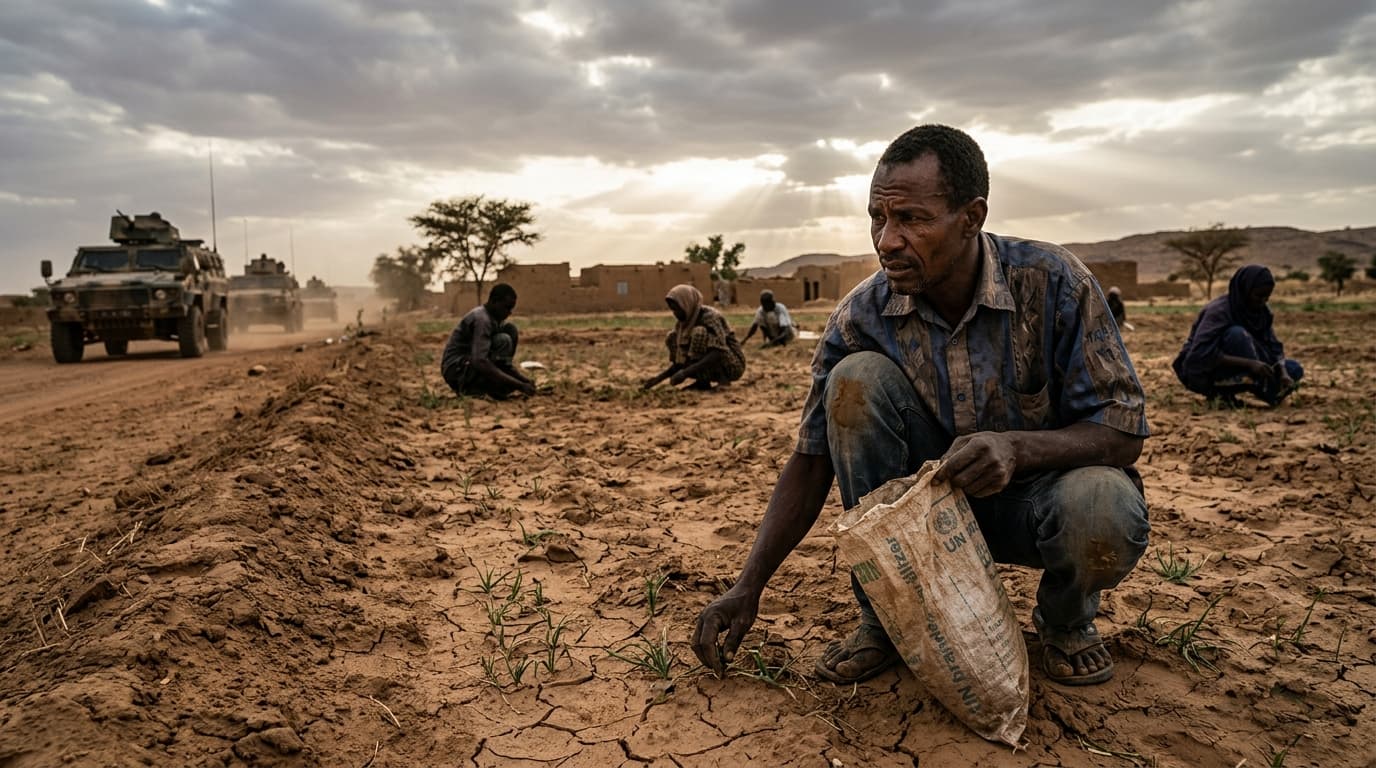
West Africa Food Crisis: Three Shocks in 2026
Conflict, climate extremes, and the Strait of Hormuz closure drive a severe food crisis in West and Central Africa, with fertilizer prices surging 80% and millions displaced.