Raúl Castro Charged in 1996 Plane Shootdown
Political maneuvering in US-Cuba relations heats up again.
Model Diplomat3 min readNorth America
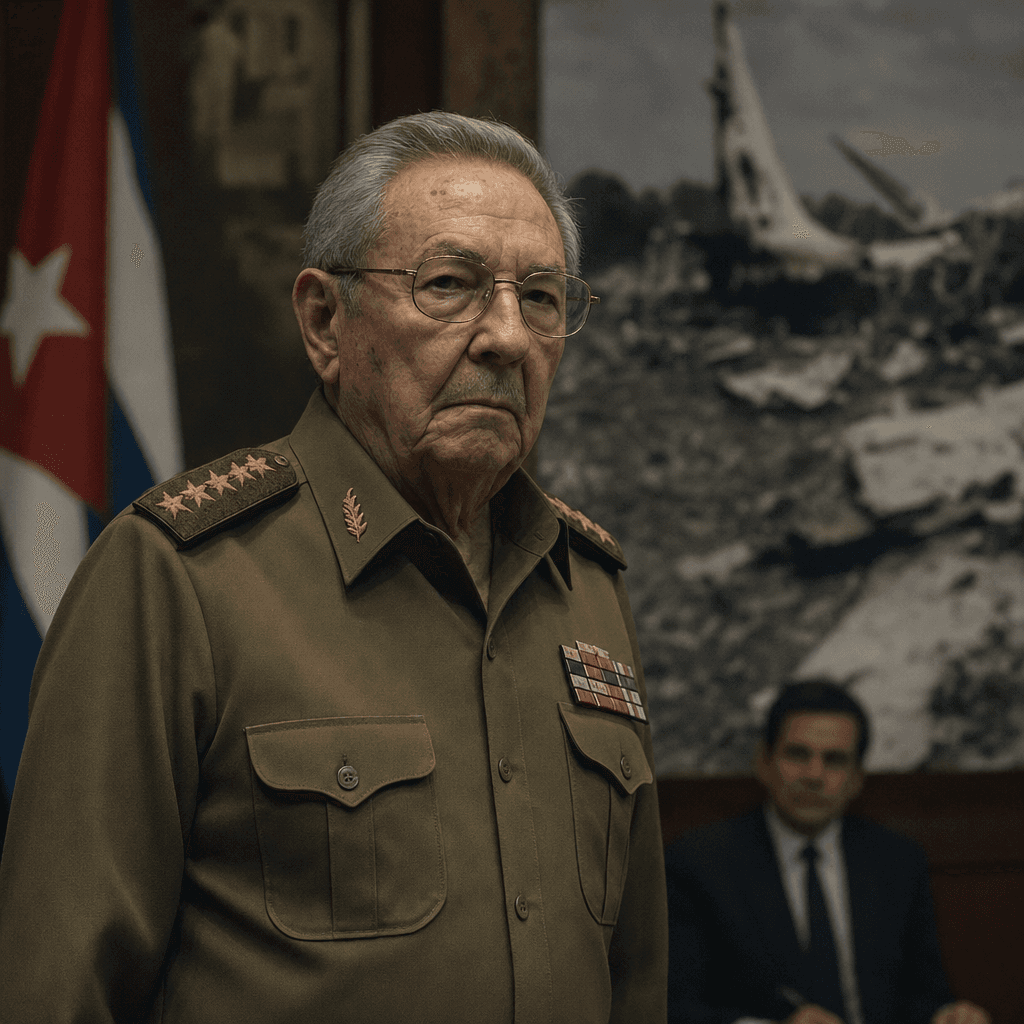
US Charges Raúl Castro Over 1996 Cuba Plane Shootdown
[Washington revives a decades-old case to squeeze Havana, but extradition looks unlikely and the real goal is political pressure.]
The US has charged former Cuban leader Raúl Castro with conspiracy to kill US nationals, murder and destroying aircraft over the 1996 shootdown of two civilian planes operated by the exile group Brothers to the Rescue, according to BBC News Pidgin,
BBC News and
Al Jazeera. The timing and venue matter: Acting Attorney General Todd Blanche announced the case in Miami, the center of Cuban exile politics, while President Miguel Díaz-Canel dismissed it as a “political manoeuvre” with “no legal foundation,” according to
BBC News Pidgin. The message is blunt: Washington is not just reopening an old file; it is using one of Havana’s most sensitive historical episodes as symbolic leverage.
Why Washington is doing this now
This is less about courtroom realism than coercion. Raúl Castro is 94, and Cuba is not going to hand over a former president; the practical value of the indictment lies in keeping the pressure narrative alive, not in securing a quick trial. The Washington Post reported that a federal grand jury in South Florida returned the charges, underlining that the legal move is being staged in the same city where Cuban exile groups have spent decades demanding accountability. For the broader U.S.-Cuba pattern, see
Global Politics.
The beneficiaries are clear. Cuban-American exile organizations get a fresh win, and the Trump administration gets a hard line it can present as justice for the four people killed on 24 February 1996: Armando Alejandre Jr, Carlos Alberto Costa, Mario Manuel de la Peña and Pablo Morales, as BBC News reported. The losers are Havana’s leadership and any Cuban officials trying to keep a narrow diplomatic channel open.
BBC News said US and Cuban representatives, including Raúl Castro’s grandson, have held conversations in recent months; indictments like this make those contacts harder to sustain.
The old shootdown still shapes today’s balance of power
The 1996 incident remains so potent because the facts are politically weaponized on both sides. US and international investigators said the planes were shot down over international waters, while Havana has insisted the aircraft violated Cuban airspace, according to BBC News. That dispute is why the case has never died: each side can frame the other as the aggressor, and each can mobilize its domestic audience on the basis of the same event.
For Washington, the point is to keep Cuba on defense and to reassure opponents of the Castro legacy that the US has not moved on. For Havana, the indictment is useful propaganda: Díaz-Canel can present it as proof that the US still treats Cuba as a target, not a negotiating partner. That narrows room for bargaining and strengthens the regime’s sovereignty narrative. It also puts a brake on any attempt to separate criminal accountability from wider bilateral diplomacy.
What to watch next
The key test is whether the Justice Department follows the indictment with a formal extradition request and whether the White House uses it to justify further Cuba pressure, including sanctions rhetoric or tighter travel enforcement. The near-term political question is simpler: does Havana escalate its public response, or does it try to absorb the blow and keep talks alive? Watch the next few days for any Cuban counterstatement, and watch Miami for whether exile groups use this to demand a broader rollback of US engagement with Cuba.
Discover more

Global Politics
US Seizes Iranian Ship, Tensions Surge
The US seizure of the Iranian ship Touska highlights a shift in control over the Strait of Hormuz, favoring Iran's strategic position.
India
UN Expert Albanese: India Violates Law
UN Rapporteur Francesca Albanese accuses India of breaching international law, spotlighting human rights concerns in Kashmir and prompting diplomatic pushback.

Conflict & Security
Drone Warfare Killing Aid Workers at Unprec
Over 1,000 humanitarian workers killed in three years as cheap armed drones collapse legal protections. Gaza, Sudan, Ukraine, and DRC see deliberate targeting of aid convoys and hospitals with zero prosecutions.

Global
World Normalises Taliban as Afghan Women Eras
UN data shows Afghan women erased from public life as Russia recognises the Taliban, EU hosts officials in Brussels, and ICC warrants for gender persecution go unenforced.