US and Israel's Military Strikes on Iran
Exploring the recent US-Israel attacks on Iran and their implications
Model Diplomat3 min readMiddle East
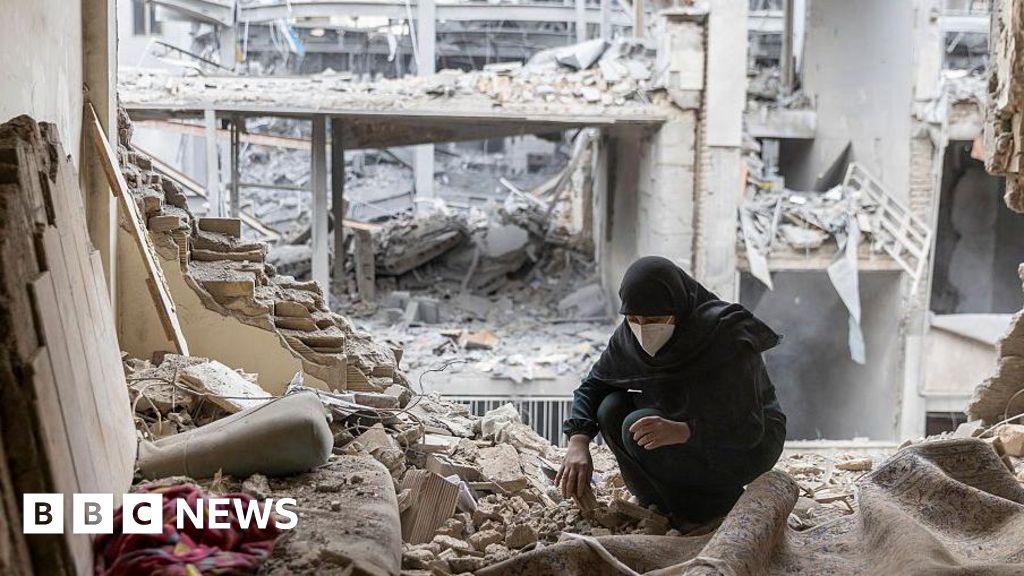
Why US and Israel Attacked Iran and How Long the War Might Last
US and Israel launched coordinated strikes on Iran in early April 2026 amid escalating regional tensions, with the conflict now entering a precarious ceasefire phase.
The United States and Israel carried out a series of attacks targeting Iranian nuclear, petrochemical, and military sites in early April 2026. Over 25 people were reportedly killed, including key leaders in Iran’s Revolutionary Guard and Quds Force. Israel claimed responsibility for strikes on the South Pars gas field and other strategic sites. These actions came amid U.S. President Donald Trump’s increasing threats toward Iran, including ultimatums to reopen the Strait of Hormuz and warnings to hit critical infrastructure such as power plants and bridges.
Iran rejected a proposed 45-day ceasefire, demanding a permanent end to hostilities with guarantees of non-aggression, reflecting Tehran’s hardened stance. However, after the initial wave of violence, a tenuous two-week ceasefire was established, with negotiations slated to start in Pakistan. The ceasefire focuses on reopening the Strait of Hormuz—a vital global oil shipping route—where Iran exercises significant control and had previously threatened closure.
Why the Attacks Happened
The immediate trigger for the US-Israel strikes was Iran’s escalated aggression in the Gulf region, including missile launches toward Israel and Gulf Arab states and threats to disrupt oil flow through the Strait of Hormuz. The US aims to pressure Iran over its nuclear program, regional militias, and its economic leverage through oil exports. Israel’s participation highlights its strategic priority to degrade Iran’s military and nuclear capabilities and thwart its proxies in Lebanon and Syria.
President Trump’s rhetoric also played a crucial role, with his repeated ultimatums setting a hard deadline for Iran to comply or face intensified military consequences. The strikes underscore a shift from indirect confrontation and sanctions to direct military engagement, marking a significant escalation after years of simmering tension.
How Long Could the War Last?
The conflict risks protraction but appears to have entered a volatile pause. The two-week ceasefire suggests both sides see value in temporary de-escalation to avoid full-scale war. Yet, fundamental issues remain unresolved:
- Iran’s nuclear ambitions and missile program
- Security of the Strait of Hormuz
- U.S. and Israeli demands for regime behavior change
- Influence over Lebanon’s Hezbollah and regional proxies
Should negotiations fail, the war could extend for months or years through a mix of proxy clashes, targeted strikes, and asymmetrical warfare. The involvement of Gulf Arab states, further missile attacks, and internal political pressures in all countries could prolong instability. Historically, conflicts between Iran and Israel or the US have persisted over years with intermittent flare-ups.
What to Watch Next
- Follow-up military actions or retaliatory strikes by Iran or its allied militias.
- Progress and sincerity of ceasefire talks in Pakistan.
- Stability and commercial flow through the Strait of Hormuz.
- Responses from Gulf Arab nations, particularly Saudi Arabia and Bahrain.
- Domestic political reactions in Iran, Israel, and the US, which may influence war dynamics.
The US-Israel attacks mark a critical juncture in a complex regional struggle. This crisis combines decades-long strategic rivalry, volatile flashpoints around oil security, and shifting international alignments. Its trajectory will shape Gulf security and global energy markets for the foreseeable future.
For non-US readers or overview on regional dynamics, see Global Politics and
Middle East conflict profiles.
Discover more

International Relations
Pakistan's Key Role in US-Israel-Iran Meddle
Pakistan is seeking to mediate the US-Israel-Iran conflict, balancing high-stakes diplomacy against severe economic pressures and steep regional challenges.

Conflict & Security
Drone Warfare Killing Aid Workers at Unprec
Over 1,000 humanitarian workers killed in three years as cheap armed drones collapse legal protections. Gaza, Sudan, Ukraine, and DRC see deliberate targeting of aid convoys and hospitals with zero prosecutions.
Global
World Normalises Taliban as Afghan Women Eras
UN data shows Afghan women erased from public life as Russia recognises the Taliban, EU hosts officials in Brussels, and ICC warrants for gender persecution go unenforced.
Conflict & Security
West Africa Food Crisis: Three Shocks in 2026
Conflict, climate extremes, and the Strait of Hormuz closure drive a severe food crisis in West and Central Africa, with fertilizer prices surging 80% and millions displaced.