UN Sanctions Pressure on Iran in Hormuz
U.S. and Bahrain push for UN action against Iran's threats.
Model Diplomat2 min readMiddle East
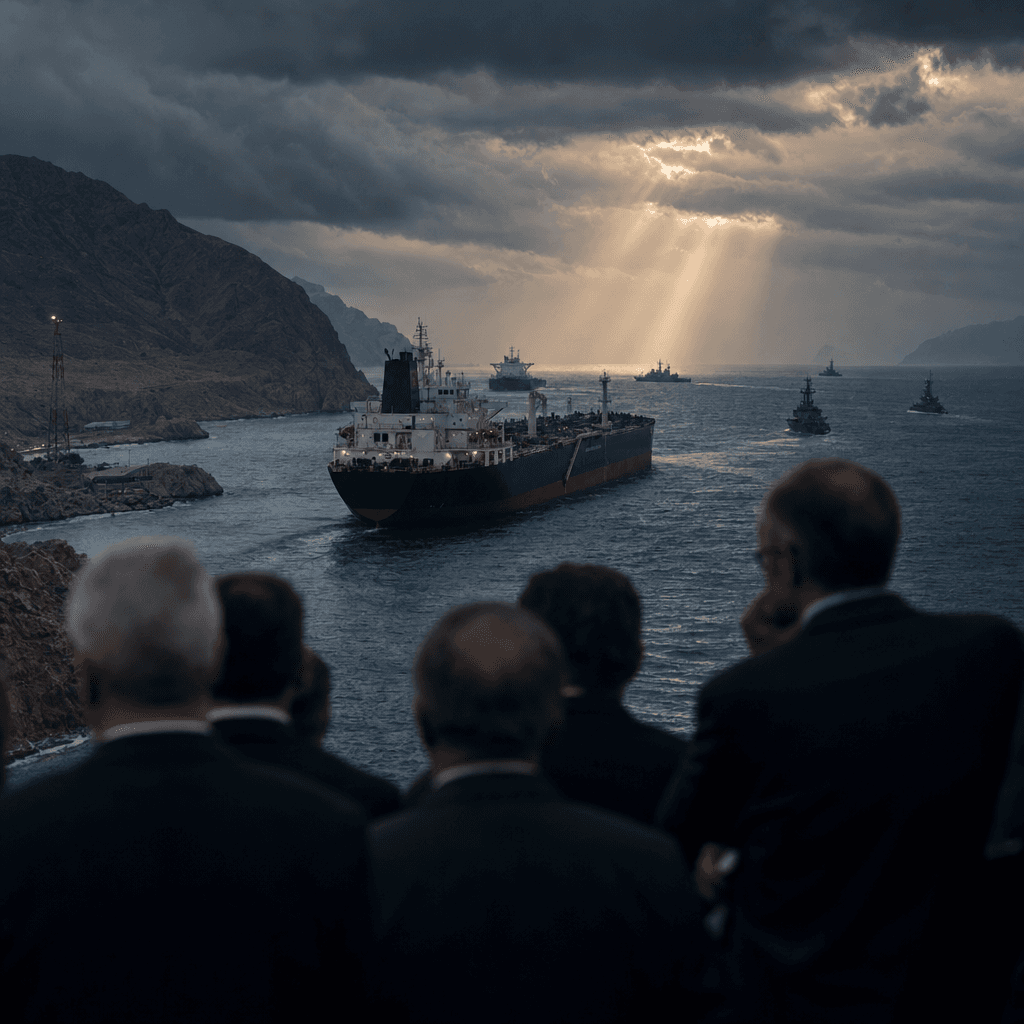
UN Sanctions Threat Raises Pressure on Iran in Hormuz
The U.S. and Bahrain are trying to turn the Security Council into a lever on Tehran; Russia and China can still block the move and keep the strait fight in the diplomatic lane.
The immediate power play is simple: Washington and Bahrain want to raise the cost of any Iranian attempt to choke the Strait of Hormuz, using a U.N. resolution that could open the door to sanctions if Tehran keeps threatening shipping. Reuters reports the draft would condemn Iranian attacks and mining activity, demand access for navigation, and force the secretary-general to report back within 30 days on compliance. Reuters
Reuters
Why this matters
This is less about an immediate vote than about who gets to define legitimacy in the Gulf. If the Council backs the U.S.-Bahrain text, Iran’s disruption of the strait moves from a regional confrontation into a U.N.-defined threat to international peace and security, making sanctions and coalition patrols easier to justify. If Moscow and Beijing block it again, they preserve the line that this is a dispute Washington is internationalizing to cover military pressure. Reuters
Reuters
The stakes are not abstract. The Strait of Hormuz carries about a fifth of global oil and liquefied natural gas flows, so any hint of closure hits Gulf exporters, Asian importers, and shipping insurers first. That is why Bahrain, backed by other Gulf Arab states, is pushing this so hard: it hosts the U.S. Fifth Fleet and has the most to lose from an Iranian maritime chokehold. Reuters
Reuters
For United States, the Council push also serves a second purpose: it helps Washington build a legal and political frame for a wider maritime coalition it is circulating alongside the U.N. draft. Reuters says the U.S. proposal envisions a new Maritime Freedom Construct and coordination with a Franco-British mission, which means the real audience is not only the Council but also allied navies and commercial shippers deciding whether to re-enter the waterway.
Reuters
What to watch next
The next decision point is the Security Council timeline: diplomats told Reuters Washington wants a final draft by May 8 and a vote early next week. If Russia and China veto again, the issue will shift from Council procedure to ad hoc coalition enforcement — a weaker basis for reopening the strait, but one that keeps pressure on Tehran. Reuters
For broader context on how maritime choke points become geopolitical bargaining chips, see Global Politics and
Conflict.
Discover more

Global Politics
US Seizes Iranian Ship, Tensions Surge
The US seizes the Iranian ship Touska near the Strait of Hormuz, escalating tensions and risking wider conflict in the region.

Conflict & Security
Kyauktaw Airstrike: Junta Tactics in Rakhine
Myanmar military airstrike in Kyauktaw kills at least seven civilians, reflecting a desperate strategy against ethnic opposition.
India
Wang Yi's Delhi Trip Signals China's Play
Wang Yi's visit to India highlights China's strategic positioning in BRICS.
Conflict & Security
Trump Signs Iran Ceasefire—But Issues Remain
Trump's Iran ceasefire halts conflict but leaves key issues unresolved.