UN Reports Unprecedented Sexual Violence in
UN report reveals systematic sexual violence in Sudan's civil war.
Model Diplomat3 min readAfrica
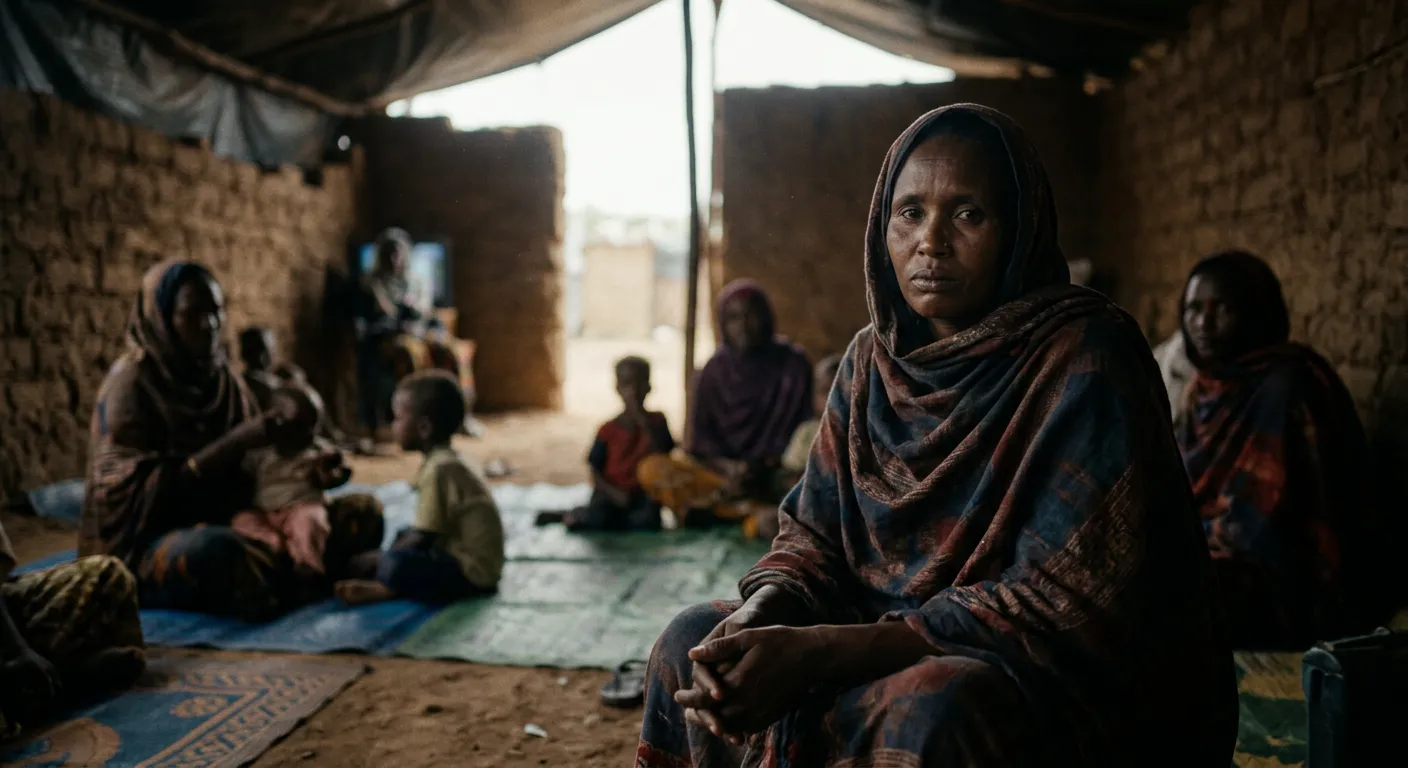
UN Finds 'Unprecedented' Sexual Violence in Sudan War
A UN report documents 546 verified incidents of rape and sexual slavery as systematic weapon of war, with evidence suggesting actual figures are far higher.
A UN Human Rights Office report released this week exposed the scale of sexual violence in Sudan's civil war, finding it is being weaponized at levels the organization calls "unprecedented" in scope and brutality. The office verified 546 incidents of conflict-related sexual violence—including gang rape and sexual slavery—affecting at least 838 victims across the war that began over three years ago. UN High Commissioner Volker Türk stated plainly: this constitutes a war crime and, if systematic, a crime against humanity.
But the verified figures obscure a far grimmer reality. Médecins Sans Frontières, in what it calls the most comprehensive account yet, documented 3,396 survivors who sought treatment at MSF clinics in Darfur between January 2024 and November 2025 alone—a region that represents only part of Sudan's landscape. The UN itself acknowledges that persistent underreporting "has obscured the full scale." The
UN Human Rights Council separately documented 830 victims of sexual violence across 16 of Sudan's 18 states, yet notes "significant obstacles remained to comprehensive documentation." All three counts—546, 3,396, and 830—likely represent the same phenomenon viewed through different institutional lenses and geographies: a weapon deployed systematically across the country.
Who Perpetrates, Who Bleeds
The evidence points to the Rapid Support Forces (RSF) as the primary perpetrator. The BBC report states that most verified incidents were attributed to RSF fighters and allied militias, though Sudan's formal army and its allies also commit sexual violence. In Darfur specifically, where MSF conducted its survey, "the vast majority of perpetrators identified by survivors were [RSF] fighters." The violence carries an ethnic signature: non-Arab communities—the Zaghawa, Massalit, and Fur peoples—are
systematically targeted, suggesting sexual assault serves as a tool of ethnic domination, not merely military advantage.
The geographic spread is striking. MSF found that rape persists even in areas where active combat has moved on—South Darfur civilians report multiple assaults daily during routine tasks like collecting water or firewood. One survivor quoted in the MSF report summed up the climate of terror: "When we go to the farm, this happens. Men, they will cover their heads, and they will rape women. There is no way to stop the rapes." Over 90% of MSF's documented victims in North Darfur were assaulted while fleeing to safety—a double victimization that turns displacement itself into a predatory event.
What the Impunity Means
Neither the RSF nor Sudan's army faces effective accountability. The UN notes "the lack of accountability for these crimes was contributing to impunity and increasing suffering." The RSF leadership has admitted only to "individual violations" during its takeover of el-Fasher, dismissing reports of widespread atrocity as exaggeration. No senior commander has been prosecuted. This signals to rank-and-file fighters that sexual assault carries no cost—a calculation that transforms aberrant cruelty into routine operational practice.
The humanitarian system has effectively abandoned survivors. MSF's data from just two Darfur states came from only those able to reach a clinic—an invisible filter that excludes the displaced, the detained, and the dead. The absence of functioning protection services means most victims receive no care and no justice, cementing perpetrators' sense of impunity.
Next Move
The UN is calling for prosecution and accountability. Without it, sexual violence will persist as Sudan's warring parties calculate that terrorizing civilians yields territorial and ethnic control at zero diplomatic or legal cost. Watch for whether the International Criminal Court, which Sudan has not joined, moves to indict RSF or army leadership on crimes against humanity charges—the only mechanism likely to deter further atrocities.
Discover more
India
UN Expert Albanese: India Violates Law
UN Rapporteur Francesca Albanese accuses India of breaching international law, spotlighting human rights concerns in Kashmir and prompting diplomatic pushback.
US Politics
House Ethics Committee Pushes Sexual Miscond.
The House Ethics Committee has shifted responsibility for sexual harassment settlement records to the Office of Congressional Workplace Rights, complicating disclosure efforts.

Global Politics
US Seizes Iranian Ship, Tensions Surge
The US seizure of the Iranian ship Touska highlights a shift in control over the Strait of Hormuz, favoring Iran's strategic position.

Conflict & Security
Drone Warfare Killing Aid Workers at Unprec
Over 1,000 humanitarian workers killed in three years as cheap armed drones collapse legal protections. Gaza, Sudan, Ukraine, and DRC see deliberate targeting of aid convoys and hospitals with zero prosecutions.