Vanuatu Gains Legal Power from UN ClimateVote
Vanuatu gains political force from ICJ climate opinion vote
Model Diplomat3 min readGlobal
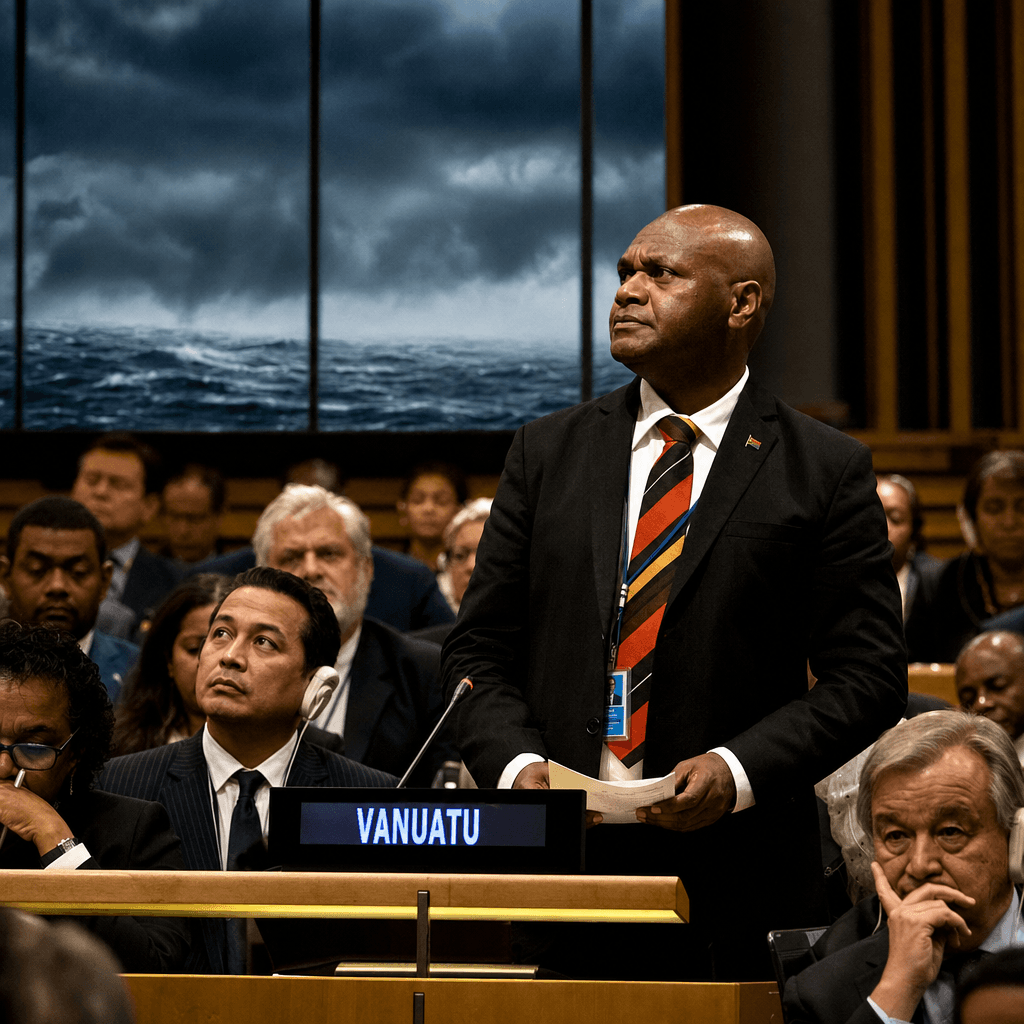
UN climate vote hands Vanuatu a sharper legal weapon
The 141-8 vote does not change the law, but it gives the ICJ climate opinion political force — and leaves the US and its allies on the defensive.
The UN General Assembly has done what Vanuatu wanted: turned the International Court of Justice’s climate opinion into a political reference point. On Wednesday, 141 states backed a resolution supporting the court’s ruling that governments have legal duties to act on climate change, while eight voted no and 28 abstained, according to Al Jazeera and
The Guardian. For Vanuatu and other Pacific states, the win is not about symbolism alone. It is about making climate liability harder for big emitters to wave away.
A legal opinion becomes diplomatic pressure
The ICJ’s advisory opinion, issued last year, said states have a legal obligation to address the “existential threat” of climate change, Al Jazeera reported. The UN resolution does not create new obligations, but it does something more useful in the short term: it normalizes the court’s reasoning as a common UN position.
The Guardian said the final text explicitly frames the UNFCCC and the Paris agreement as the main forums for climate negotiations, while still calling on states to comply with the obligations the court identified.
That matters because legal arguments travel. Advisory opinions are not binding, but judges and litigators already use them. The Guardian reported that the ICJ opinion is already being cited in climate cases around the world. The UN vote gives campaigners, small island states and plaintiff lawyers a stronger claim that the court’s view is not fringe lawfare — it is now backed by a large General Assembly majority.
Who loses leverage
The clearest losers are the states trying to keep climate commitments in the realm of politics, not law. The US voted no, alongside Belarus, Iran, Israel, Liberia, Russia, Saudi Arabia and Yemen, Al Jazeera reported. Washington had already lobbied other governments to drop the resolution, according to
Al Jazeera, and its UN deputy ambassador Tammy Bruce said the text contained “inappropriate political demands relating to fossil fuels,”
The Guardian reported.
That opposition puts the US in the same camp as several fossil-fuel heavyweights and sanctions-era powers. It also shows how hard it is for Washington to reclaim the climate agenda while it has stepped back from the Paris framework and pushed fossil production at home, as The Guardian noted. The abstentions matter too: when major emerging and oil-producing states stay out, they preserve room to argue later that the vote did not bind them politically.
What to watch next
The next test is whether this vote changes behavior outside the UN chamber. Watch three things: whether courts cite the resolution in new climate cases, whether the UN secretariat is asked to report on legal implications, and whether the vote shows up in the run-up to COP31 and other climate talks. If it does, Vanuatu’s strategy will have succeeded in the one way that matters: it will have moved climate responsibility further from debate and closer to default.
Discover more
India
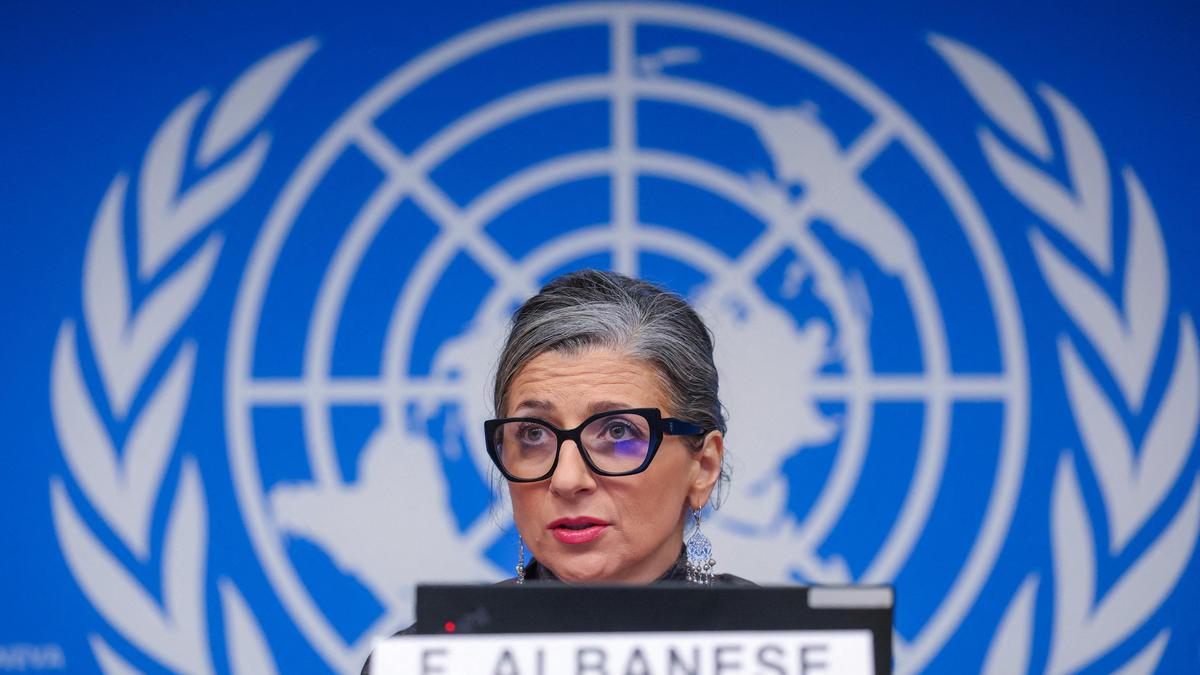
UN Expert Albanese: India Violates Law
UN Rapporteur Francesca Albanese accuses India of breaching international law, spotlighting human rights concerns in Kashmir and prompting diplomatic pushback.
US Politics
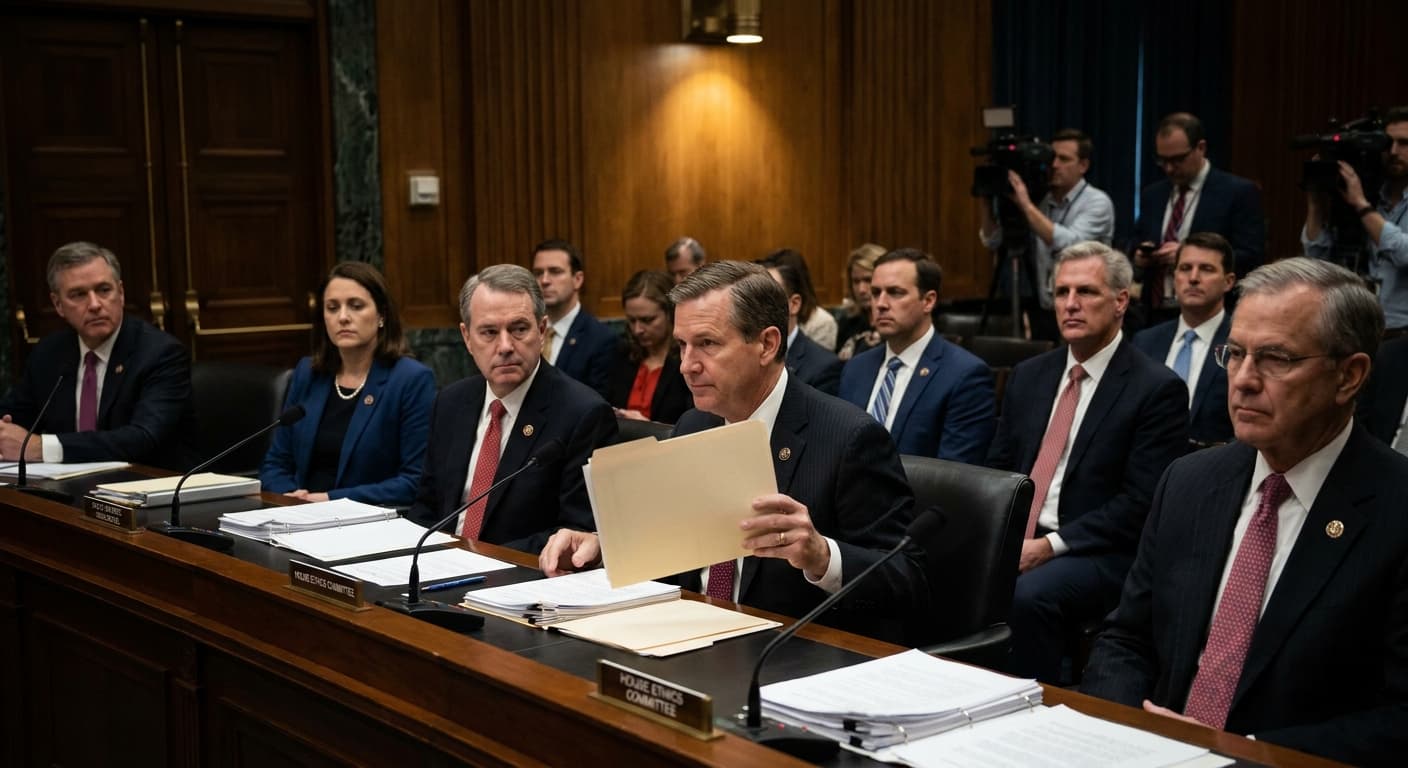
House Ethics Committee Pushes Sexual Miscond.
The House Ethics Committee has shifted responsibility for sexual harassment settlement records to the Office of Congressional Workplace Rights, complicating disclosure efforts.

Economics
Fed's Amex AML order puts correspondent banking on notice
Federal Reserve's Amex AML order requires board-level controls and a 90-day plan; OCC fined the bank $350 million over enterprise-wide deficiencies.
Conflict & Security
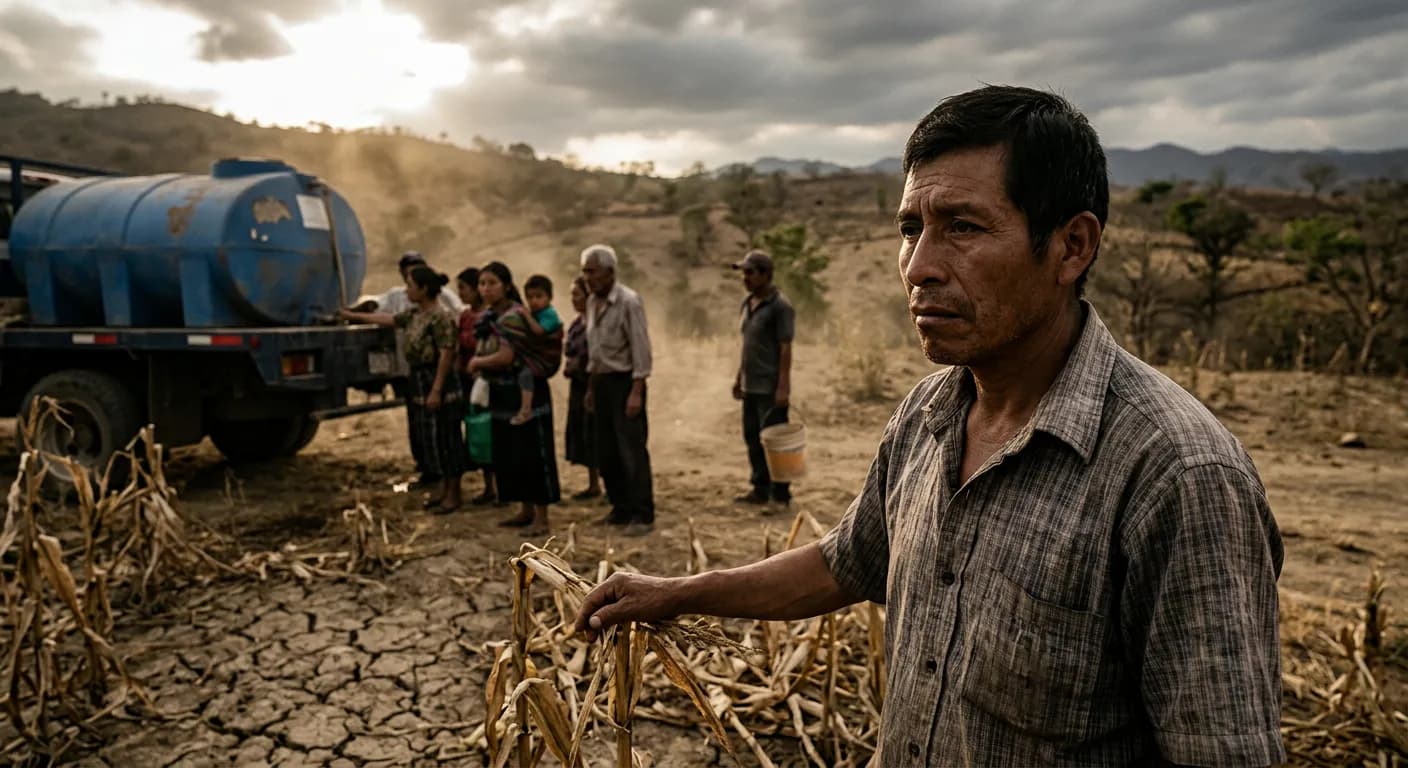
Guatemala: El Niño 2026–27 becomes regional security test
UNICEF: 25.8M children face El Niño risks in Latin America; Guatemala maps 188 municipalities for drought and food insecurity amid regional security test.