UN Alarm Over Gaza's "Yellow Line" Raises
UN warns Israel's actions may breach international law
Model Diplomat3 min readMiddle East
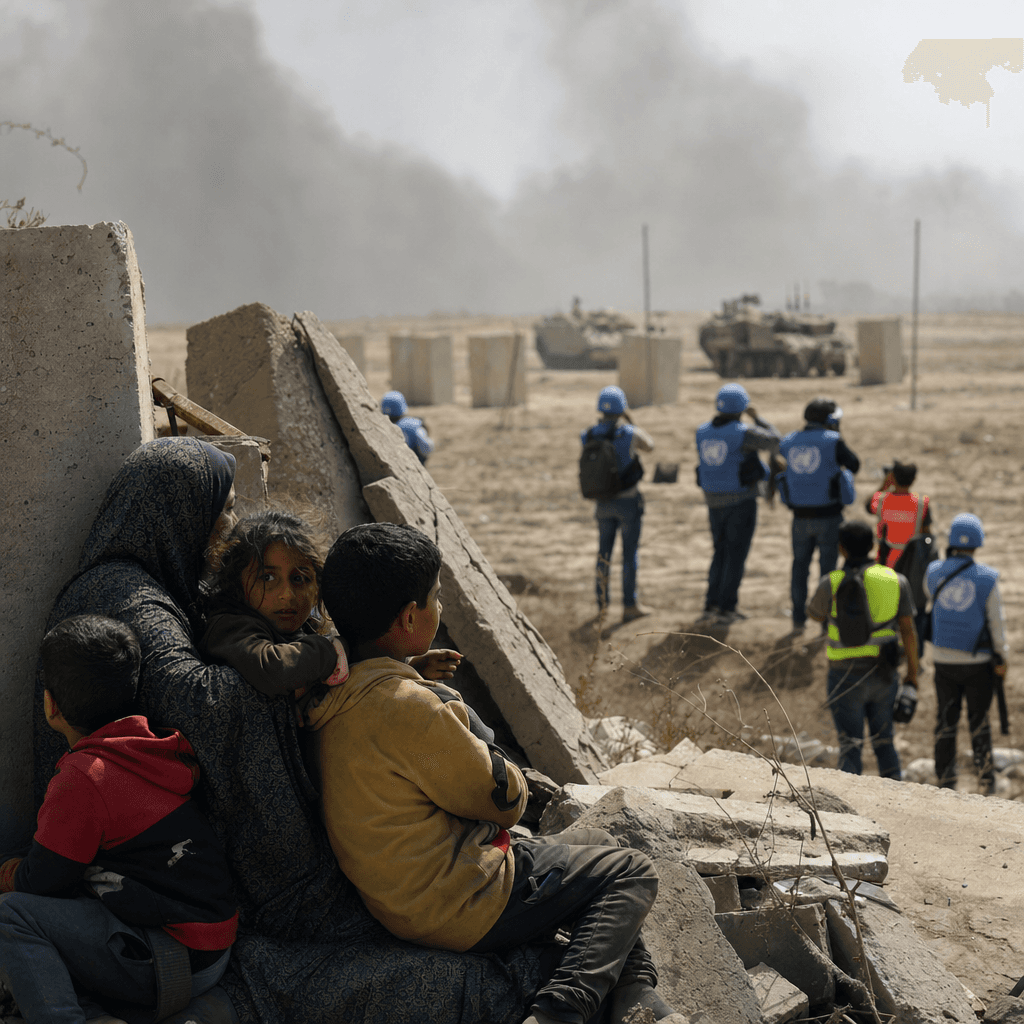
UN Alarm Over Gaza's "Yellow Line" Raises Israel's Risk
UN says killings near Gaza’s armistice line may be unlawful, exposing Israel’s control zone as a legal and diplomatic liability.
Israel holds the leverage in Gaza because it controls the ground: the UN human rights office says a large share of Palestinians killed since the October ceasefire were shot near the so-called yellow line, and warns the pattern may amount to unlawful killings and war crimes (Reuters;
Asharq Al-Awsat). The Israeli military says its fire near the boundary is meant to stop militant threats, but it did not immediately comment on the UN allegation in this report. That leaves Israel trying to do two things at once: preserve a security buffer and avoid the political cost of looking like it is policing civilians by proximity alone.
The line is becoming the story
The immediate issue is not just casualties; it is the rule governing movement inside Gaza. According to the UN data cited by Reuters, 453 Palestinians had been verified killed since the ceasefire through Feb. 5, and 152 were near the boundary (Reuters). The UN official quoted by Reuters said civilians appeared to have been shot while carrying out daily activities or after approaching the line, while a separate Asharq Al-Awsat report said Israeli maps show a widened restricted zone that now covers nearly two-thirds of Gaza (
Asharq Al-Awsat).
That matters because the boundary is not just a military line; it is a political test of who defines civilian space in post-truce Gaza. If Israel can keep shifting the blocks and expanding the restricted area, it effectively converts a ceasefire boundary into a rolling zone of control. That benefits the Israeli military command, which gets depth against infiltration, but it hurts displaced Palestinians who are being compressed into smaller areas and told the safe zone is moving.
Diplomatically, Israel is paying for the buffer
The UN’s language raises the cost for Israel beyond Gaza. Accusations of unlawful killings feed the already familiar argument in Europe and at the UN that Israel is using open-ended “security” logic to justify broad control over civilian areas. That gives outside actors — especially states and institutions that already back humanitarian scrutiny — more ammunition to press for monitoring, clearer demarcation, and tighter rules of engagement (Reuters;
Asharq Al-Awsat).
For Hamas, the report is useful propaganda even if it changes nothing on the ground. For civilians trapped near the yellow line, it confirms the worst-case reading: that the area they were told to avoid is now being enforced with lethal force, even as the physical boundary itself remains ambiguous.
What to watch next
Watch for two decisions. First, whether the UN follows this warning with a formal fact-finding move or a broader legal referral. Second, whether Israel responds by clarifying the boundary and tightening rules of engagement — or by hardening the buffer further. The next pressure point is whether the ceasefire framework can survive the gap between a line on the map and a line enforced by live fire.
Discover more
India
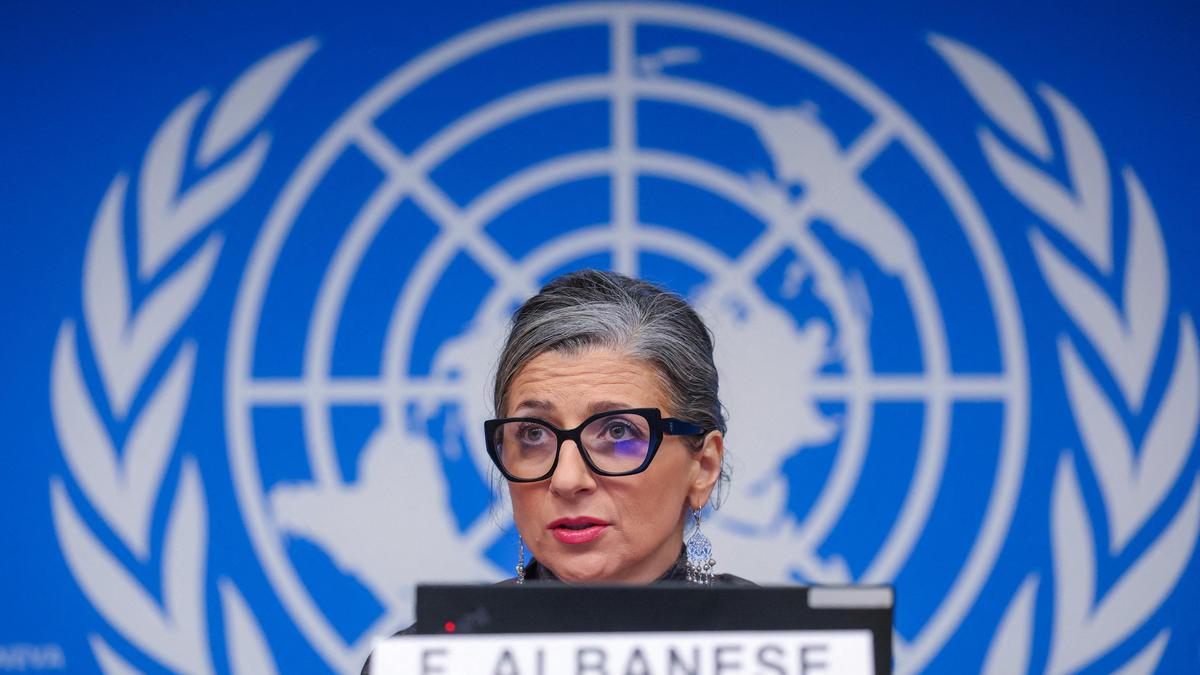
UN Expert Albanese: India Violates Law
UN Rapporteur Francesca Albanese accuses India of breaching international law, spotlighting human rights concerns in Kashmir and prompting diplomatic pushback.

Conflict & Security
Drone Warfare Killing Aid Workers at Unprec
Over 1,000 humanitarian workers killed in three years as cheap armed drones collapse legal protections. Gaza, Sudan, Ukraine, and DRC see deliberate targeting of aid convoys and hospitals with zero prosecutions.
Global
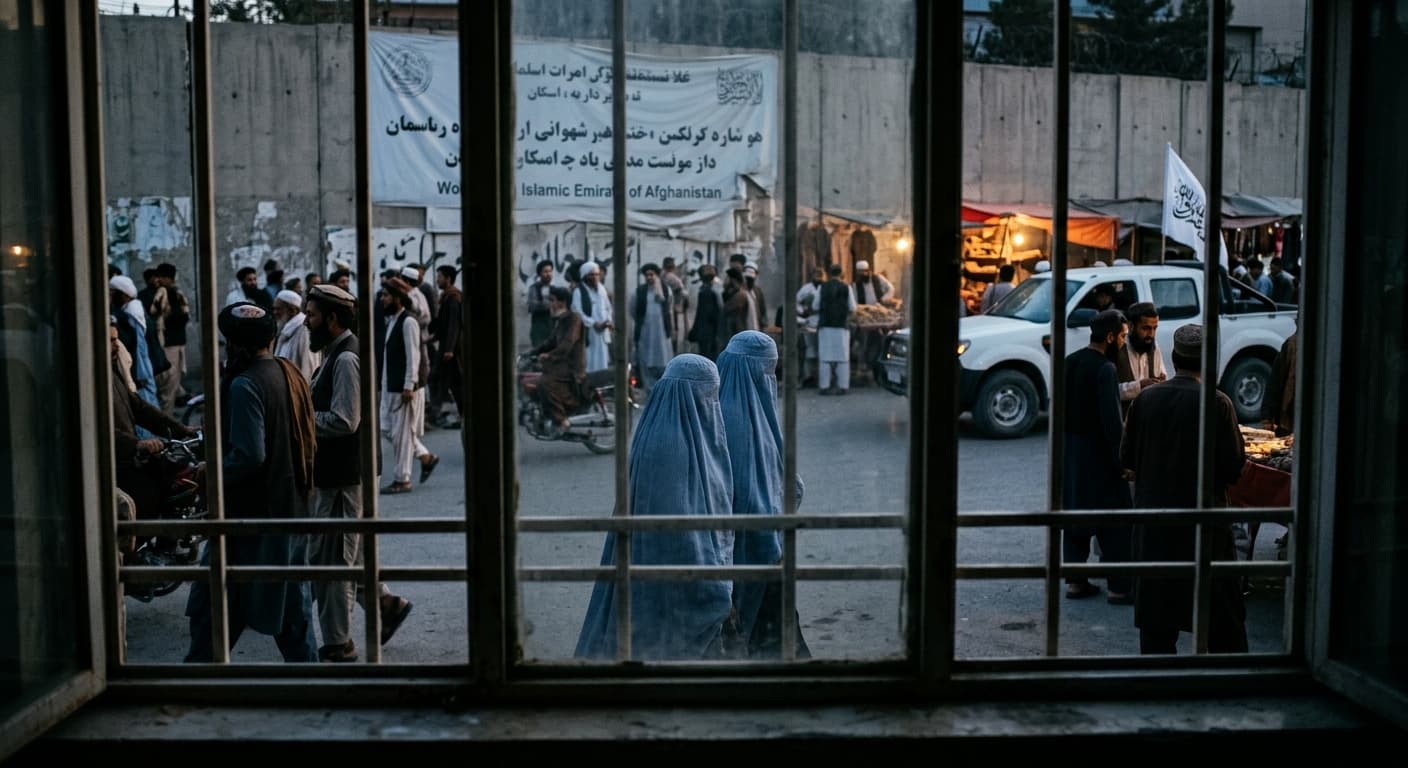
World Normalises Taliban as Afghan Women Eras
UN data shows Afghan women erased from public life as Russia recognises the Taliban, EU hosts officials in Brussels, and ICC warrants for gender persecution go unenforced.
Conflict & Security
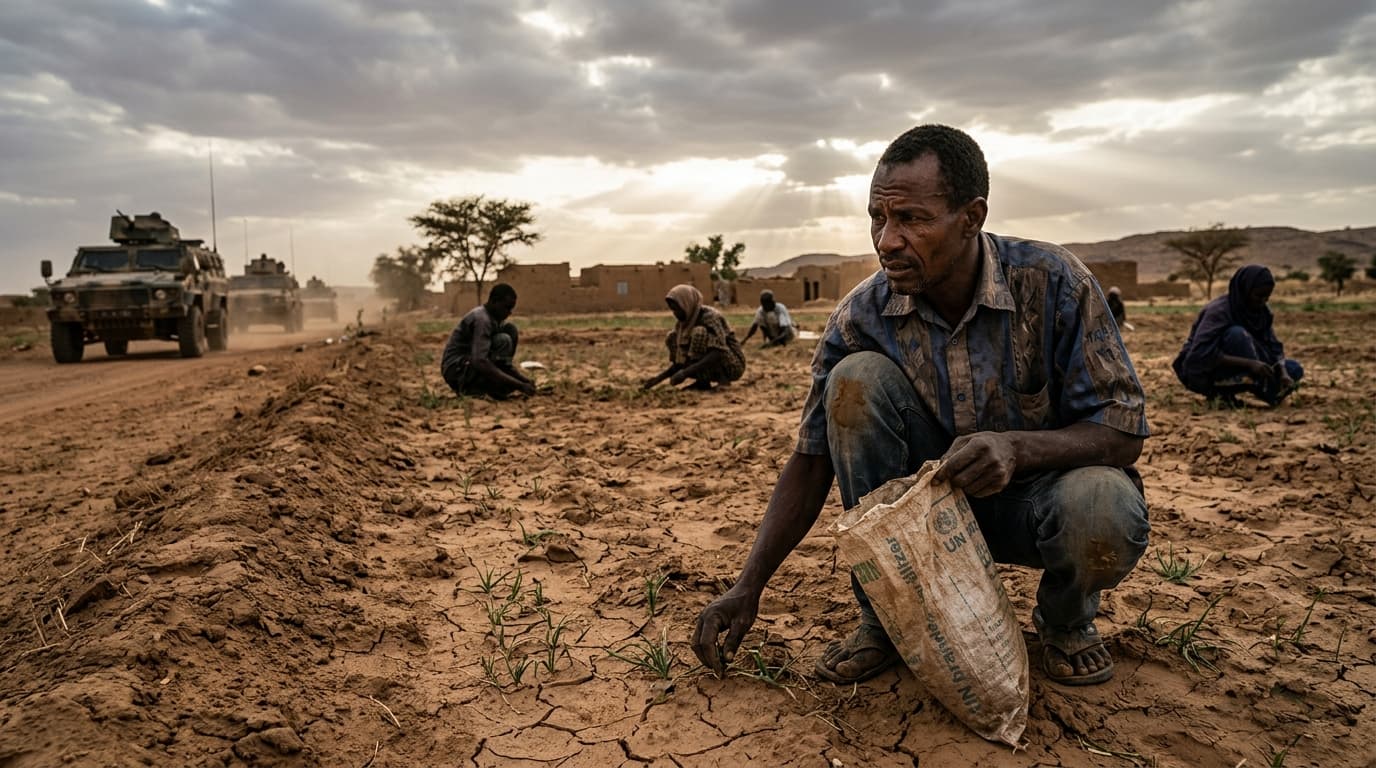
West Africa Food Crisis: Three Shocks in 2026
Conflict, climate extremes, and the Strait of Hormuz closure drive a severe food crisis in West and Central Africa, with fertilizer prices surging 80% and millions displaced.