First-Past-the-Post Crisis for Labour, Tories
Reform UK benefits as Labour and Tories face record lows.
Model Diplomat3 min readEurope
UK First-Past-the-Post Is Now Hurting Labour and the Tories
[Reform’s vote is concentrated, Labour and the Conservatives are split across too many battlegrounds, and first-past-the-post is amplifying the collapse.]
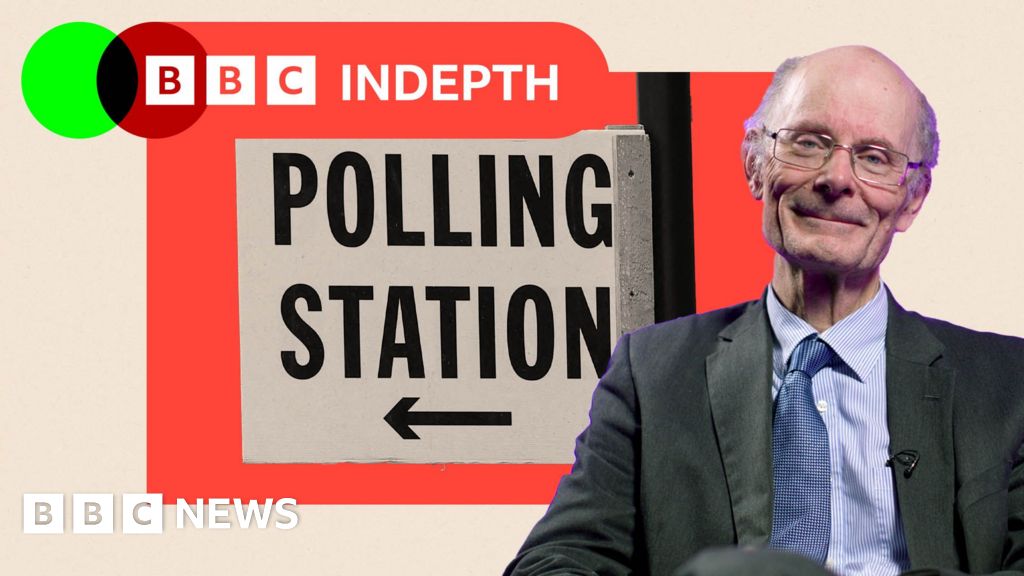
Reform UK is the immediate beneficiary of Britain’s fractured politics: the party is on course to top the English local elections, while Labour and the Conservatives have been hit by record-low combined support, according to the BBC. The power dynamic is simple: Nigel Farage’s party is turning a mid-term protest vote into council control, while Labour and the Tories are being punished for defending too many seats with too little loyalty left in the bank.
Why the system now magnifies the damage
The key point is not just that Labour and the Conservatives are unpopular. It is that first-past-the-post turns their losses into seat collapses once politics fragments into five-way competition. The BBC’s projected national share has Reform on 26%, the Greens on 18%, and Labour and the Conservatives tied on 17% each, a record low combined total for the two old parties (BBC). In that environment, winning a ward no longer requires broad dominance — only a local plurality. That is why Reform can win council majorities on less than half the vote, and why Labour can lose control of places where its vote drop is not catastrophic but simply worse than everyone else’s.
This is the part that matters for Global Politics: Britain’s electoral system is no longer stabilizing the two-party system; it is rewarding the best-organized insurgent. The BBC says Reform and the Greens together have won more council seats than Labour and the Conservatives combined, a sign that smaller parties are no longer just spoilers — they are converting vote share into governing power (
BBC).
Labour’s problem is collapse in its own heartlands
Labour is taking the sharper political hit because its losses are concentrated where it should have been safest. BBC analysis of ward-level data shows Labour’s support fell by 25 points in seats it was defending, versus 12 points in non-defending wards; for the Conservatives, the equivalent drops were 14 and 10 points (BBC). That is why Labour’s losses are so large: the vote is falling hardest where the party is already exposed.
POLITICO’s analysis is blunter: Labour is “hemorrhaging popularity” in every direction, with Reform taking voters in Brexit-heavy areas and the Greens making gains in progressive cities (POLITICO). That leaves Keir Starmer with no easy corrective. He is not losing to one challenger; he is being squeezed by two.
The Tory damage is strategic, not just tactical
The Conservatives are still getting some local wins — Westminster being the clearest example — but they are not recovering a national edge. The BBC notes the Conservatives gained Westminster only because Labour fell harder there, not because Tory support rebounded (BBC). That distinction matters. It means the Tory path back to power is not a simple anti-Labour consolidation; it is now dependent on outlasting Reform’s challenge in the right-wing vote while Labour remains weak.
POLITICO says the old “two-party dominance” is ending, and the practical result is that Conservative and Labour strategists are now fighting for survival in a market that is no longer structured for them (POLITICO). That is the real power shift: the system still favors concentrated support, but the main parties no longer own it.
What to watch next
The next decision point is whether Labour treats these results as a warning or a template. If the party cannot stop the bleed in its northern and Welsh heartlands, the local-election map will become a preview of the next general election — and a hung parliament, not a Labour majority, becomes the baseline expectation. Watch the leadership response over the coming days, and watch whether Reform can keep turning protest into organization before the next national contest.
Discover more
US Politics
Next Generation Republicans
A leaked survey shows 39% of Republicans under 30 do not identify as MAGA, revealing a split in the GOP's future leadership.

Conflict & Security
Drone Warfare Killing Aid Workers at Unprec
Over 1,000 humanitarian workers killed in three years as cheap armed drones collapse legal protections. Gaza, Sudan, Ukraine, and DRC see deliberate targeting of aid convoys and hospitals with zero prosecutions.
Global
World Normalises Taliban as Afghan Women Eras
UN data shows Afghan women erased from public life as Russia recognises the Taliban, EU hosts officials in Brussels, and ICC warrants for gender persecution go unenforced.
Conflict & Security
West Africa Food Crisis: Three Shocks in 2026
Conflict, climate extremes, and the Strait of Hormuz closure drive a severe food crisis in West and Central Africa, with fertilizer prices surging 80% and millions displaced.