Turkey’s $10B Defense Alliance with Indonesia
Exploring Turkey's ambitious trade goals in Southeast Asia
Model Diplomat2 min readSoutheast Asia
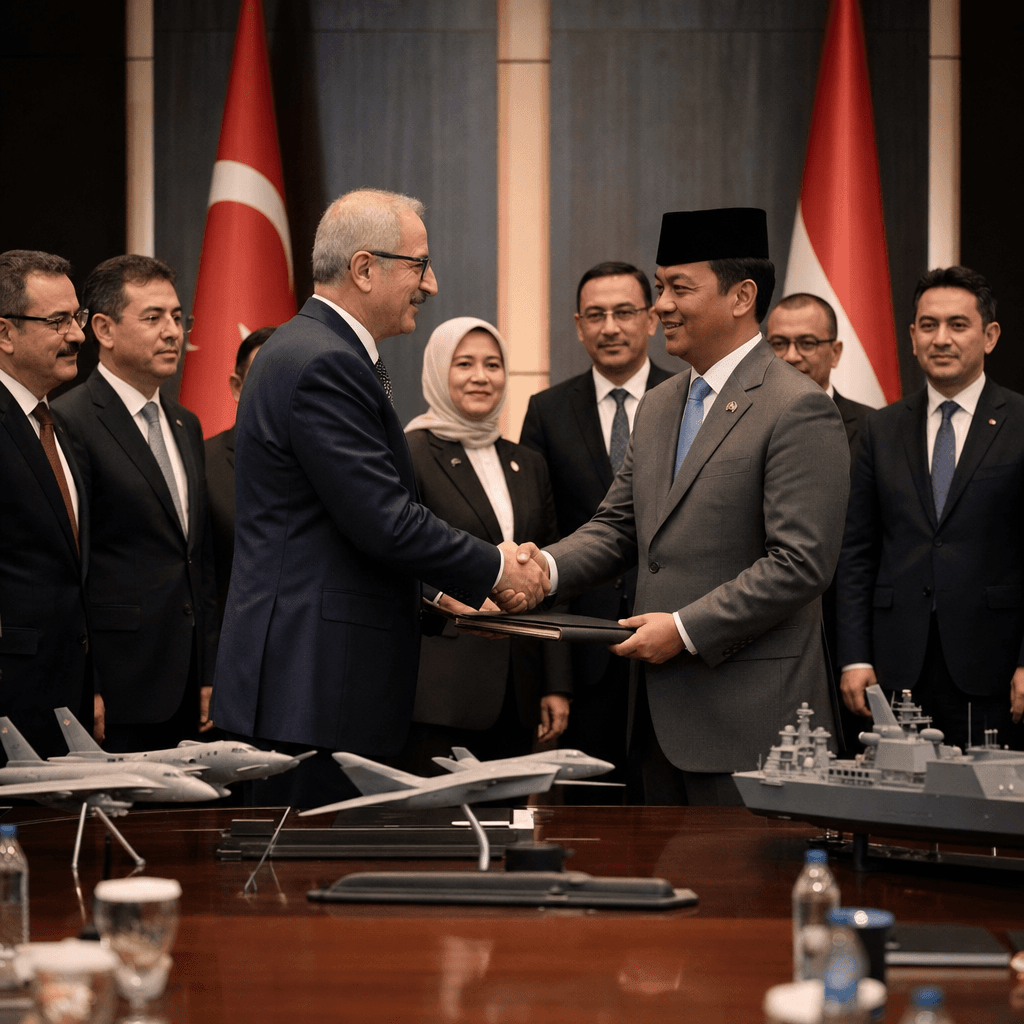
Turkey’s Southeast Asian Gambit: The Stakes of the $10B Indonesia Alliance
Turkish foreign minister’s Jakarta visit underlines an ambitious $10B trade goal, powered by a massive defense alignment facing fiscal and technical limits.
Turkish Foreign Minister Hakan Fidan’s high-level meeting with Indonesian President Prabowo Subianto in Jakarta on June 3, 2026, is a calculated attempt to construct a defense-industrial corridor bypassing Western oversight. Officially, the meeting focused on achieving an ambitious $10 billion bilateral trade target across defense, energy, and transportation Al Jazeera. In practice, the leverage lies in Turkey’s aggressive pitch as a sovereign alternative to traditional arms suppliers, giving Jakarta advanced military hardware with zero political strings attached.
The Strategic Logic of a 'Third Way'
Defense technology forms the bedrock of this strategic convergence, reflecting a broader trend in Global Politics where Middle Powers are seeking high-tech autonomy. Unlike traditional exporters who restrict technology sharing, Turkey is winning partnerships by offering extensive local manufacturing and co-production rights
BBC News Türkçe. The anchor of this geopolitical courtship is Indonesia’s landmark 2025 agreement to acquire 48 KAAN fifth-generation stealth fighters from Turkish Aerospace Industries (TUSAŞ). For Jakarta, the acquisition serves its long-term modernization plans while allowing the archipelago to preserve its non-aligned stance in
International Relations without relying on Washington or European capitals.
The Structural Bottlenecks of Deficits and Engines
Yet, this defense-led diplomatic thrust faces immediate domestic and technical obstacles. Indonesia’s state budget is currently grappling with deficits, prompting domestic economists to question how President Prabowo can finance the multibillion-dollar KAAN acquisition alongside other expensive purchases like the French Rafale jets BBC News Indonesia. Meanwhile, Turkey's export guarantees remain vulnerable to third-party approvals. The initial production of the KAAN fighter depends heavily on American-made F110 engines, leaving delivery schedules subject to US congressional authorization until Turkey can successfully deploy its domestic TF35000 turbofan engine in the 2030s
BBC News Türkçe.
What to Watch Next
The key indicator of whether this relationship can sustain its momentum beyond defense rhetoric is the finalization of a bilateral trade framework. Currently, bilateral trade hovers around a modest $2.5 billion, and Turkey is running a persistent trade deficit with Jakarta BBC News Türkçe. Watch whether the two nations can draft a comprehensive free trade agreement to boost non-military sectors. Without it, the $10 billion objective will remain an unattainable landmark on paper, restricted solely to high-risk defense contracts vulnerable to third-party vetoes.
Discover more

India
India-South Korea $50B Trade Expansion Plan
India and South Korea target $50 billion in bilateral trade by 2030, focusing on industrial cooperation and strategic alignment amid US pressures.

Economics
Fed's Amex AML order puts correspondent banking on notice
Federal Reserve's Amex AML order requires board-level controls and a 90-day plan; OCC fined the bank $350 million over enterprise-wide deficiencies.
Conflict & Security
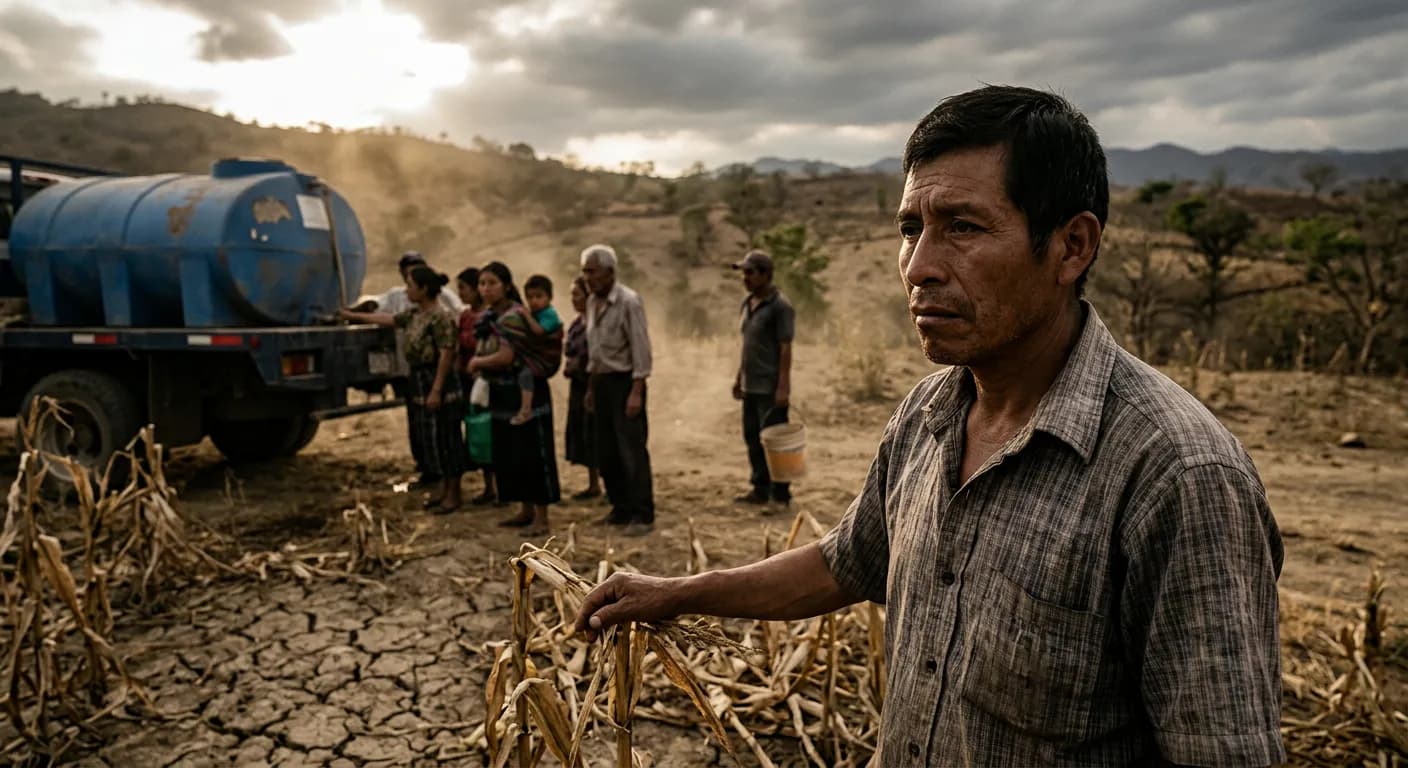
Guatemala: El Niño 2026–27 becomes regional security test
UNICEF: 25.8M children face El Niño risks in Latin America; Guatemala maps 188 municipalities for drought and food insecurity amid regional security test.

Economics
Fed's stress-test overhaul is a capital-smoothing exercise
Federal Reserve finalized stress-test overhaul: two-year averaging for bank capital buffers and public input, expected to halve volatility.