Trump's Ballroom Contract Sparks Legal Issues
Anonymity of donors in ballroom project sparks controversy
Model Diplomat3 min readUnited States
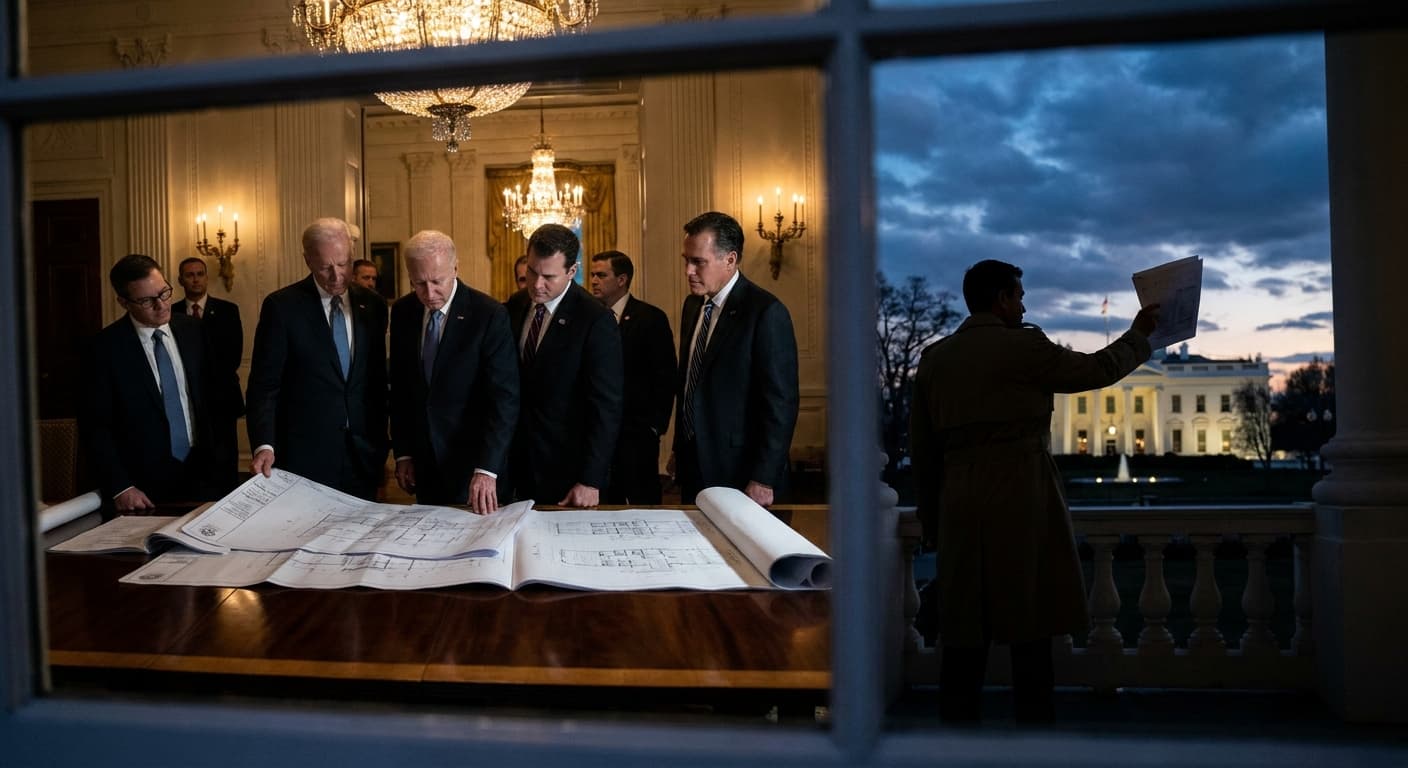
Trump’s White House Ballroom Contract Shields Donors, Skirts Conflict Rules
Trump’s ballroom funding contract shields donor identities and sidesteps ethics rules, raising legal and political questions about presidential authority.
The Trump administration’s contract for the $400 million White House ballroom project legally protects the anonymity of private donors, according to a Washington Post investigation published April 21, 2026. The contract governing the project’s funding explicitly shields donor identities, circumventing usual transparency and conflict-of-interest rules. This comes amid a federal judge’s recent halt on construction, ruling the President lacks statutory authority to authorize major White House alterations funded by private donations without Congress The Washington Post.
Why the Ballroom Contract Matters
The White House East Wing ballroom, planned as a 90,000-square-foot addition symbolizing a presidential legacy, is financed entirely through private donations—an unprecedented approach for a federal property. Key donors reportedly include major corporate players like Apple and Coinbase, contributing millions The Washington Post, October 2025.
But the contract’s donor anonymity provision fuels concerns that it may shield contributors from accountability, especially as many are politically connected and potentially seeking influence. By sidestepping transparency, the contract strays from norms designed to prevent conflicts of interest or undue political leverage in White House affairs.
The April 2026 court injunction directly challenges the Trump administration’s claimed unilateral authority to greenlight the project without statutory approval, citing separation of powers. Federal Judge Richard Leon’s ruling underscored that no existing law grants the president power to approve extensive White House renovations financed by private funds without Congress’s explicit consent The Washington Post, March 2026.
This legal setback exposes the contract’s vulnerabilities and puts in question the Trump administration’s governance framework around the project. The opaque donor arrangements and circumvention of congressional oversight illustrate broader issues about executive power limits and accountability in decisions with major cultural, symbolic, and financial ramifications.
What to Watch Next
The key question now is whether Congress will intervene legislatively to authorize the ballroom project or demand greater transparency around its donors and contracts. The Trump administration may appeal the ruling, but the controversy has already spotlighted risks around private financing of public presidential property.
Watch for potential follow-on investigations from ethics watchdogs and Congress, particularly probing the contract’s donor-shielding provisions and whether they violate federal ethics laws or the spirit of conflict-of-interest safeguards. How the White House manages donor influence in a politically charged environment will influence norms on presidential legacies and private-public funding’s limits.
This case also sets an important precedent on limits of executive authority over White House property alterations, adding fresh momentum for clearer statutory frameworks. The stakes extend beyond Trump’s term, shaping future administrations’ ability to fund and manage renovations of America’s symbolic seat of power.
For more on U.S. political oversight and executive authority, see our United States profile and the broader context on
Global Politics.
Sources:
- "Trump's ballroom contract shielded donors, skirted conflict rules," The Washington Post, April 21, 2026.
https://www.washingtonpost.com/politics/2026/04/21/trump-ballroom-donor-deal/
- "Judge halts construction on Trump’s White House ballroom," The Washington Post, March 31, 2026.
- "Trump hosts wealthy donors to his ballroom project at the White House," The Washington Post, October 15, 2025.
Discover more
US Politics
House Ethics Committee Pushes Sexual Miscond.
The House Ethics Committee has shifted responsibility for sexual harassment settlement records to the Office of Congressional Workplace Rights, complicating disclosure efforts.

US Politics
SNAP Food Assistance Faces Legal Challenges
In 2026, SNAP faces stricter eligibility rules and mounting legal challenges, threatening food assistance for the millions of Americans who rely on the program.
Global Politics
Trump's Conflicting Messages on Iran War
Trump's mixed messages on Iran reflect a strategy of audience management, benefiting Tehran amid a complex geopolitical landscape.

Conflict & Security
Drone Warfare Killing Aid Workers at Unprec
Over 1,000 humanitarian workers killed in three years as cheap armed drones collapse legal protections. Gaza, Sudan, Ukraine, and DRC see deliberate targeting of aid convoys and hospitals with zero prosecutions.

