Trump’s White House Ballroom Becomes a $1B Senate Fight
Senate Republicans want to tuck $1 billion for White House security into an immigration bill; Democrats call it a taxpayer bailout for Trump’s ballroom.
Republicans have turned President Donald Trump’s White House ballroom into a legislative test of raw Senate power. The party has inserted $1 billion in Secret Service funding into a reconciliation package for immigration enforcement, a move Democrats say they will try to kill even though they cannot stop it on their own ( The Washington Post/AP,
  CNN).
CNN).
Republicans hold the numbers, Democrats hold the message
The leverage is with Senate Republicans. They have a 53-seat majority and are using reconciliation, which lets them advance budget bills with a simple majority instead of 60 votes, according to CBS News ( CBS News). That means Democrats can complain, force votes, and slow the process, but they need Republican defections to actually block it.
That is why Chuck Schumer’s caucus is aiming for procedural friction rather than a clean veto. In a letter reported by AP, Schumer said Democrats will push the Senate parliamentarian to strike the ballroom money and force Republicans into repeated votes on the record (The Washington Post/AP). The point is not just policy; it is political exposure. Democrats want vulnerable Republicans to choose between funding ICE and subsidizing a Trump project many voters already dislike, as CBS noted (CBS News).
The White House is trying to recast luxury as security
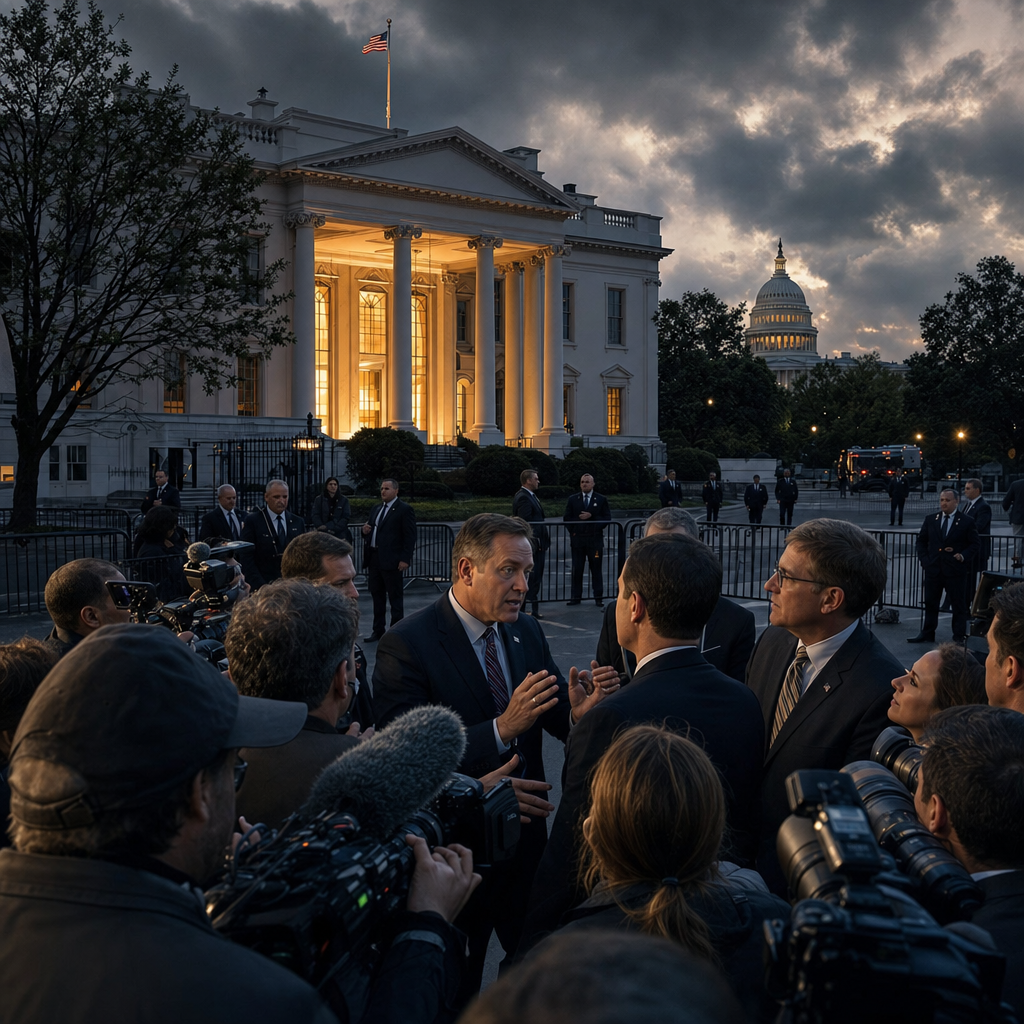
The administration is arguing that this is not a ballroom subsidy at all, but a security response. White House spokesman Davis Ingle said Congress had “rightly recognized the need for these funds” after the recent attack at the White House Correspondents’ Dinner, and that the money would help “fully and completely harden the White House complex” (CNN). The legislation itself says the money can be used for “above-ground and below-ground security features” but not for non-security elements (CNN).
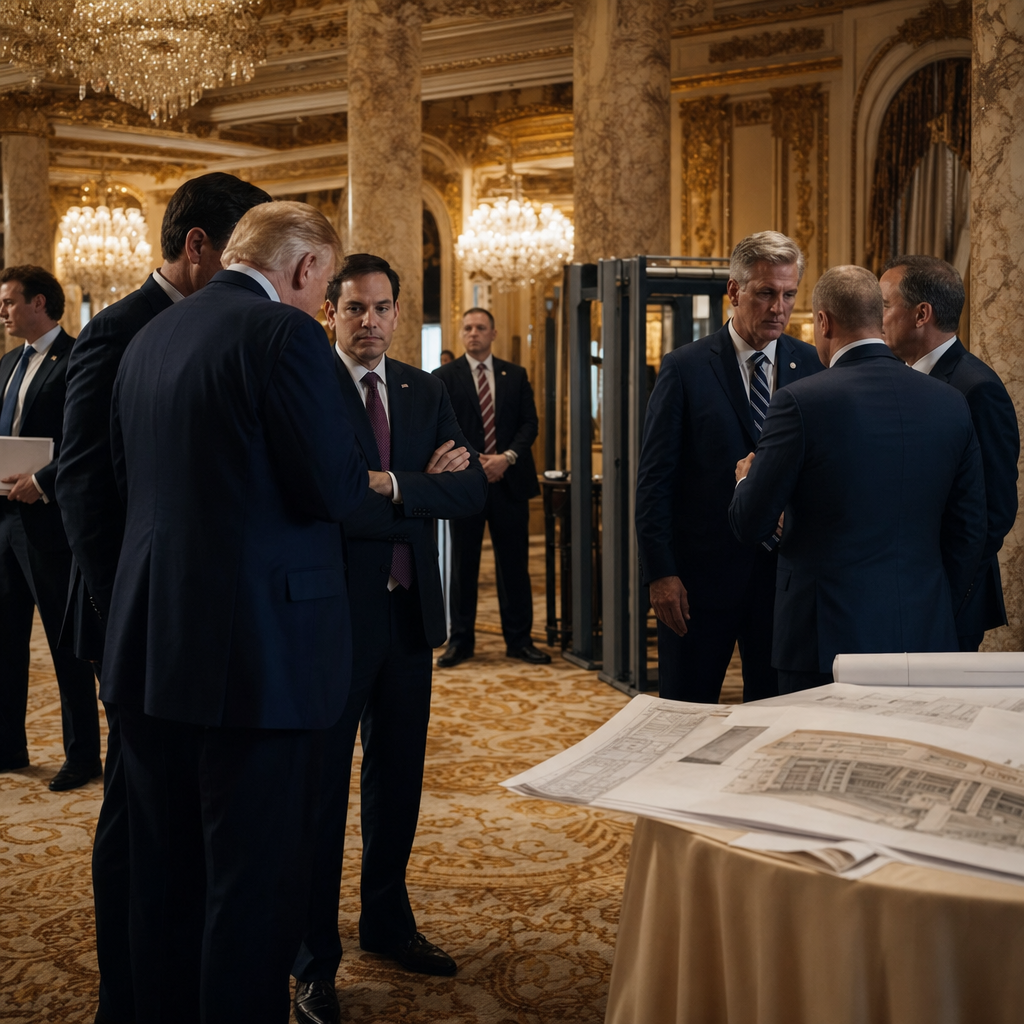
That distinction is doing the political work. Trump has said the ballroom would be privately funded at about $400 million, but the Senate proposal would direct public money to the surrounding security architecture (The Washington Post/AP). In practice, that lets Republicans claim they are paying for protection, not construction, while giving the project a federal backstop.
What to watch next
The next decision point is procedural: whether the parliamentarian blesses the $1 billion line and whether enough Republicans get cold feet. CNN reported that the Senate committees are expected to move the package after recess, with Trump pressing for a June 1 deadline (CNN). Separately, the ballroom itself remains under legal challenge, and CBS reported the next court hearing is set for June 5 (CBS News).
The bigger signal is simpler: Trump is forcing Republicans to choose between party-line loyalty and the optics of underwriting a White House project in  United States politics. That choice will shape how much room he has to turn executive ambition into congressional cash.
*
United States politics. That choice will shape how much room he has to turn executive ambition into congressional cash.
*