Arizona Judge Grants Humanitarian Release for
A judge's ruling reunites a family amid immigration tensions.
Model Diplomat3 min readNorth America

Arizona Judge Forces Immigration to Yield to a Dying Teen
[A Tucson judge ordered expedited removal, turning a hard-line border case into a humanitarian release — and an optics problem for DHS.]
DHS lost control of the narrative here. A federal judge in Tucson ordered the release of Isidoro González Avilés and Norma Anabel Ramírez Amaya on Thursday, and the couple reunited with their 18-year-old son Kevin — who has terminal colon cancer — in Durango, Mexico, by Saturday evening, according to CNN and NBC Chicago. The parents had been detained after crossing near Douglas, Arizona, on April 14; DHS said they were denied B1/B2 visas because of prior unlawful presence, while the family argued they had been trying to see their dying son one last time (CNN,
NBC Chicago).
The leverage belonged to the court, not the family
The parents had almost no leverage inside the immigration system. DHS could point to prior removals and a rejected visa request; the family could point to a medical emergency and public pressure. The decisive move came only when a federal judge intervened and ordered an expedited outcome, turning what looked like a routine enforcement case into a discretionary humanitarian release (CNN,
ABC7 Chicago).
That matters because it exposes where immigration power actually sits in the system: not just at the border, but in the judge’s room and the consular pipeline. Once the case became a public symbol, the Mexican consulate in Tucson and Chicago got involved, and the parents were moved toward Nogales for repatriation, according to ABC7. For U.S. Politics, this is a reminder that even rigid enforcement can be bent by judicial discretion when the facts are bad enough.
Why the case landed so hard
Kevin González is not a policy abstraction. CNN reported that he is a U.S. citizen born in Chicago, now 18, with stage 4 colon cancer; NBC Chicago said doctors had concluded treatment was no longer an option. His parents’ detention, then the judge’s order, then the reunion in Mexico created a clean visual contrast: a sick teenager, a border arrest, and a system forced to choose between enforcement and compassion (CNN,
NBC Chicago).
That is why lawmakers seized on it. Rep. Delia Ramirez said rejecting visas and detaining the parents “did not protect our communities,” framing the case as evidence that detention is politically punitive but operationally meaningless (CNN). The family benefits from reunification; DHS loses on optics; immigration hard-liners lose the clean enforcement story they prefer.
What to watch next
The immediate question is whether this becomes a one-off humanitarian exception or a template. Watch the next DHS and court decision point: whether the agency narrows the use of detention in similar medical cases, and whether federal judges in border districts start treating “expedited removal” as the pressure valve in high-profile family separations (CNN,
ABC7 Chicago). For the broader fight, this belongs in the larger debate over how far immigration enforcement can go before it starts looking, and functioning, like cruelty for its own sake.
Discover more

US Politics
SNAP Food Assistance Faces Legal Challenges
In 2026, SNAP faces stricter eligibility rules and mounting legal challenges, threatening food assistance for the millions of Americans who rely on the program.

Conflict & Security
Drone Warfare Killing Aid Workers at Unprec
Over 1,000 humanitarian workers killed in three years as cheap armed drones collapse legal protections. Gaza, Sudan, Ukraine, and DRC see deliberate targeting of aid convoys and hospitals with zero prosecutions.
Global
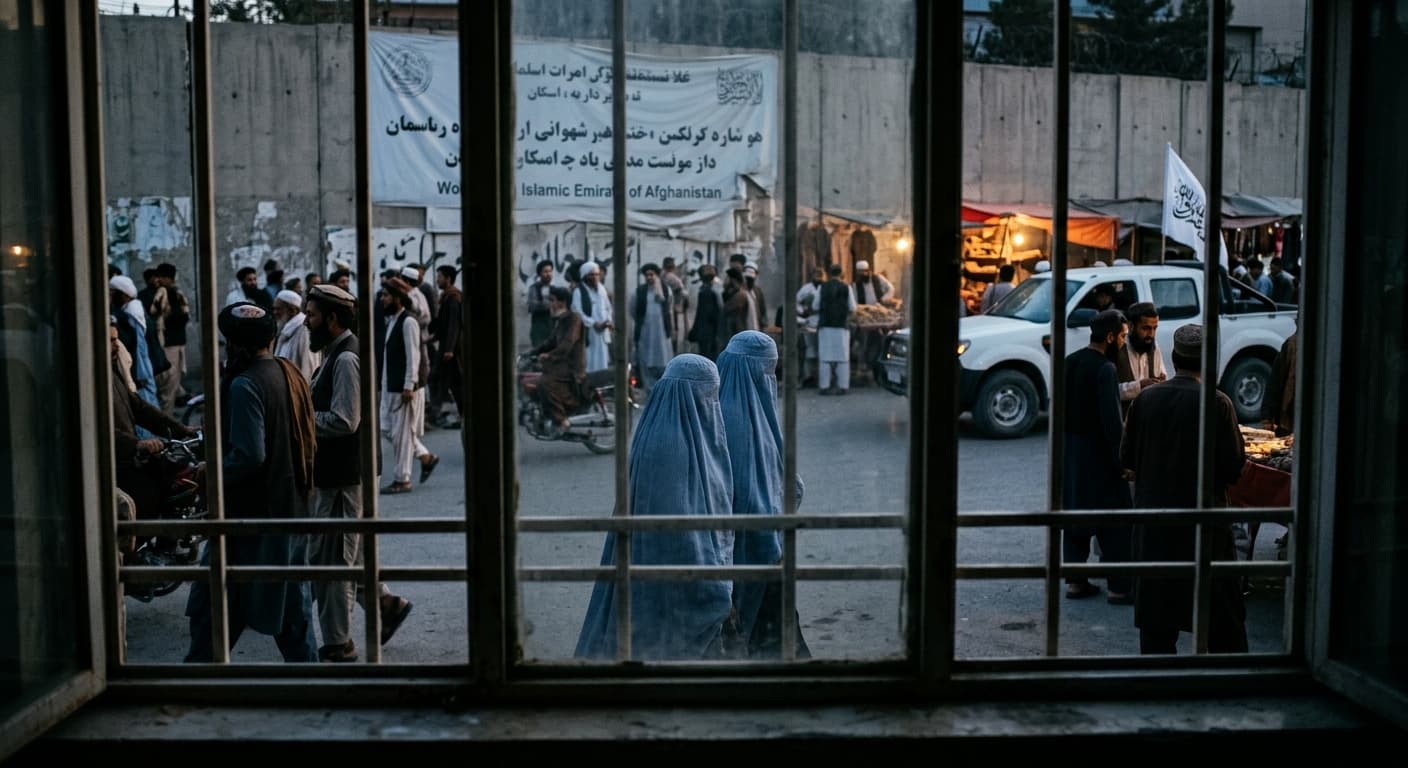
World Normalises Taliban as Afghan Women Eras
UN data shows Afghan women erased from public life as Russia recognises the Taliban, EU hosts officials in Brussels, and ICC warrants for gender persecution go unenforced.
Conflict & Security
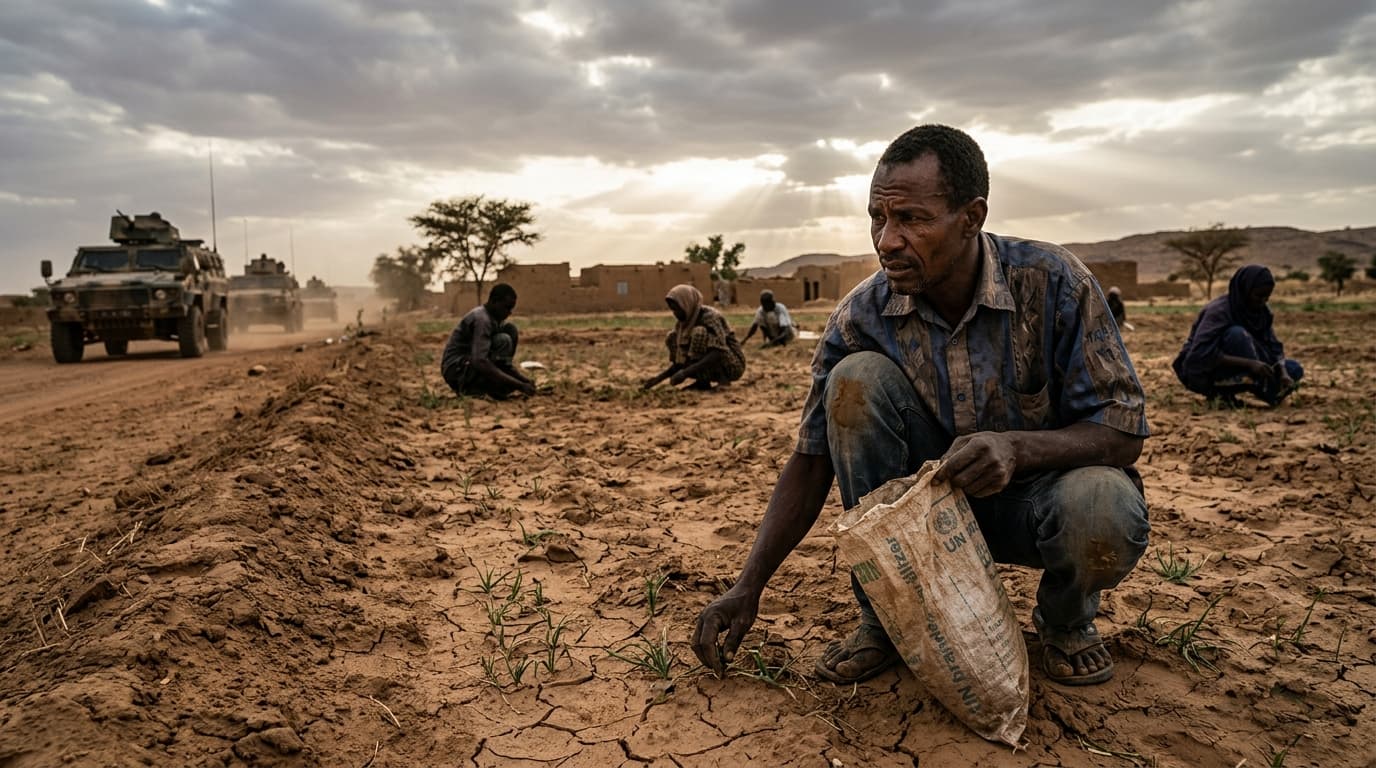
West Africa Food Crisis: Three Shocks in 2026
Conflict, climate extremes, and the Strait of Hormuz closure drive a severe food crisis in West and Central Africa, with fertilizer prices surging 80% and millions displaced.