Trump's Uranium Demand Strains Iran Talks
Collision over uranium stockpile complicates ceasefire negotiations.
Model Diplomat3 min readMiddle East
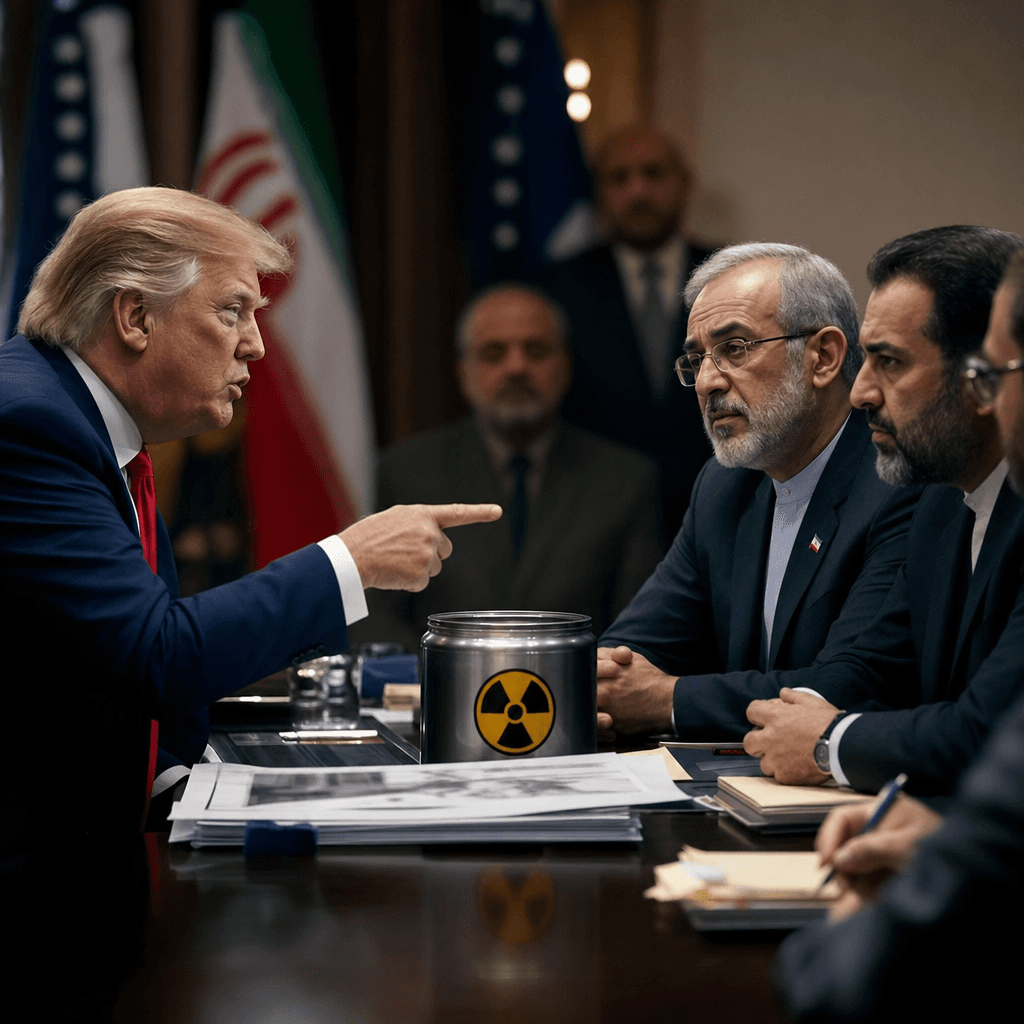
Trump’s Uranium Demand Puts Iran Talks Under Stress
Washington wants Iran’s enriched uranium out of the country; Tehran says no. That collision now defines the ceasefire talks and the risk of renewed strikes.
Trump has made the leverage plain: the United States will not let Iran keep its stockpile of highly enriched uranium, he said Thursday, while Reuters reported that Israeli officials say he has assured them the material will be sent out of Iran and made part of any deal (Al Jazeera,
Reuters). Tehran’s answer, according to Reuters, is that the supreme leader has ordered the stockpile to remain in the country. That is the real bargaining line: Washington wants a physical proof of rollback; Iran wants to avoid looking like it surrendered under fire.
The stockpile is now the deal
The amount at issue is not symbolic. Al Jazeera, citing Reuters, says Iran is believed to hold about 440kg of uranium enriched to 60 percent, and that this remains the central sticking point in negotiations (Al Jazeera). Reuters reports that Iranian officials fear sending it abroad would leave the country more vulnerable to future US and Israeli strikes, which is why they are resisting any transfer even to a third country (
Reuters).
That tells you what this phase of diplomacy is really about. The US is not just asking for a technical nuclear fix; it is trying to lock in a strategic concession that can be sold at home and to Israel as reversible capability being removed. Iran is trying to keep the option value of enrichment while avoiding the political cost of visible capitulation. In Global Politics, this is the classic problem of ceasefire bargaining: each side wants the other to give up leverage first.
Tehran is defending sovereignty, not just material
Iranian Foreign Minister Abbas Araghchi has already signaled the sequencing problem. Al Jazeera reports that he said nuclear issues would be “postponed” to later stages, while Pakistan continues to shuttle proposals between the two sides (Al Jazeera,
Al Jazeera). That is a direct challenge to Washington, which wants the uranium question settled up front.
This is where the domestic politics matter. Trump can frame the demand as nonproliferation and toughness. Netanyahu benefits too: Reuters says Israeli officials are watching closely because the uranium issue is being treated as a core test of whether Iran’s nuclear program is actually being rolled back (Reuters). Iran’s hardliners also benefit from the standoff, because a refusal to ship the stockpile out is easier to defend at home than a concession extracted under threat.
What to watch next
The next pressure point is Pakistan’s mediation track. Al Jazeera reports that Pakistan’s army chief Asim Munir is expected in Tehran as Islamabad tries to keep the channel alive (Al Jazeera). Watch for two signals: whether Tehran sends a revised written response that moves on uranium, and whether Trump backs off the “take it or strike again” line or hardens it into a deadline. If the uranium issue stays frozen, the talks stay frozen with it.
Discover more
Global
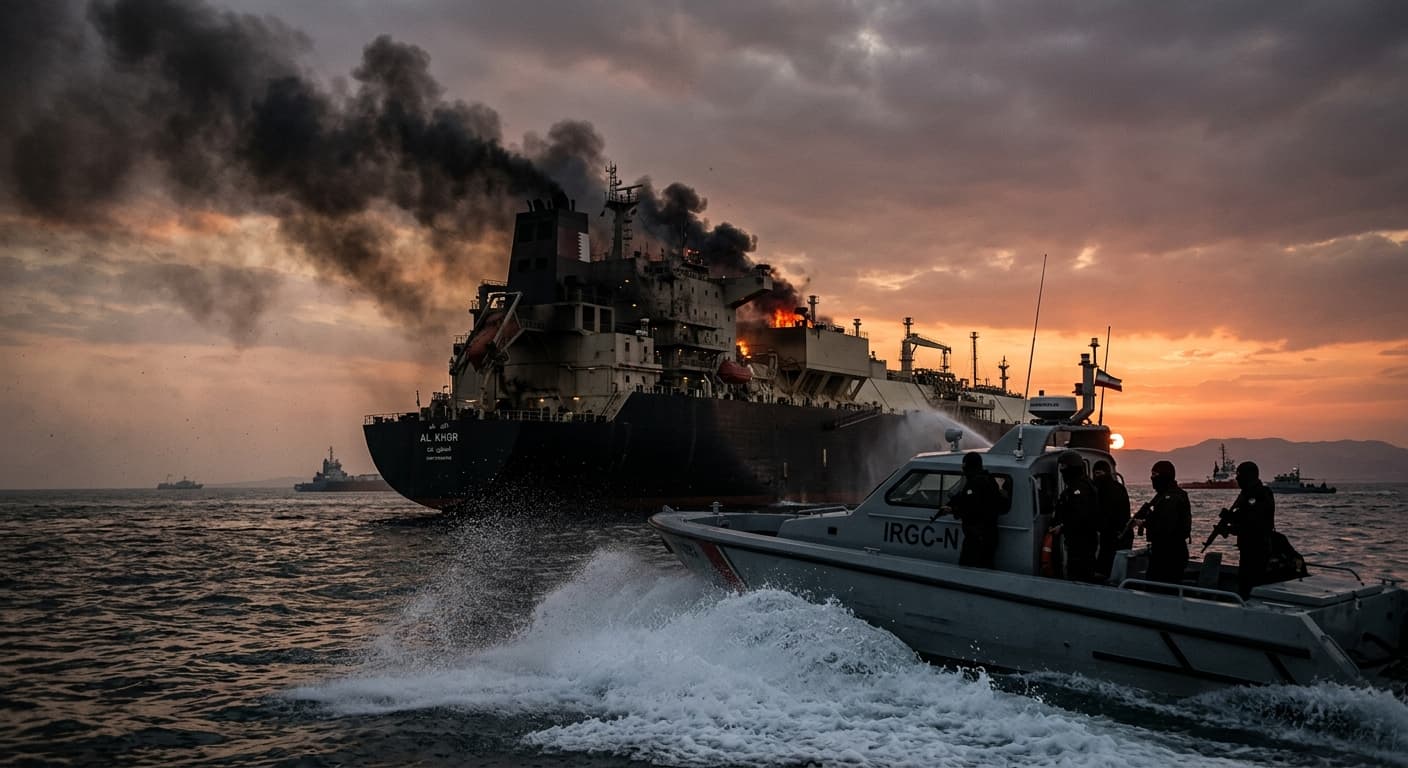
Qatari Tanker Strike Exposes Hormuz Tensions
A Qatari tanker was struck off Oman, revealing the fragility of the Hormuz ceasefire and Iran's influence over maritime security.
Global
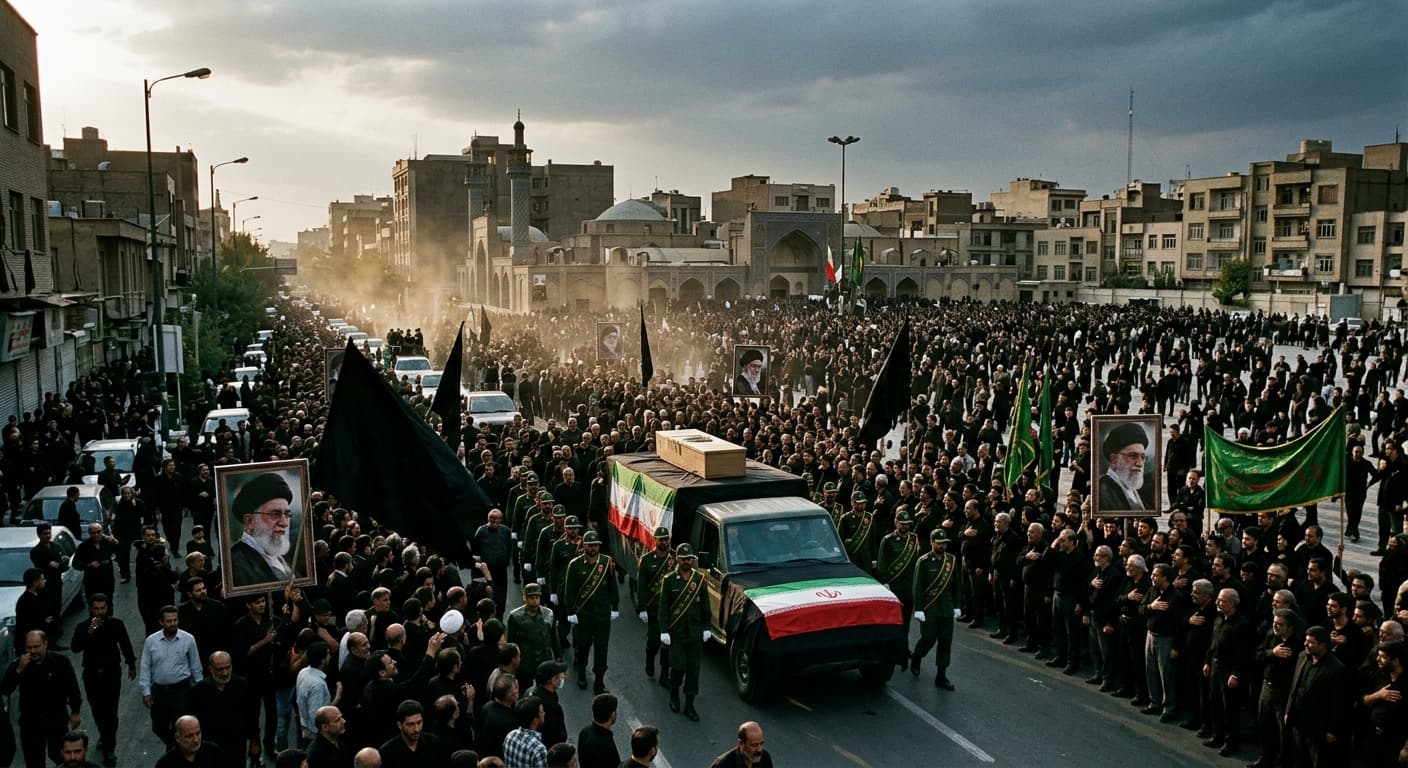
Khamenei's Funeral Signals Iran's Decline
The funeral of Ayatollah Khamenei highlights Iran's diminished influence in the Gulf, with regional powers now dictating terms.
Global
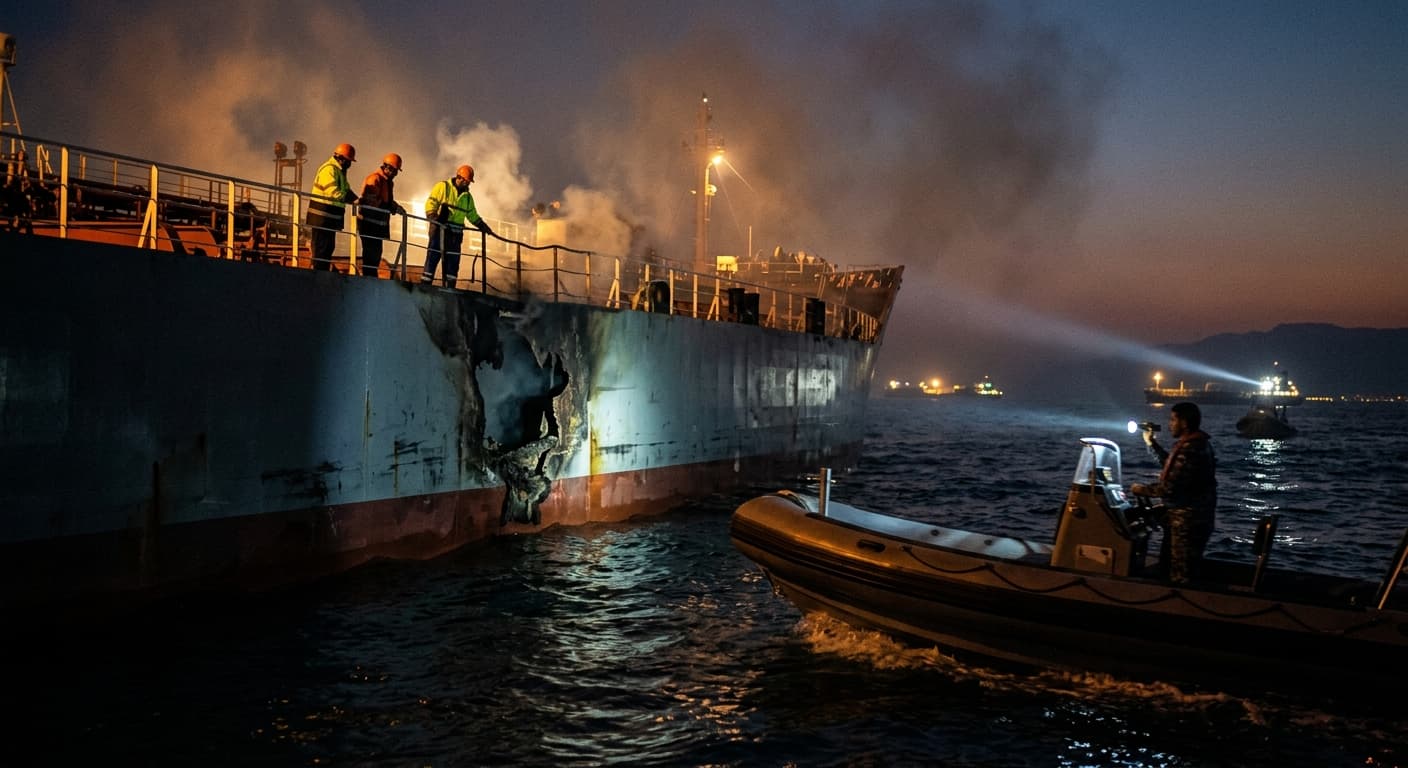
Iran's Hormuz Missile Strikes: A Toll Booth
Iran's missile attack on a Qatari-linked tanker highlights Tehran's strategy to control the Strait of Hormuz, impacting Gulf states and maritime law.
Tech Policy
Iran's Cavern Manticore Targets Israel's IT
Cavern Manticore, an Iran-linked hacking group, targets Israeli IT vendors, prompting a shift in Israel's cybersecurity policy and legislative efforts.