Trump's Military Rhetoric on Cuba
Analyzing Trump's threats and their impact on Cuba's economy.
Model Diplomat3 min readNorth America
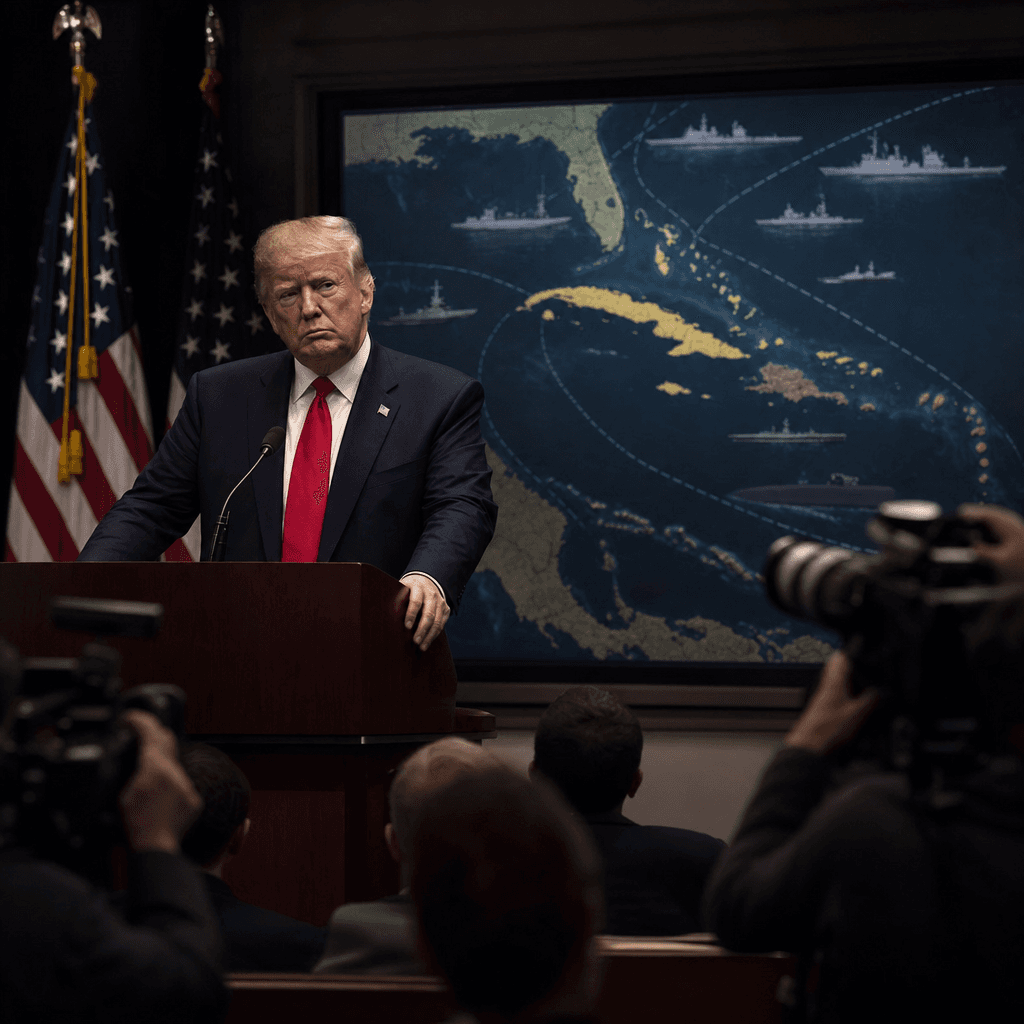
Trump escalates on Cuba, but pressure still does the work
Washington is using military rhetoric to raise the price for Havana, even as the evidence still points to sanctions and coercion, not invasion.
Donald Trump said the U.S. would “take control” of Cuba “almost immediately” and even floated sending a major warship close to the island, prompting Miguel Díaz-Canel to denounce the threat as a “dangerous” and unprecedented escalation, according to LA NACION and
El Universal. The Cuban president framed the remarks as a possible military aggression and called on the international community — and Americans themselves — to judge whether Washington would allow “such a drastic criminal act,” said
El Universal.
The leverage is obvious
Trump holds the stronger hand. Cuba is already under severe economic strain, and Washington has been tightening the screws through sanctions and energy pressure. On May 1, Trump signed a new executive order expanding sanctions on Cuban officials, entities and affiliates tied to security organs, corruption and rights abuses, with possible secondary sanctions for those doing business with them, according to Folha. That same reporting says Cuba has faced fuel shortages, food rationing and repeated nationwide blackouts, which makes the island especially vulnerable to even modest U.S. pressure.
This is why the military language matters even if no invasion is underway: it is a coercive signal aimed at deepening Cuba’s sense of isolation and raising the internal political cost for Díaz-Canel’s government. For Washington, especially the Trump circle and Cuban-American hardliners in Florida, the target is not an amphibious landing but regime stress. For Havana, the point is survival — and rallying domestic nationalism around sovereignty.
Why the rhetoric is more dangerous than it looks
The public threat cuts against the more cautious operational picture. In March, a senior U.S. commander told Congress that U.S. forces were not preparing to invade or rehearse a takeover of Cuba, while acknowledging plans to defend Guantánamo and respond to any mass-migration crisis, according to CNN. That matters: it suggests the administration is using maximum rhetoric while the military posture remains defensive and focused on containment.
So the immediate winner is Washington’s domestic political flank — particularly the line around Cuba and Venezuela — not a strategy for actual war. The loser is Cuba’s already fragile economy, because rhetoric from the White House can chill investment, complicate fuel supplies and reinforce the sense that sanctions will only get tighter. That is also why Díaz-Canel is speaking in existential terms: Havana wants to frame the dispute as anti-imperial resistance, not a bilateral policy fight. See Conflict & Security for more on how coercion campaigns work in practice.
What to watch next
The next decision point is whether Trump turns this from threat into a formal new measure — more sanctions, maritime posturing, or explicit travel and financial restrictions — and whether the Pentagon or State Department tries to walk back the language. Watch for any U.S. clarification in the next 24–48 hours, and for Havana’s response through the UN and regional allies. If there is a real escalation, it will show up first in sanctions enforcement, naval signaling, and migration pressure — not in an invasion order.
Discover more
Global Politics
Trump's Conflicting Messages on Iran War
Trump's mixed messages on Iran reflect a strategy of audience management, benefiting Tehran amid a complex geopolitical landscape.

Conflict & Security
Drone Warfare Killing Aid Workers at Unprec
Over 1,000 humanitarian workers killed in three years as cheap armed drones collapse legal protections. Gaza, Sudan, Ukraine, and DRC see deliberate targeting of aid convoys and hospitals with zero prosecutions.

Global
World Normalises Taliban as Afghan Women Eras
UN data shows Afghan women erased from public life as Russia recognises the Taliban, EU hosts officials in Brussels, and ICC warrants for gender persecution go unenforced.
Conflict & Security
West Africa Food Crisis: Three Shocks in 2026
Conflict, climate extremes, and the Strait of Hormuz closure drive a severe food crisis in West and Central Africa, with fertilizer prices surging 80% and millions displaced.