Trump's Iran Deal Amid Beirut Airstrike
Diplomacy meets military pressure amid regional tensions.
Model Diplomat3 min readMiddle East
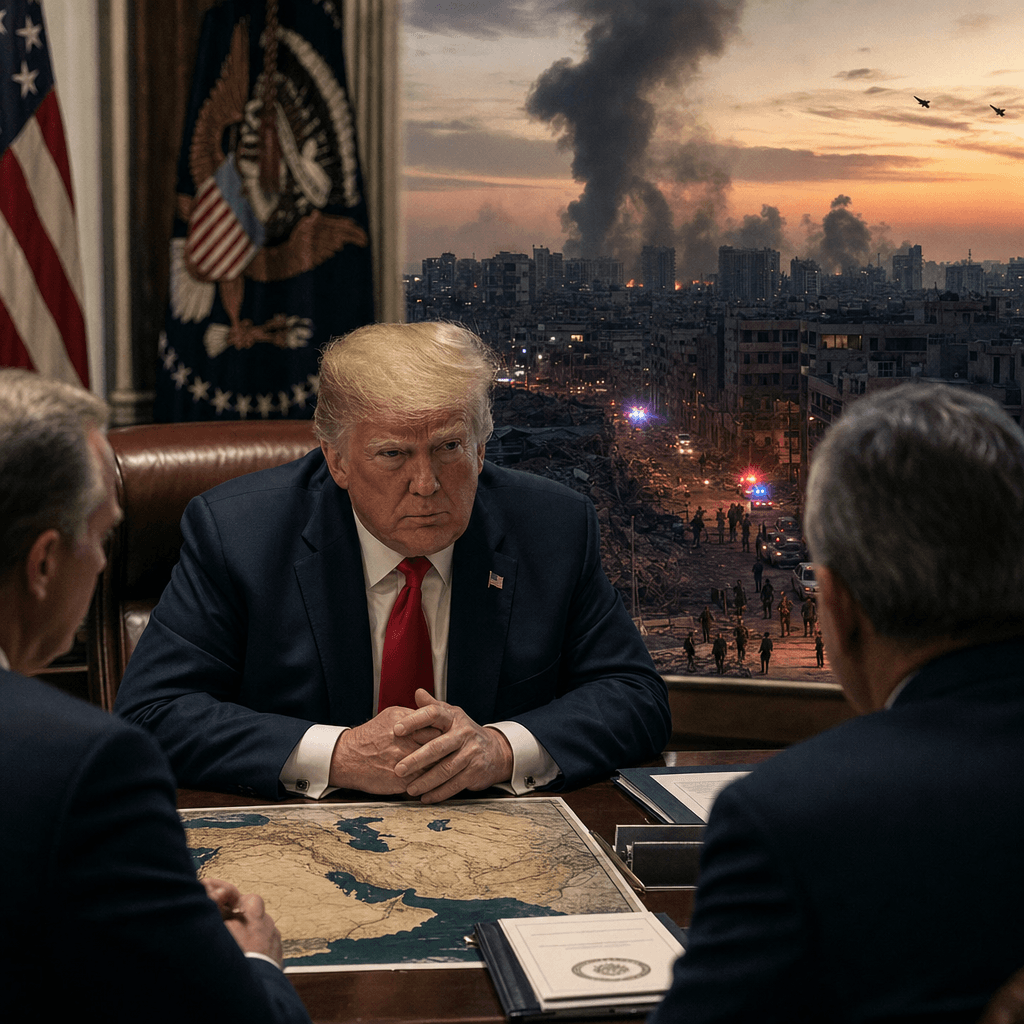
Trump’s Iran Deal Push Collides With Beirut Airstrike
Trump is pairing diplomacy with coercion, while Israel’s Beirut strike keeps the wider conflict live and limits room for a clean de-escalation.
Trump is trying to turn military pressure into bargaining leverage, saying after “very good talks” that a deal with Tehran is “very possible,” even as his administration keeps the threat of escalation on the table, according to Al Jazeera’s liveblog. The reported outline is blunt: a one-page understanding that would pause Iranian nuclear enrichment, ease sanctions, and dial back the fight over the Strait of Hormuz, with Iran reviewing the text through Pakistani mediators,
the Australian Financial Review reported. That is classic Trump leverage: offer a diplomatic off-ramp, but keep the military and economic vise in place. For background on how the conflict is spilling across theaters, see
Conflict and
United States.
Washington’s leverage is the blockade, not the promise
The reported U.S. terms matter because they attack Iran where it is most exposed: energy flow and sanctions relief. The Washington Times says the proposed deal would give both sides 30 days of further talks while keeping Hormuz open, after U.S. forces disabled an Iran-flagged tanker trying to move toward an Iranian port. The same report says Trump warned that if Tehran does not accept the terms, “the bombing starts,” which means the offer is not a concession but a test of Iranian weakness. Iran’s position is also constrained: it wants recognition of its right to enrich uranium and some say over the waterway after any settlement, while Washington publicly wants dismantlement of parts of the nuclear program and a reopened strait,
the Washington Times reported. That asymmetry is the real bargaining field: Tehran needs relief; Washington wants compliance.
Beirut keeps a second front open
Israel’s strike on Beirut complicates the idea that this is becoming a neat U.S.-Iran bargain. AFR’s live coverage says Israel hit the Lebanese capital for the first time since the ceasefire with Hezbollah last month, targeting a commander from the group’s Radwan force in the southern suburbs. That does two things at once. It reminds Hezbollah that Israel is still willing to strike inside Beirut, and it tells Tehran that progress on Hormuz will not automatically stop Israeli action on the northern front. In practical terms, that means any Iran deal may narrow maritime risk without fully lowering regional military risk.
Al Jazeera’s earlier live report also noted the U.S. pause on its “Project Freedom” operation in the strait, but paired it with warnings that American forces could resume combat if needed.
What to watch next
Tehran’s reply through Pakistan is the next decision point. If Iran accepts even a limited framework, Trump can claim he forced movement on nuclear and shipping issues without a new war. If it rejects the offer, the White House still has the blockade, the bombing threat, and the ability to widen pressure in Hormuz. On the Lebanese side, the question is whether Israel treats the Beirut strike as a one-off message or a template for more attacks while talks continue.
Discover more
Global Politics
Trump's Conflicting Messages on Iran War
Trump's contradictory statements on the Iran war raise strategic uncertainty, complicating US policy and regional dynamics.
Global Politics
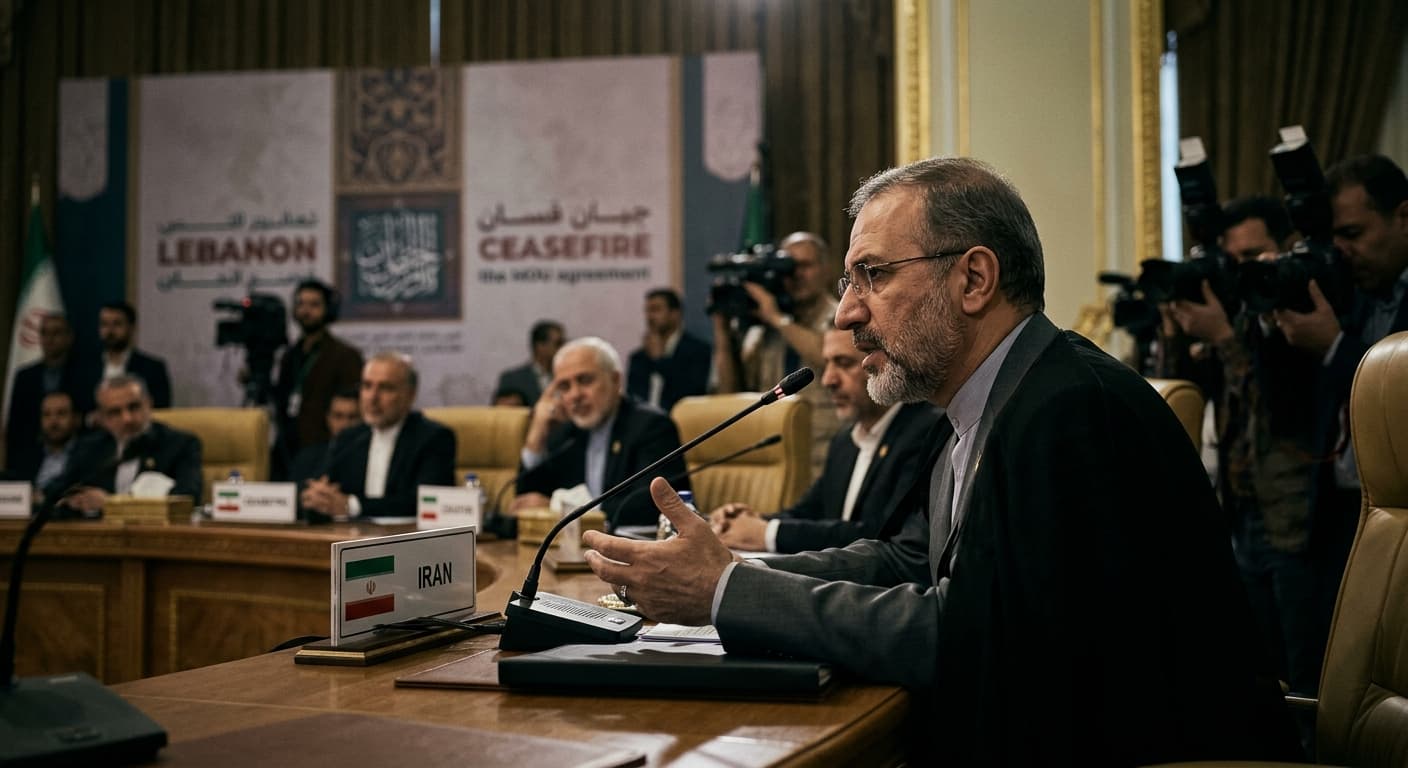
Iran Demands US Enforce Ceasefire
Iran insists the US must enforce a ceasefire in Lebanon to uphold the MoU.
India
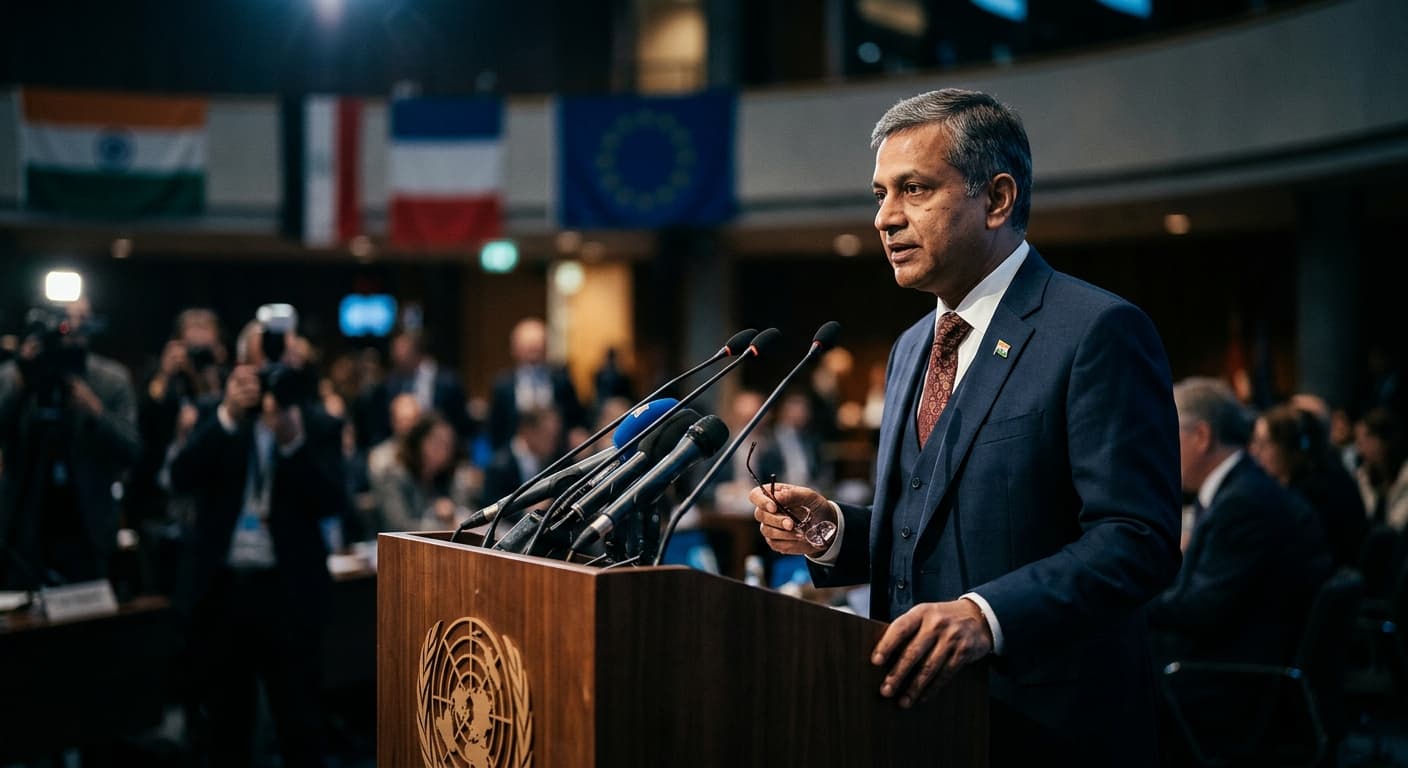
India Takes Vice-Presidency at FATF
India's Vivek Aggarwal becomes FATF vice president, paving the way for future leadership.
Global Politics
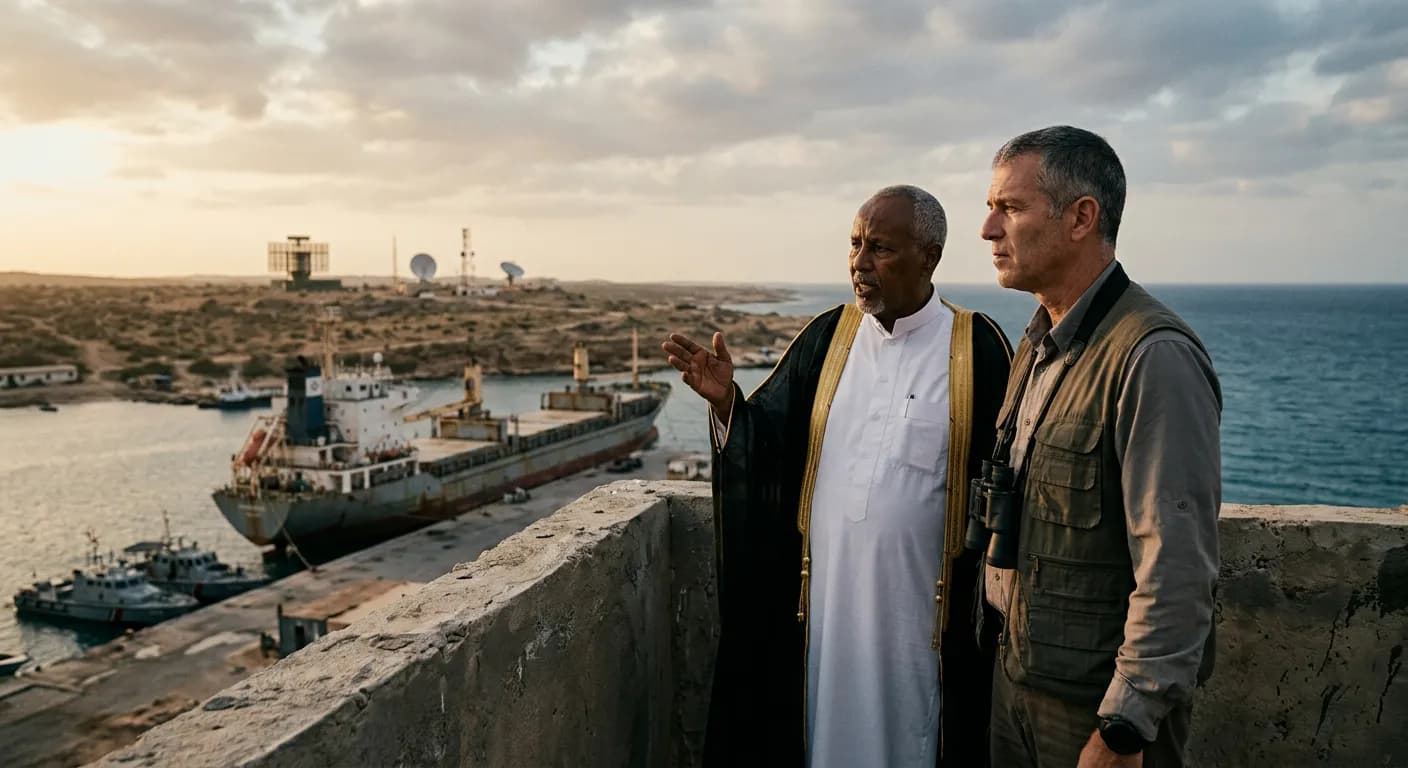
Israel's Red Sea Gambit: Why Somaliland
Israel's partnership with Somaliland aims to counter Houthi threats and enhance Red Sea influence.