Trump's Marijuana Reclassification
Trump's move on medical cannabis reclassification is strategic yet limited.
Model Diplomat3 min readNorth America

Trump's Marijuana Reclassification Is a Half-Step — and Deliberately So
The DOJ's Schedule III move for medical cannabis is historic but narrow. Trump is threading a political needle that could unravel at the DEA's June hearings.
On April 23, Acting Attorney General Todd Blanche signed an order reclassifying state-licensed medical marijuana from Schedule I to Schedule III — a historic break from five decades of federal prohibition that places cannabis alongside ketamine and codeine rather than heroin and LSD. The move stops well short of legalization, but its downstream effects on taxation, research, and industry financing are real and immediate.
This is an executive action, not legislation. No vote in Congress. No bipartisan coalition. Just a directive Trump framed as "science-based" to advance medical research and veterans' healthcare — two framings his base can absorb without ideological discomfort.
The Political Calculus
Trump is extracting maximum political value from minimum policy exposure. The rescheduling delivers three things his coalition wants: tax relief for medical cannabis operators (Section 280E of the tax code no longer applies to Schedule III substances), expanded research access, and a signal of deregulatory momentum. It costs him almost nothing with social conservatives, because recreational cannabis — legal in 24 states plus D.C. — remains in federal legal limbo.
The cannabis industry has been lobbying hard for exactly this outcome, and US Politics watchers will note that the $50+ billion legal cannabis market has shifted political donations toward whoever moves the needle. Trump moved it. The industry's banking problem — firms still largely cut off from federal financial services — is not resolved, but operators can now deduct business expenses federally, a meaningful cash-flow fix.
Who loses: illicit-market operators gain nothing. Multi-state operators (MSOs) holding both medical and adult-use licenses face a two-tier compliance landscape — their medical operations shift toward Schedule III status while adult-use products remain Schedule I. Lawyers, not dispensary owners, are the near-term beneficiaries of that ambiguity.
The June Hearings Are the Real Moment
The rescheduling order is not the end of this story. The DEA has scheduled administrative hearings for late June to consider broader reclassification — which could encompass adult-use cannabis or push toward Schedule II. That hearing is where the actual fight plays out.
Prohibitionist groups, law enforcement lobbies, and a bloc of Republican legislators will show up in force. The Biden administration attempted the same Schedule III move and couldn't close it before leaving office. Trump's team has moved faster, but the administrative law process is adversarial — any ruling can be challenged in federal court for years.
Watch Congress's reaction over the next three weeks. If Republican leadership signals opposition to broader rescheduling before June, the DEA hearings become a pressure valve rather than a gateway. If International treaty obligations under the 1961 UN Single Convention on Narcotic Drugs get raised — and they will be — the administration will need a legal theory to square Schedule III with existing treaty commitments.
The next hard date: late June DEA hearings. Whatever Blanche signed in April is the floor, not the ceiling — but whether the ceiling moves depends on whether Trump decides the political upside of further action still outweighs the cost of a conservative backlash.
Sources: CNN |
Washington Post/AP |
Globe and Mail
Discover more
Global Politics
Trump's Conflicting Messages on Iran War
Trump's mixed messages on Iran reflect a strategy of audience management, benefiting Tehran amid a complex geopolitical landscape.
India
Women’s Reservation Bill 2026
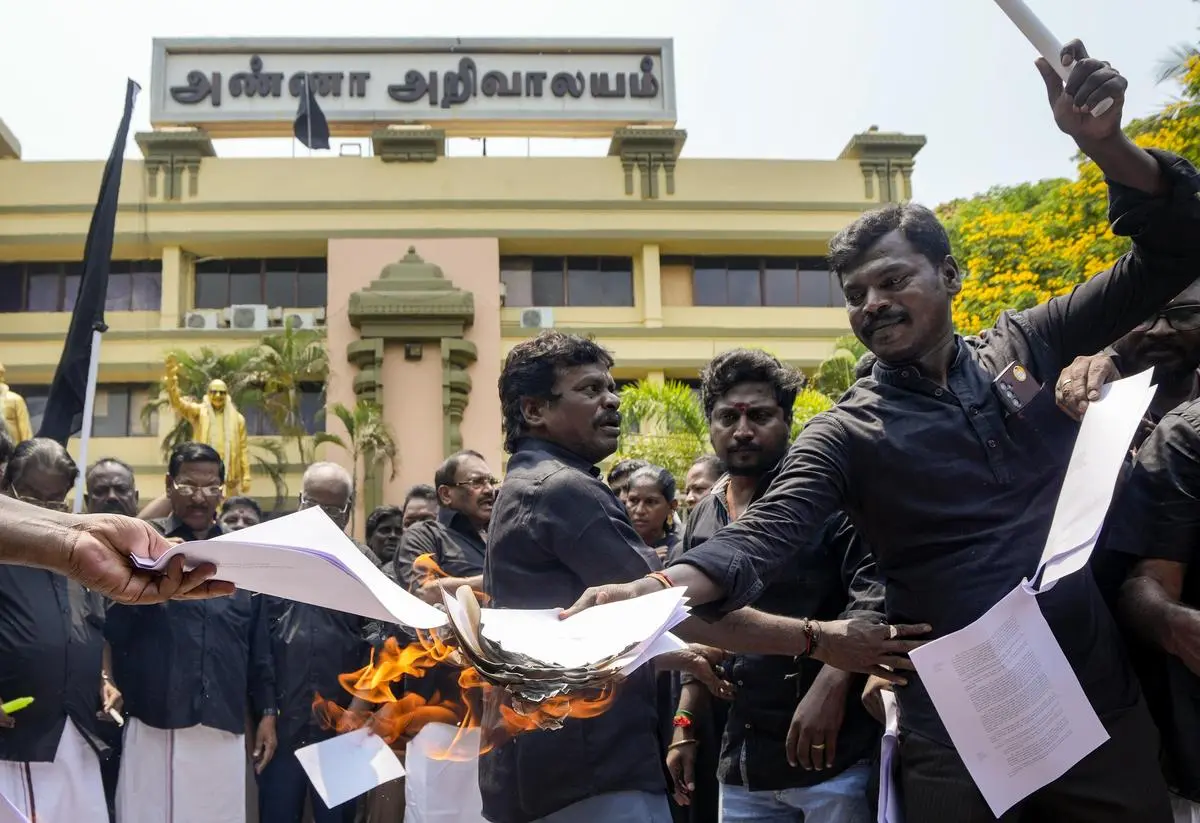
The Constitution (131st Amendment) Bill, 2026 was defeated in Lok Sabha, revealing deeper political conflicts over women's reservation and delimitation.
India
BJP's Misunderstanding of Women's Quota Needs
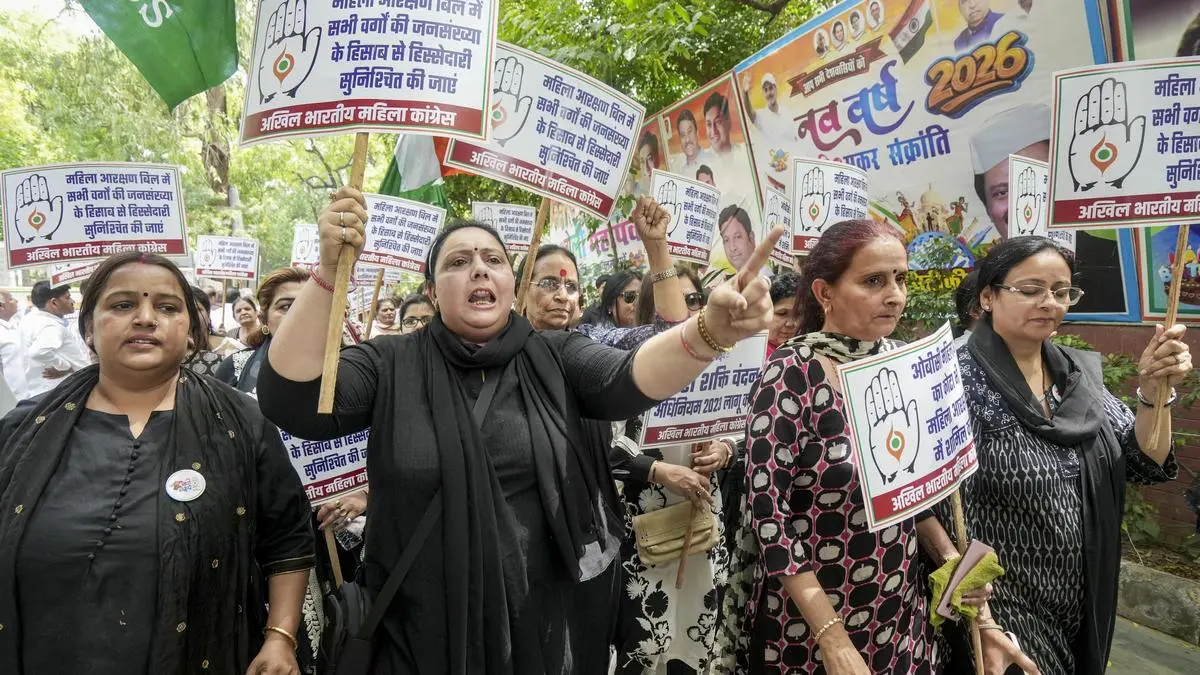
The BJP's linking of the Women Reservation Bill to delimitation risks delaying women's empowerment in India, misreading the aspirations of female voters.

Conflict & Security
Drone Warfare Killing Aid Workers at Unprec
Over 1,000 humanitarian workers killed in three years as cheap armed drones collapse legal protections. Gaza, Sudan, Ukraine, and DRC see deliberate targeting of aid convoys and hospitals with zero prosecutions.