Trump's Third Unity Call
Analyzing Trump's calls for unity after violence incidents
Model Diplomat3 min readUnited States
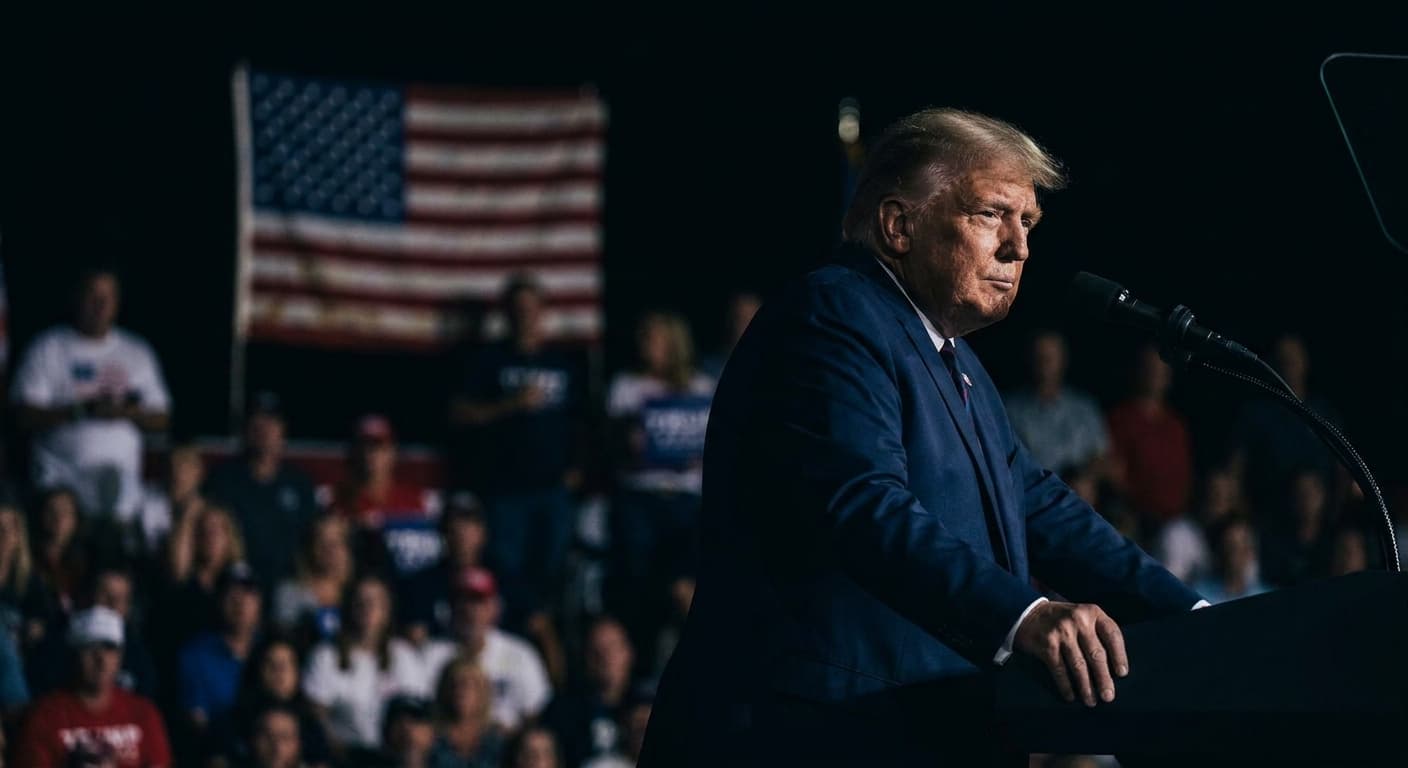
Trump's Unity Calls After a Third Attempt: A Pattern That Doesn't Hold
After what he describes as a third assassination attempt in under two years, Trump is calling for bipartisan healing — but his record says the window will be short.
President Donald Trump, following what he characterized as a third attempt on his life in under two years, delivered an unusually conciliatory address urging national unity and bipartisan healing. The call echoed similar pivots after the Butler, Pennsylvania shooting in July 2024 and a second incident months later — both of which dissolved quickly back into partisan warfare. The pattern is now established enough to analyze on its own terms.
The Leverage Play Behind the Rhetoric
Trump holds a structurally strong hand here. Each violent incident generates a brief news cycle in which he commands the moral high ground and Democrats face pressure to match his tone. That asymmetry is the point. Unity rhetoric from a president who survived violence is almost impossible to counter politically — opposition figures who push back risk appearing callous; those who embrace it hand Trump a narrative of magnanimity.
The White House has already signaled the other side of the coin: in September 2025, Trump signed a memorandum directing federal agencies to investigate groups allegedly aiding "organized political violence," with Attorney General Pam Bondi describing broad targeting authority while Trump publicly gestured toward liberal donors as persons of interest — a move the Globe and Mail characterized as rewarding allies and punishing rivals under a unity banner.
Source: CNN
Why the Window Always Closes
The data point that matters: no unity moment in Trump's political career has outlasted a single major news cycle. After Butler, the truce lasted roughly 72 hours before the campaign reverted to the "enemy within" framing. The USA Today analysis of political discourse trends through early 2026 found that social media amplification and easier weapon access have made the gap between conciliatory rhetoric and renewed polarization shorter, not longer — with threats against public figures continuing to spike regardless of which party calls for calm.
The structural problem: Trump's coalition is held together partly by conflict framing. De-escalation is politically costly for him beyond the initial sympathy window. Democrats face the mirror-image trap — appearing to validate his victimhood narrative if they engage too warmly, or appearing obstructionist if they don't. Neither side has a strong incentive to sustain the détente.
For broader context on the dynamics shaping US Politics in this period, the pattern sits inside a two-year arc of accelerating political violence and retaliatory rhetoric that neither party has found a mechanism to interrupt.
What to Watch Next
Three signals will tell you whether this unity moment is real or performative:
- Whether Trump's DOJ narrows or expands the scope of the September 2025 political violence probe in the coming weeks — expansion kills the unity framing immediately.
- The White House's tone at the next major legislative clash, likely the budget reconciliation fight expected in late May 2026 — that's where the conciliatory language will either survive contact or disappear.
- Democratic leadership's response — if Hakeem Jeffries or Chuck Schumer embrace the unity call publicly, watch whether Trump reciprocates with any policy gesture, or banks the goodwill and moves on.
The burden of proof is on durability. Three incidents, three unity speeches, three resets to the baseline. The prior is strong.
Discover more
Global Politics
Trump's Conflicting Messages on Iran War
Trump's mixed messages on Iran reflect a strategy of audience management, benefiting Tehran amid a complex geopolitical landscape.

Conflict & Security
Drone Warfare Killing Aid Workers at Unprec
Over 1,000 humanitarian workers killed in three years as cheap armed drones collapse legal protections. Gaza, Sudan, Ukraine, and DRC see deliberate targeting of aid convoys and hospitals with zero prosecutions.

Global
World Normalises Taliban as Afghan Women Eras
UN data shows Afghan women erased from public life as Russia recognises the Taliban, EU hosts officials in Brussels, and ICC warrants for gender persecution go unenforced.
Conflict & Security
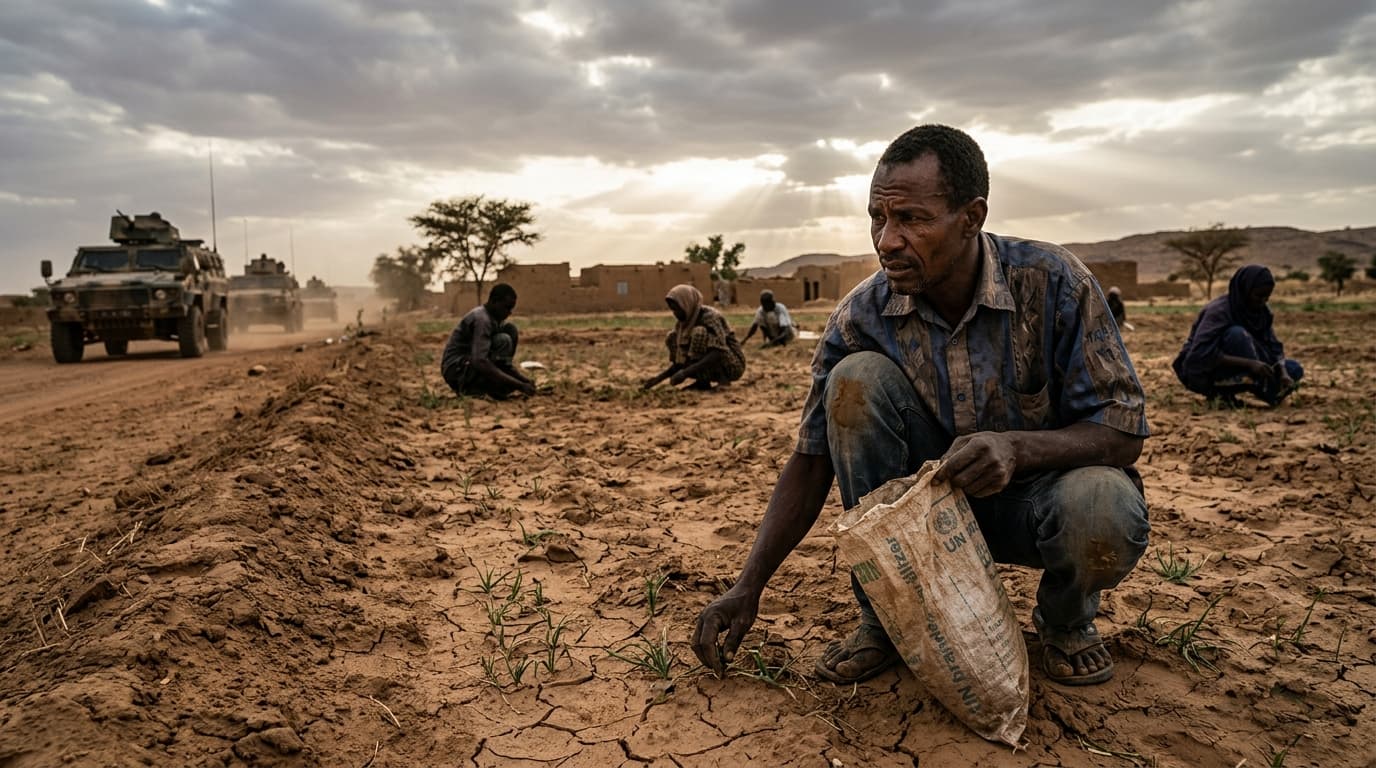
West Africa Food Crisis: Three Shocks in 2026
Conflict, climate extremes, and the Strait of Hormuz closure drive a severe food crisis in West and Central Africa, with fertilizer prices surging 80% and millions displaced.