Trump’s Jan. 6 payout fund creates new leverage
[A pardoned Jan. 6 rioter’s $30 million ask shows how Trump’s DOJ fund could turn prosecutions into payouts — and trigger a fast legal fight.]
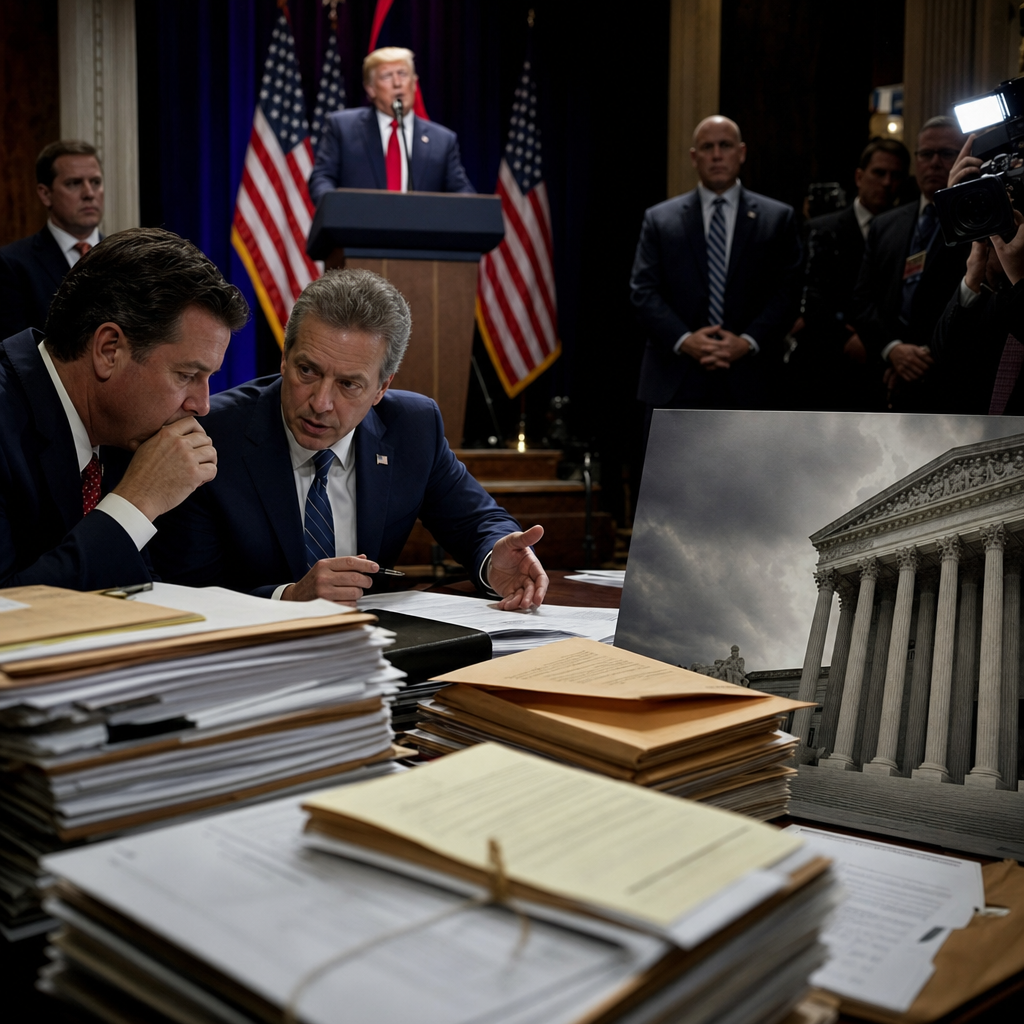
Brandon Fellows, a Jan. 6 rioter who spent three years in prison, is now openly seeking $30 million from the Justice Department, and he told CNN he feels more confident after the Trump administration announced a nearly $1.8 billion “anti-weaponization” fund for people it says were unfairly targeted by federal power. The point is leverage: the administration has turned a political grievance into a claims process, and Fellows is trying to cash in on it through  CNN.
CNN.
Why the fund matters
This is not just about one former rioter. CNN reported on May 18 that the fund was created to settle Donald Trump’s tax-return lawsuit against the IRS and would draw from the federal Judgment Fund, with no partisan requirement for applicants and a five-member commission selected through the DOJ process to review claims. That structure gives the White House and acting Attorney General Todd Blanche enormous influence over who gets paid and why, even as the money comes from taxpayers via a federal settlement mechanism through  CNN.
CNN.
The key power shift is that Trump’s team is not merely defending past prosecutions; it is building a channel for allies to seek restitution after the fact. That matters in  US Politics because it moves the fight from courts to administration-controlled claims review. CBC reported that an advocacy group representing Jan. 6 defendants is already working with more than 450 people preparing claims, and some expect eight-figure payouts once the system is running through
  CBC News.
Who gains, who loses
The immediate winners are Trump-aligned defendants and political litigants who have long argued they were swept up in a politicized legal system. Fellows is the most visible example, but the same fund could benefit other Jan. 6 defendants, fake electors, and even Trump allies who faced investigations over the 2020 election, according to CNN’s reporting on the fund’s scope through CNN. The larger political benefit for Trump is that the fund reinforces his core narrative: the federal government punished his movement unfairly, and now it should pay.
The losers are equally clear. Capitol Police officers and institutions tied to the Jan. 6 response are now fighting to stop the payouts altogether. The  Washington Post reported that two officers who defended the Capitol sued to block anyone, including Jan. 6 rioters, from receiving money from the fund. That is the first sign this will become a broader legitimacy fight: not just who qualifies, but whether the government should be paying people tied to an attack on Congress.
What to watch next
The next decision point is the commission. If Blanche names members quickly and the rules stay broad, the fund will become a live political instrument, not a theoretical promise. If courts or Congress force tighter definitions — especially around violent Jan. 6 conduct — the payouts could narrow fast. Watch for the first commission appointments, the officers’ lawsuit, and any House move to challenge the settlement before claims start moving.
*