Trump's Iran War Sparks US-Germany Tensions
US troop cuts and missile delays strain US-Germany relations.
Model Diplomat2 min readEurope
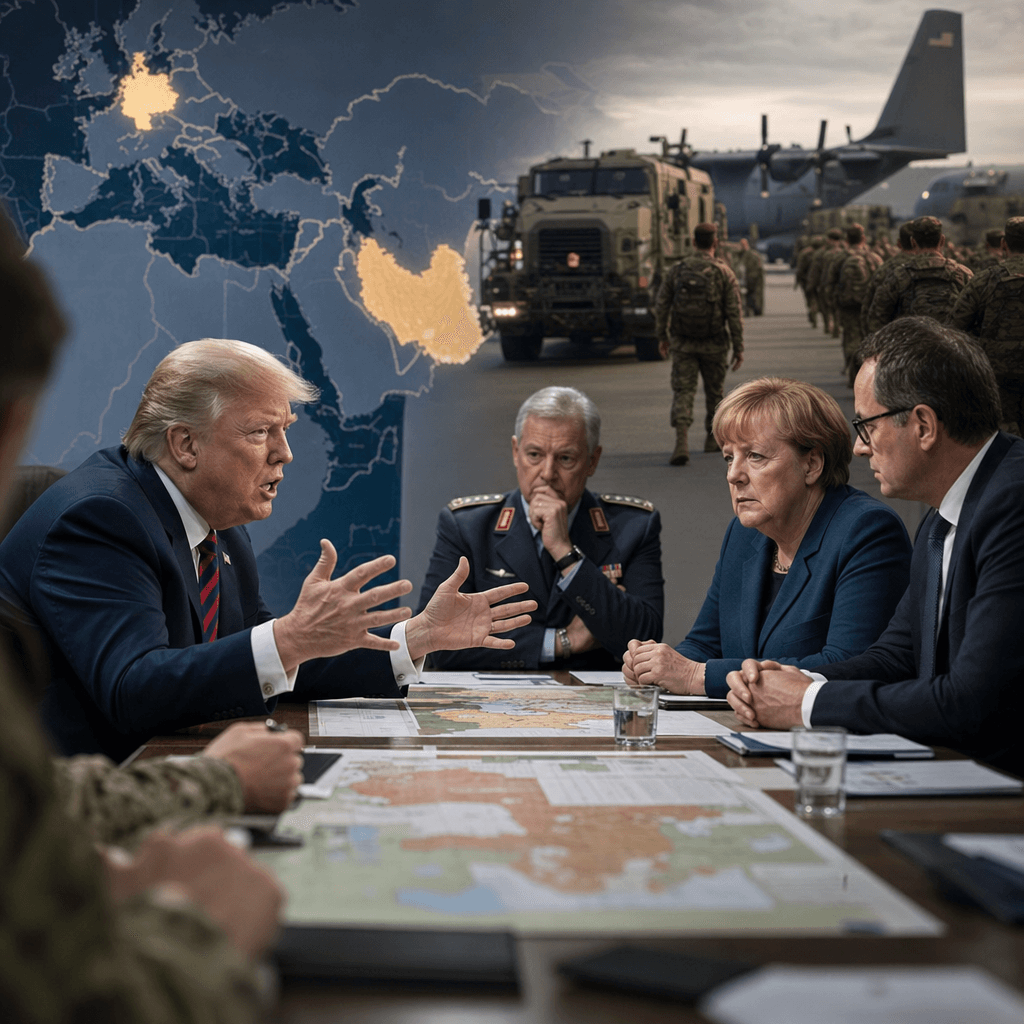
Trump’s Iran War Push Opens a New US-Germany Rift
Washington is using troop cuts and missile delays to punish Berlin’s pushback on Iran, exposing how much Germany still depends on U.S. force.
Trump is using force posture as leverage. Washington will pull about 5,000 troops from Germany over the next 6-12 months after the spat with Chancellor Friedrich Merz over the Iran war, and NATO says it is still trying to understand the decision. France 24
Pressure point: troops, missiles, and signaling
This is not just a symbolic slap. Germany hosted 36,436 active-duty U.S. troops at the end of 2025, the largest U.S. footprint in Europe, and German officials say bases such as Ramstein still have an “irreplaceable function” for both militaries. France 24
The bigger strategic issue is deterrence. POLITICO reports that one unit likely to go is the U.S. Army’s Multi-Domain Task Force, which was meant to help bring Tomahawk cruise missiles to Europe; without it, Berlin faces a missile gap it cannot quickly close. POLITICO
That makes the U.S. cut a bargaining tool, not a simple redeployment. Trump is signaling that allies who do not line up behind Washington on Iran can lose access to the military umbrella they still need most against Russia. For the broader pattern, see Global Politics.
Why Berlin is exposed
Merz is trying to hold two incompatible positions at once: keep Washington close on Ukraine while criticizing the Iran war’s risks. He told German media he is “not giving up” on Trump, even as he acknowledged a public rift and said the Americans may not have enough weapons to supply the planned missile deployment. Le Monde
That is the real asymmetry. Germany needs U.S. power for European security, but Washington does not need Berlin’s approval to change troop levels, stall missile plans, or narrow NATO’s bandwidth. The result is that Merz has limited room to escalate without paying a security price. POLITICO
POLITICO
The domestic politics cut both ways. Merz is under pressure from coalition partners and voters worried about energy costs, refugee flows, and another open-ended Middle East war; that makes him less willing to echo Trump, even if he still wants to preserve the alliance. POLITICO
What to watch next
The next decision point is the Pentagon’s force-posture timeline: if the 5,000-troop reduction proceeds on schedule, the U.S.-Germany split becomes structural rather than rhetorical. The immediate test is whether Berlin can protect Ramstein and avoid a broader pullback from Germany — and whether Trump broadens the pressure to Italy and Spain, which he has already singled out. France 24
This is the same trap Washington has set before. In 2020, Trump approved a 9,500-troop withdrawal from Germany, arguing Berlin was not paying enough for NATO; allies warned then, as they do now, that the move would weaken deterrence. BBC
Discover more
Global Politics
Trump's Conflicting Messages on Iran War
Trump's mixed messages on Iran reflect a strategy of audience management, benefiting Tehran amid a complex geopolitical landscape.

Conflict & Security
Drone Warfare Killing Aid Workers at Unprec
Over 1,000 humanitarian workers killed in three years as cheap armed drones collapse legal protections. Gaza, Sudan, Ukraine, and DRC see deliberate targeting of aid convoys and hospitals with zero prosecutions.
Global
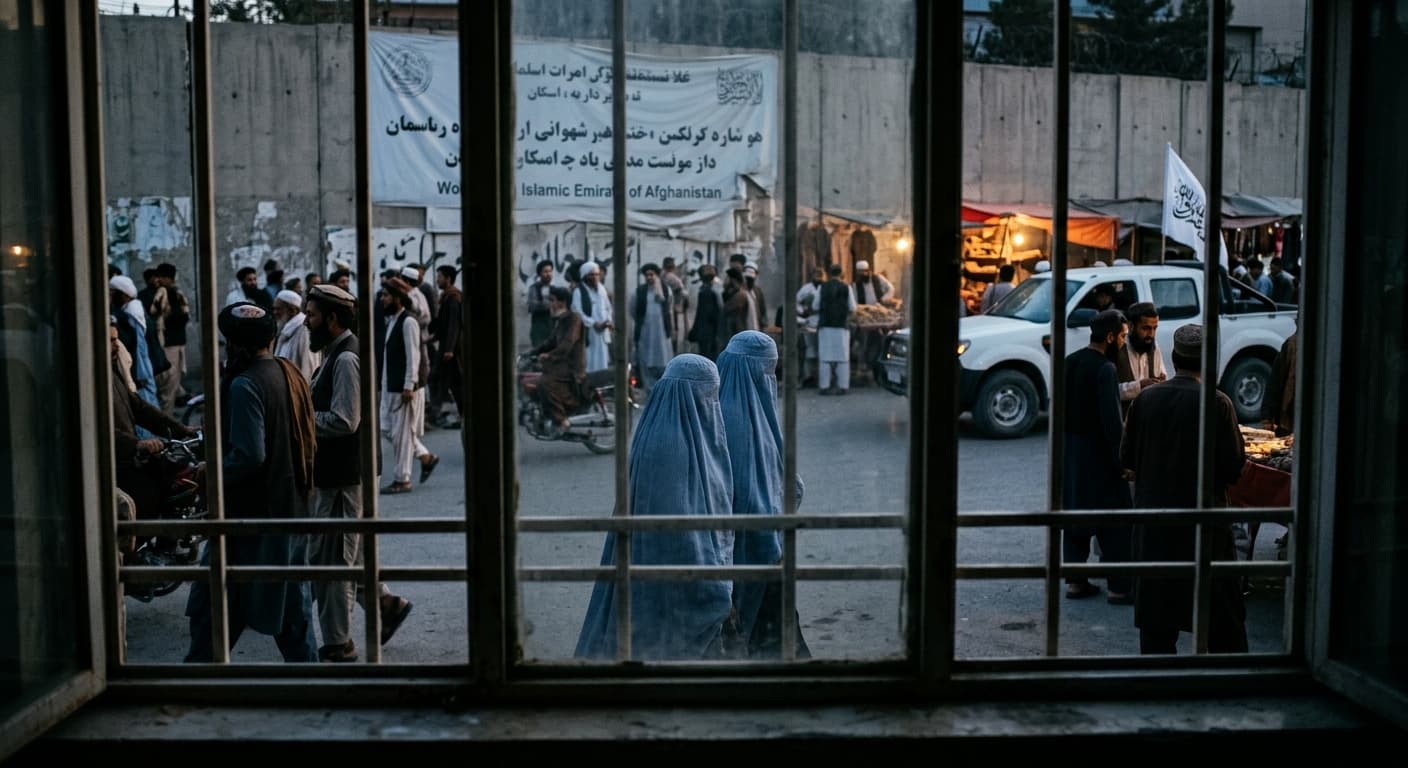
World Normalises Taliban as Afghan Women Eras
UN data shows Afghan women erased from public life as Russia recognises the Taliban, EU hosts officials in Brussels, and ICC warrants for gender persecution go unenforced.
Conflict & Security
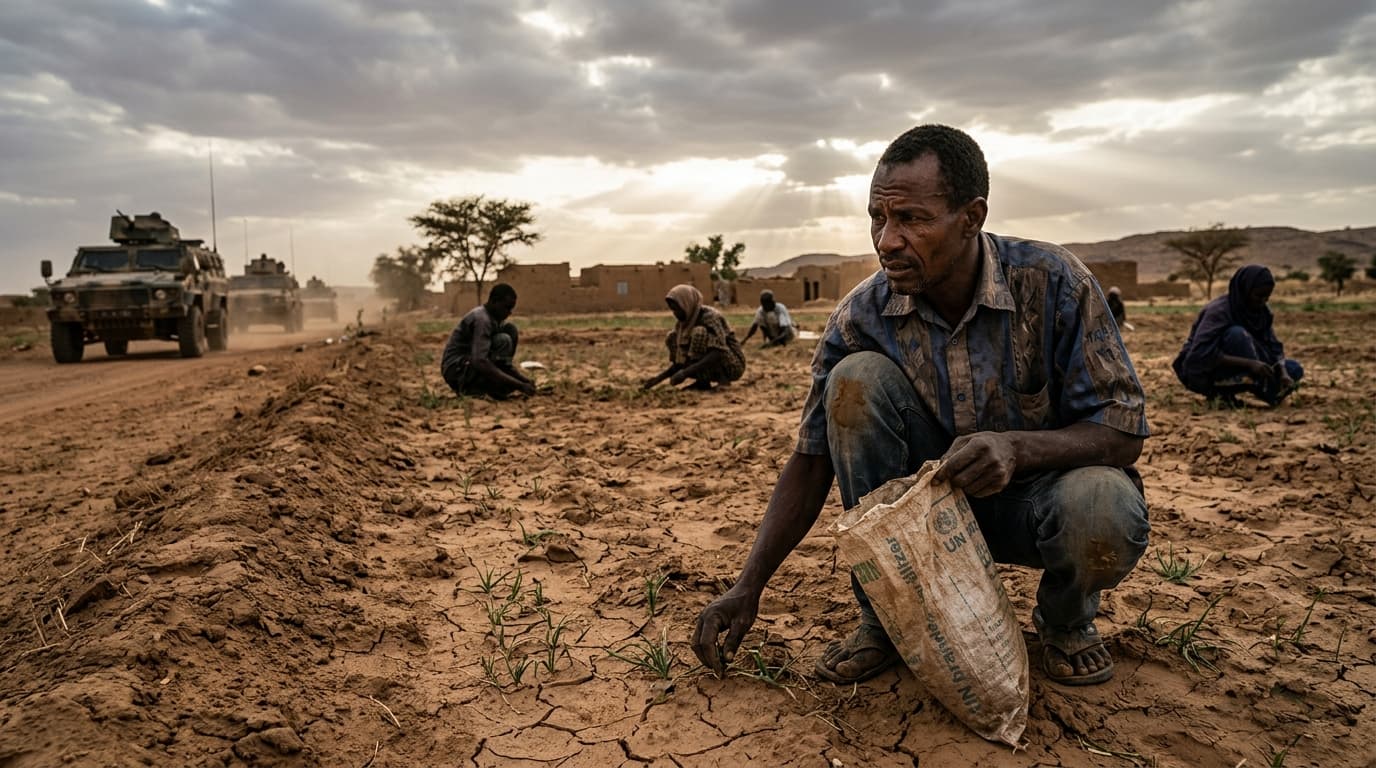
West Africa Food Crisis: Three Shocks in 2026
Conflict, climate extremes, and the Strait of Hormuz closure drive a severe food crisis in West and Central Africa, with fertilizer prices surging 80% and millions displaced.