Trump's Iran War Powers Shift Congress Tides
Trump's declaration complicates Democrats' war-powers strategy.
Model Diplomat3 min readNorth America
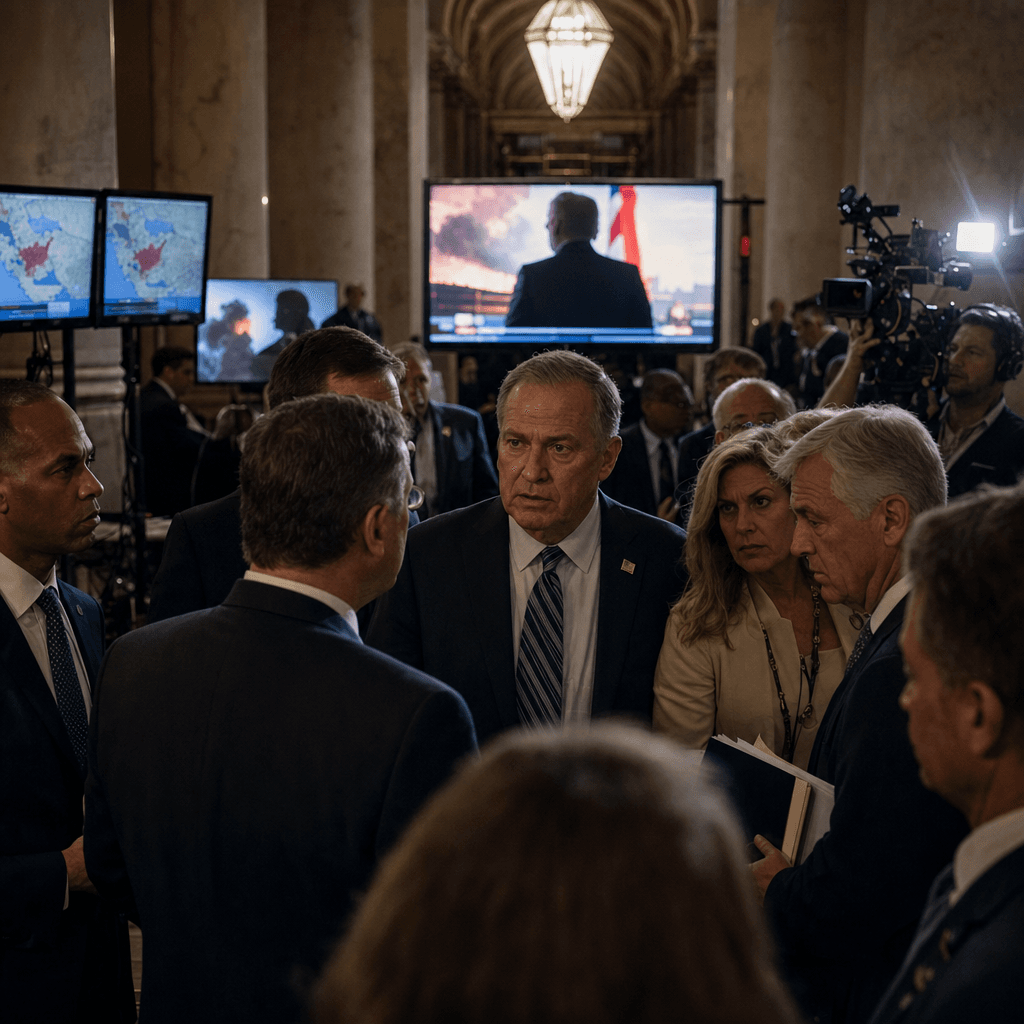
Trump Turns Iran War-Powers Fight Into a Timing Game
Trump’s “hostilities terminated” notice blunts Democrats’ push for war-powers votes and gives Republicans procedural cover as the Iran fight shifts to Congress.
President Trump’s declaration that U.S. hostilities with Iran had “terminated” has thrown House Democrats’ war-powers plan into disarray, because it undercuts the legal and political basis for the daily floor votes they were preparing to force, Axios reports. Axios
Trump’s move changes the battlefield in Congress
The immediate leverage sits with the White House and House Republicans: if they accept Trump’s framing that the conflict ended with the ceasefire, they can argue there is nothing left for Congress to vote on under the War Powers Resolution, even as the U.S. still maintains pressure on Iran’s shipping and military assets, Axios said. Axios
CBC News/Thomson Reuters
That is the core of the maneuver: Trump is not conceding congressional oversight, he is trying to redefine the conflict so the oversight fight looks moot. Axios The White House’s legal argument is that the ceasefire reset the clock; Democrats say the blockade of Iranian shipping and continued strikes mean hostilities never really stopped.
CBC News/Thomson Reuters
Axios
For Democrats, the loss is tactical as much as legal. House progressives had planned to force repeated war-powers votes to put Republicans on record against an open-ended Iran campaign, but Axios reports aides are now reassessing whether that strategy still works once Congress returns next week. Axios That matters because floor votes are how Democrats turn a constitutional argument into a live political liability for GOP members worried about the midterms.
CNN
Why the fight still matters even if Trump says it is over
This is not just a procedural quarrel. Reuters’ reporting, carried by CBC, said Trump formally notified Congress that the “hostilities” that began on Feb. 28 had ended, a move designed to avoid the War Powers Resolution’s 60-day deadline. CBC News/Thomson Reuters If Republicans accept that theory, they preserve executive flexibility for future strikes without having to ask Congress for authorization. If they reject it, they risk forcing a vote that could expose divisions inside the GOP.
CNN
The substantive backdrop is worse for the administration than the messaging suggests. Bloomberg reported that Iran is still evaluating a U.S. proposal that would gradually reopen the Strait of Hormuz, while the broader U.S.-Iran deal remains unresolved. Bloomberg CNN added that the shutdown and reopening of “Project Freedom” in a matter of hours exposed how little strategic consistency Washington has managed to impose, despite Trump’s claim that the U.S. “holds all the cards.”
CNN
For readers tracking the domestic angle, this is a textbook US Politics fight over who controls war-making authority, with foreign policy consequences reaching well beyond Washington. It also spills into
Global Politics, because the Strait of Hormuz remains a pressure point for oil markets, allies and insurers.
What to watch next
The next decision point is when Congress returns next week: whether House Democrats still force war-powers votes, and whether Speaker Mike Johnson lets them reach the floor or sends the issue to the parliamentarian, as Axios reported lawmakers are considering. Axios
If Republicans block a vote, Trump gets the better short-term outcome: fewer lawmakers on record, less immediate scrutiny, and more room to negotiate with Tehran from a position of ambiguity. If Democrats succeed, the fight shifts from war powers as a legal theory to war powers as a political test — and that is a harder terrain for a president who wants the conflict declared finished without a clean end state. Axios
CNN
Discover more
Global Politics
Trump's Conflicting Messages on Iran War
Trump's mixed messages on Iran reflect a strategy of audience management, benefiting Tehran amid a complex geopolitical landscape.

Conflict & Security
Drone Warfare Killing Aid Workers at Unprec
Over 1,000 humanitarian workers killed in three years as cheap armed drones collapse legal protections. Gaza, Sudan, Ukraine, and DRC see deliberate targeting of aid convoys and hospitals with zero prosecutions.

Global
World Normalises Taliban as Afghan Women Eras
UN data shows Afghan women erased from public life as Russia recognises the Taliban, EU hosts officials in Brussels, and ICC warrants for gender persecution go unenforced.
Conflict & Security
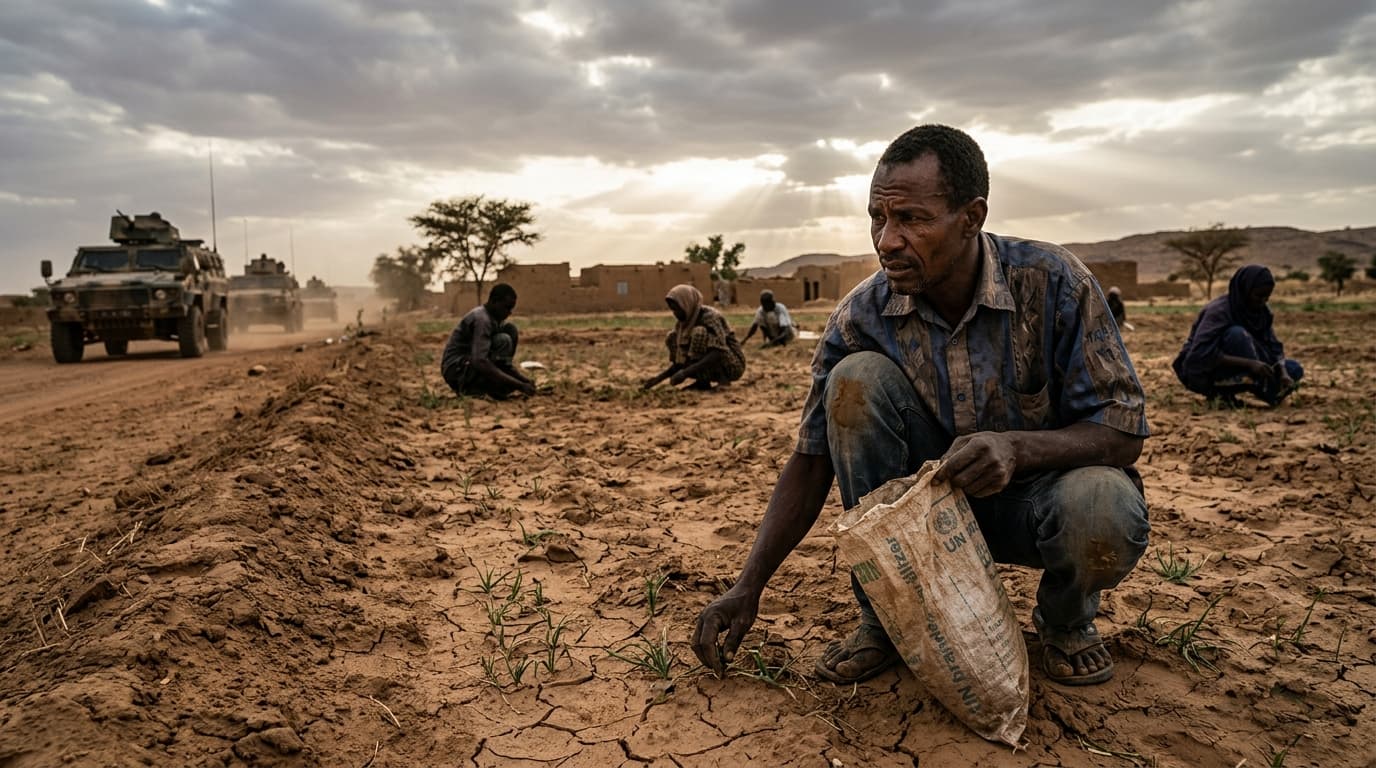
West Africa Food Crisis: Three Shocks in 2026
Conflict, climate extremes, and the Strait of Hormuz closure drive a severe food crisis in West and Central Africa, with fertilizer prices surging 80% and millions displaced.