Trump’s Iran-US Peace Pitch Is About Leverage
Negotiations with Iran hinge on energy and nuclear issues.
Model Diplomat2 min readMiddle East

Trump’s Iran-US Peace Pitch Is About Leverage, Not Peace
Trump says a framework deal with Iran is close, but core issues — nuclear limits, sanctions relief and Hormuz — remain unresolved.
Trump is trying to turn a fragile negotiating process into a political win before the terms are locked. On Saturday, he posted that an agreement with Iran had been “largely negotiated” and would include reopening the Strait of Hormuz, while saying final details would follow shortly, according to BBC and
Hindustan Times. But the same reporting also shows how conditional this still is: Trump later told negotiators not to rush, and Iranian officials described the talks as only a framework or memorandum of understanding, not a final settlement (
BBC;
Al Jazeera).
The leverage is in the strait, not the statement
The power dynamic is straightforward: Iran can still disrupt a critical energy corridor, and Washington is trying to trade that pressure for limits on Tehran’s nuclear programme. The Strait of Hormuz carries around one-fifth of global oil and liquefied natural gas flows, giving any opening or closure immediate market impact (BBC;
Al Jazeera). That is why the deal’s substance matters more than Trump’s language: if the corridor reopens and sanctions ease, Iran gets revenue and breathing room; if not, the rhetoric will be exposed as a pressure tactic rather than diplomacy.
India’s immediate concern is energy and sea lanes
This is where the story lands in New Delhi. Hindustan Times framed the development around “what it means for India’s energy security and Indo-Pacific sea lanes,” and that framing is sound: India is exposed to any disruption in Gulf shipping and crude flows (Hindustan Times). Rubio’s comments in Delhi underscored that Washington is selling the talks as a way to create a “very real, significant, time-limited negotiation” on the nuclear issue and a more open strait, not a comprehensive peace treaty (
BBC). For India, that means relief if the corridor stabilises, but also a reminder that Gulf security can still be reshaped by decisions taken in Washington, Tehran and, increasingly, by third-party mediators such as Pakistan and Gulf states (
Al Jazeera).
What to watch next
The next decision point is not Trump’s social media feed; it is whether Iran’s supreme leader and top security bodies sign off on the framework, and whether the talks move into the 30- to 60-day negotiation window described by Iranian and international outlets (The Guardian;
Al Jazeera). Watch for three signals: a formal Iranian endorsement, an IAEA-linked nuclear verification track, and a sanctions or asset-freeze announcement from the US Treasury. Until those appear, this is a leverage play with diplomatic packaging — not a settled deal.
Discover more
Global Politics
Trump's Conflicting Messages on Iran War
Trump's mixed messages on Iran reflect a strategy of audience management, benefiting Tehran amid a complex geopolitical landscape.

Conflict & Security
Drone Warfare Killing Aid Workers at Unprec
Over 1,000 humanitarian workers killed in three years as cheap armed drones collapse legal protections. Gaza, Sudan, Ukraine, and DRC see deliberate targeting of aid convoys and hospitals with zero prosecutions.
Global
World Normalises Taliban as Afghan Women Eras
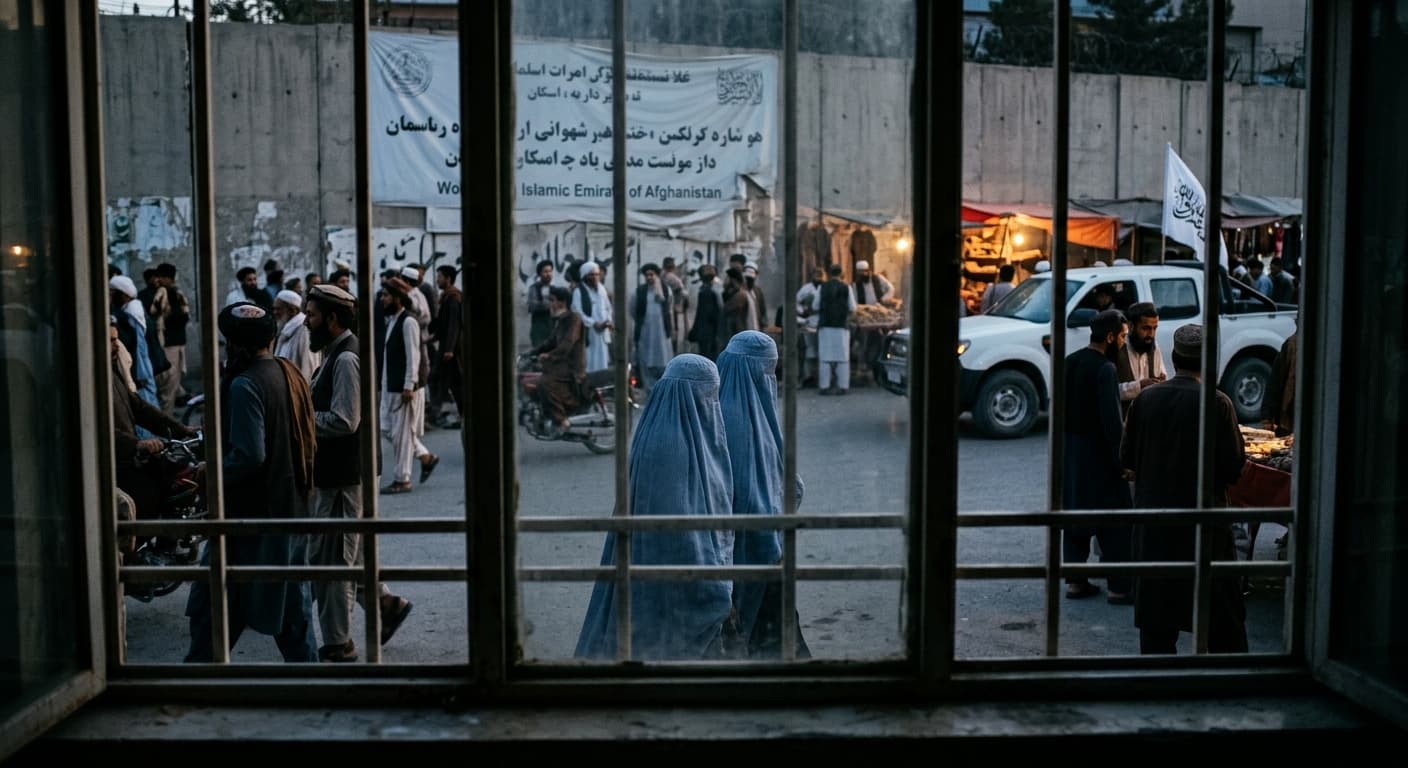
UN data shows Afghan women erased from public life as Russia recognises the Taliban, EU hosts officials in Brussels, and ICC warrants for gender persecution go unenforced.
Conflict & Security
West Africa Food Crisis: Three Shocks in 2026
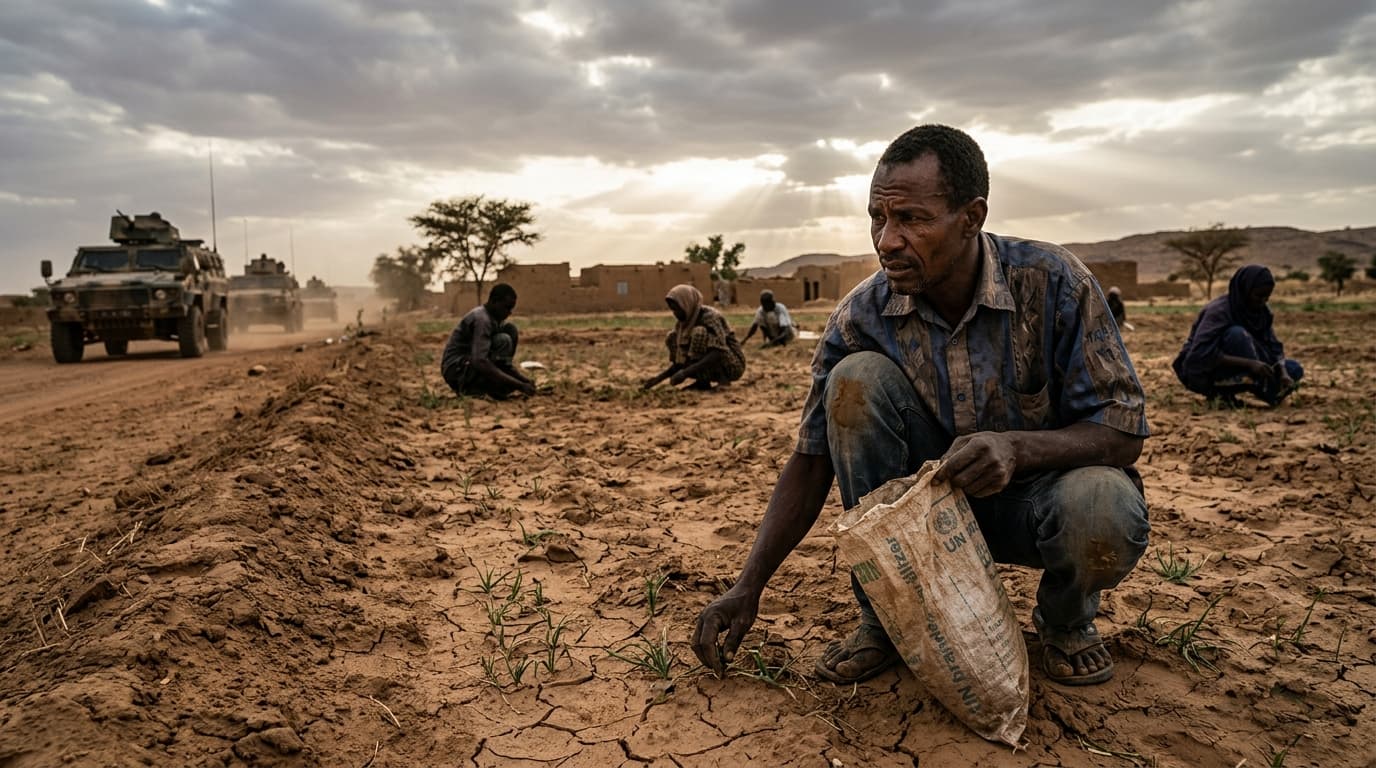
Conflict, climate extremes, and the Strait of Hormuz closure drive a severe food crisis in West and Central Africa, with fertilizer prices surging 80% and millions displaced.