Trump's Iran Uranium Deal
Iran's uranium trade raises questions on sanctions and leverage.
Model Diplomat3 min readMiddle East
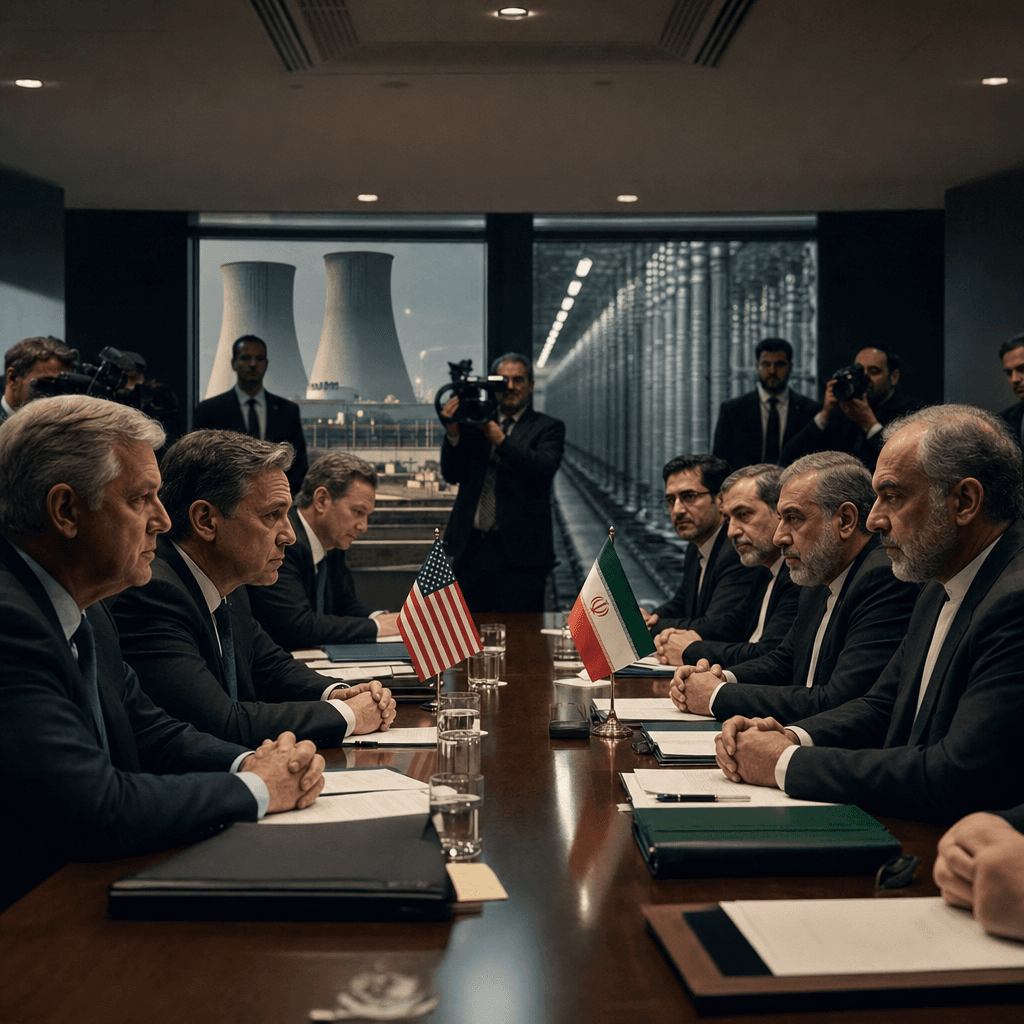
Trump's Iran Uranium Deal Is a Leverage Test, Not a Win
Tehran may trade its near-weapons-grade stockpile for sanctions relief, but the mechanism — and final leverage — remain unsettled.
Iran’s reported willingness to give up enriched uranium is real, but the deal announced by Trump is still more pressure campaign than settlement. U.S. officials told The New York Times that Iran agreed in principle to hand over its stockpile of highly enriched uranium, while the rest of the package — sanctions relief, frozen assets, and verification — was left for later. That is the core power dynamic: Washington is trying to convert military and economic pressure into a nuclear rollback; Tehran is trying to turn that same pressure into sanctions relief and survival guarantees.
A partial bargain, not a final accord
The reporting points to a familiar Iranian trade: constrain the most alarming part of the nuclear program in exchange for money and breathing room. Reuters reported that the framework under discussion would pair a moratorium on enrichment with U.S. sanctions relief and the release of billions of dollars in frozen Iranian funds. But the same reporting also leaves the hardest issue unresolved: what happens to Iran’s existing stockpile of more than 400 kilograms of near-weapons-grade uranium.
That gap matters. The stockpile is the one asset Tehran can trade, hide, dilute, or delay. It is also the item Washington has treated as non-negotiable. Reuters reported separately that a directive from Mojtaba Khamenei set a red line against sending the uranium abroad, with Iranian officials insisting the material should not leave the country and could instead be diluted under International Atomic Energy Agency supervision (Reuters via Asharq Al-Awsat). That tells you where the real fight is: not over principle, but over custody.
Who gains if this holds
If Trump can claim Iran has surrendered its most dangerous material, he gets a foreign-policy win that is easy to sell at home and to allies such as Israel. The New York Times and
Reuters both indicate that the deal’s broader structure would also touch the Strait of Hormuz and frozen assets — meaning the payoff is not just nuclear, but commercial and geopolitical. A stable Hormuz lowers risk for Gulf shippers, oil markets, and regional governments that have been forced to plan around disruption.
Iran’s upside is narrower but still significant. Any sanctions relief or asset release would ease pressure on an economy that has been squeezed by years of isolation. But hardliners lose if the deal requires physically moving or surrendering the stockpile; that would look less like a reversible pause and more like a concession under duress. That is why Tehran is likely to insist on a mechanism it can frame as technical, temporary, and verifiable rather than a one-way handover.
For more on the regional balance around this, see Global Politics and
United States.
What to watch next
The next decision point is not a signature ceremony; it is the mechanics. Watch whether the parties agree on how the uranium is removed, diluted, or placed under IAEA supervision; whether sanctions relief is immediate or phased; and whether Trump ties the whole package to a wider pause in military escalation. Reuters says any preliminary deal would trigger 30 days of detailed negotiations (Reuters). That means the real test is immediate: does Tehran accept a transfer formula, or does the red line hold and the bargain collapse back into threats?
Discover more
Global Politics
Trump's Conflicting Messages on Iran War
Trump's mixed messages on Iran reflect a strategy of audience management, benefiting Tehran amid a complex geopolitical landscape.

Economics
Fed's Amex AML order puts correspondent banking on notice
Federal Reserve's Amex AML order requires board-level controls and a 90-day plan; OCC fined the bank $350 million over enterprise-wide deficiencies.
Conflict & Security
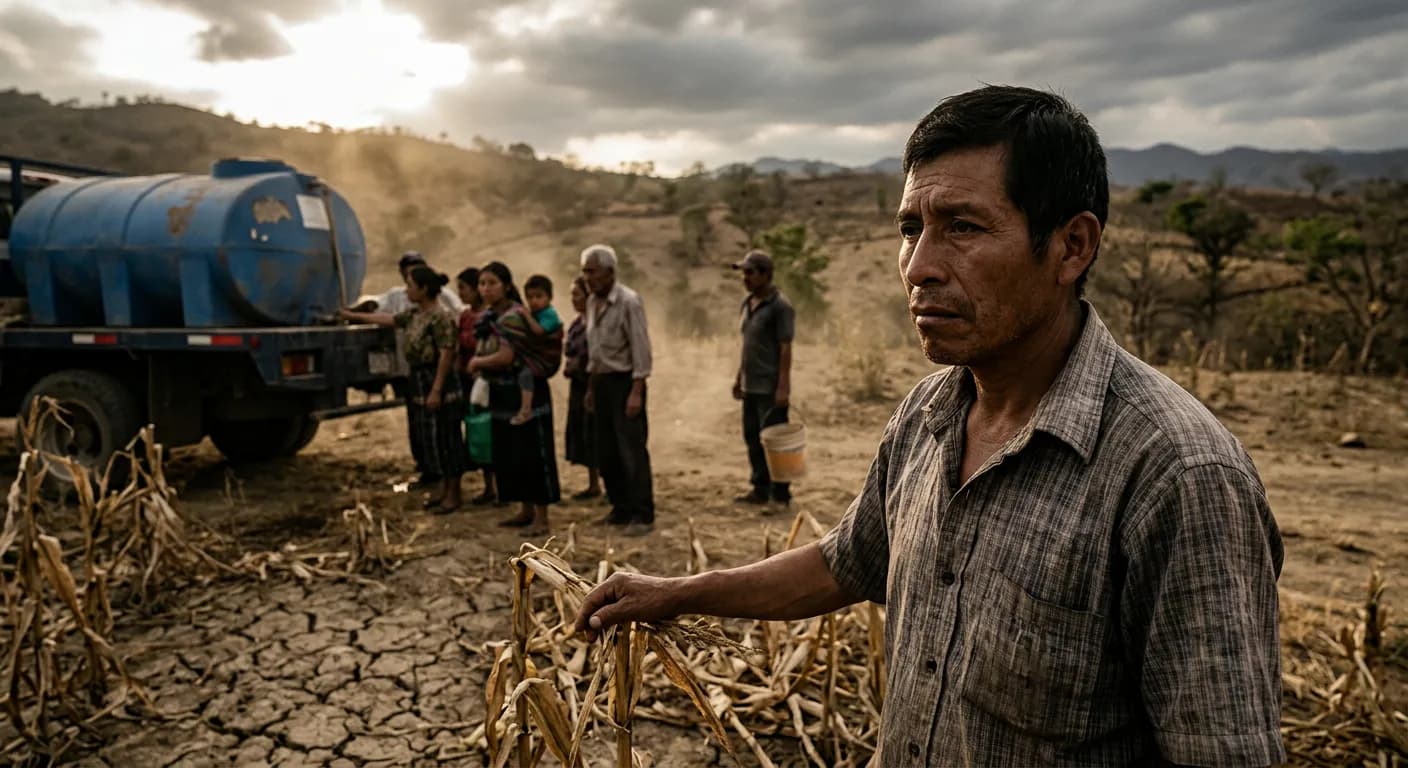
Guatemala: El Niño 2026–27 becomes regional security test
UNICEF: 25.8M children face El Niño risks in Latin America; Guatemala maps 188 municipalities for drought and food insecurity amid regional security test.

Economics
Fed's stress-test overhaul is a capital-smoothing exercise
Federal Reserve finalized stress-test overhaul: two-year averaging for bank capital buffers and public input, expected to halve volatility.