Trump’s Iran Mixed Signals Buy Time, Not Cert
Trump's shifting stance on Iran complicates negotiations.
Model Diplomat3 min readMiddle East
Trump’s Iran Mixed Signals Buy Time, Not Certainty
Trump is keeping Tehran guessing, but the shifting red lines on uranium, sanctions and the Abraham Accords suggest a deal still depends on his next move.
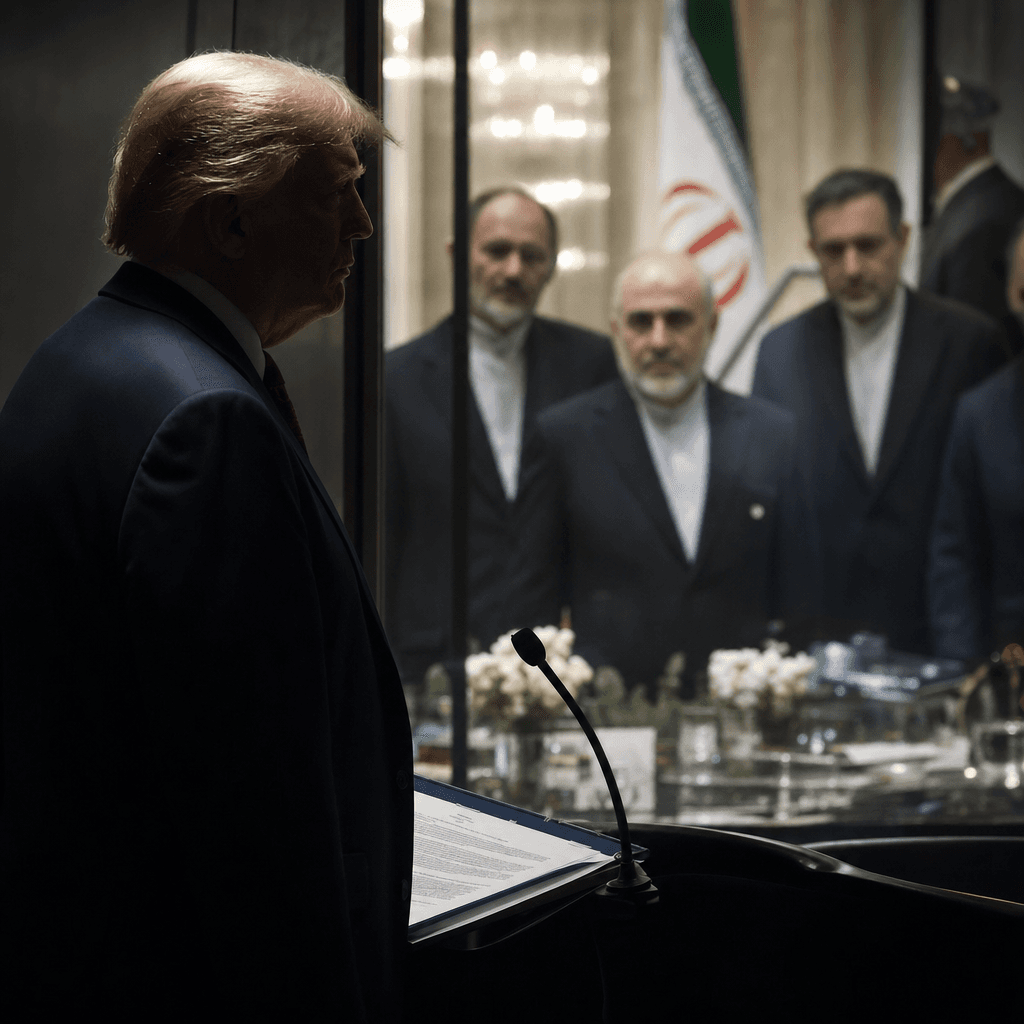
Trump spent Wednesday’s Cabinet meeting projecting confidence on Iran, yet the substance pointed the other way: the White House is still renegotiating its own terms. According to The Hill, the president alternated between hard lines — no confidence in Russia or China taking Iran’s enriched uranium, no enthusiasm for sanctions relief — and a looser stance, saying Iranian funds could be released if Tehran “behave[s] properly.” He also backed away from making fresh Abraham Accords demands a condition for an Iran deal, even after floating that idea earlier in the week. That is not policy clarity; it is leverage-by-ambiguity.
What Trump is trying to extract
The administration’s core objective is straightforward: reopen the Strait of Hormuz, stop the fighting from widening, and claim Iran’s nuclear program has been pushed back far enough for Trump to declare victory. AP reported that Secretary of State Marco Rubio said talks would take “several more days,” while
NPR said the emerging framework could send Iran’s stockpile of highly enriched uranium to a third country or have some of it diluted over a 60-day period. That buys Washington time, but it also means the hardest questions are being kicked into later rounds.
The power dynamic is lopsided but unstable. Trump holds the military pressure and the sanctions architecture; Iran still holds the ability to slow shipping and complicate regional security. Each side is using the talks to avoid looking like the weaker party. The White House wants a deal that lowers oil prices and calms Republican anxiety ahead of the midterms; Tehran wants sanctions relief without appearing to surrender its deterrent.
The real obstacle is not the headline issue
The uranium dispute is only part of the problem. The Hill said Iranian negotiators want any deal to cover Lebanon as well, because Israel is still striking there and Hezbollah remains in play. That creates a broader bargain than Washington has publicly admitted. Meanwhile, Trump’s Abraham Accords push — first as a regional bonus, then as an implied condition, then back to “I don’t want to say that” — shows how quickly the administration is trying to stack a nuclear issue onto a regional normalization agenda.
That is where the deal becomes fragile. BBC reported that Trump told negotiators not to rush, while Iran’s foreign ministry said an agreement was “not imminent.”
AP also noted pushback from Republican hawks who think the terms are too generous. So Trump is not just bargaining with Tehran; he is managing a skeptical party coalition and trying to keep
United States politics from overpowering foreign policy.
What to watch next
The next decision point is whether Trump turns his rhetorical flexibility into a narrowed, enforceable text — or keeps expanding the bargain until it breaks. Watch for three things over the next few days: whether Rubio’s “several more days” becomes a real deadline, whether Iran agrees to a third-country transfer or dilution plan for its uranium, and whether Lebanon gets formally folded into the package. If those pieces do not line up, the most likely outcome is not peace — just another extension of managed uncertainty, with markets, Israel and the Global Politics calendar all waiting on Trump’s next sentence.
Discover more
Global Politics
Trump's Conflicting Messages on Iran War
Trump's mixed messages on Iran reflect a strategy of audience management, benefiting Tehran amid a complex geopolitical landscape.

Economics
Fed's Amex AML order puts correspondent banking on notice
Federal Reserve's Amex AML order requires board-level controls and a 90-day plan; OCC fined the bank $350 million over enterprise-wide deficiencies.
Conflict & Security
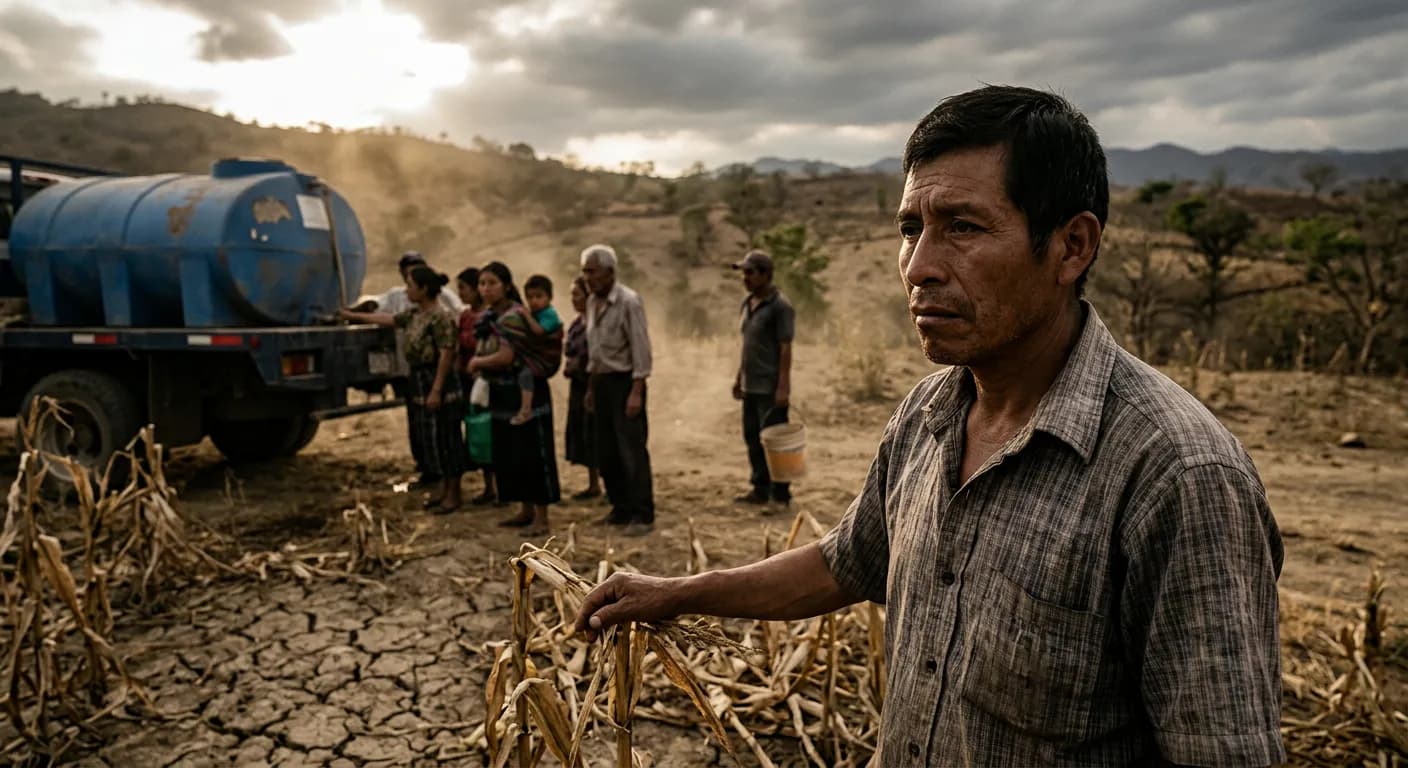
Guatemala: El Niño 2026–27 becomes regional security test
UNICEF: 25.8M children face El Niño risks in Latin America; Guatemala maps 188 municipalities for drought and food insecurity amid regional security test.

Economics
Fed's stress-test overhaul is a capital-smoothing exercise
Federal Reserve finalized stress-test overhaul: two-year averaging for bank capital buffers and public input, expected to halve volatility.