Trump's Iran Deal
Trump signals flexibility, but uranium demands persist.
Model Diplomat3 min readMiddle East
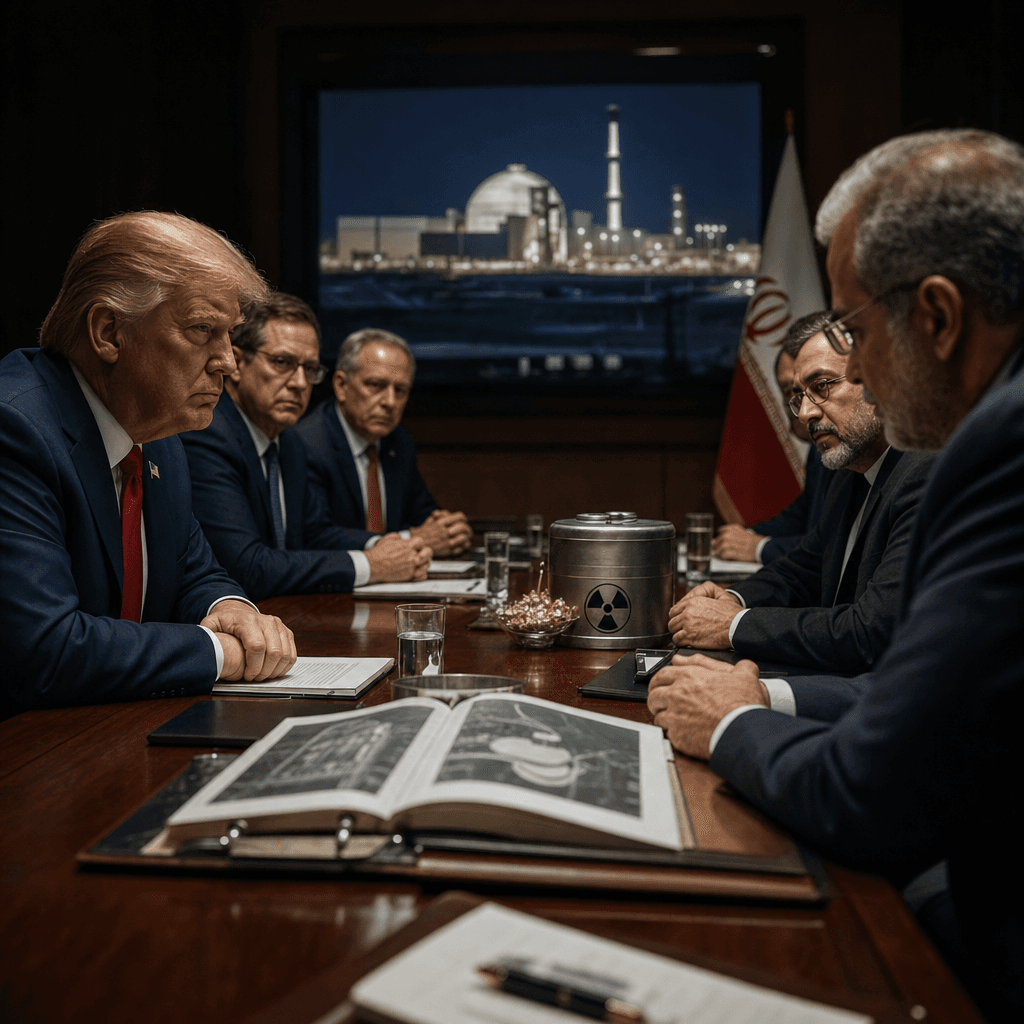
Trump’s Iran Opening: Deal Near, but Uranium Stays Central
Trump is signaling flexibility on the timetable, not on the core demand: Iran can get sanctions relief only if it gives up the leverage that keeps its nuclear programme alive.
Donald Trump says the United States and Iran are “very close” to a deal, while repeating that Tehran must not obtain nuclear weapons, according to BBC News Pashto and BBC News English coverage of his remarks (BBC News Pashto,
BBC News). That is the real power dynamic: Washington is offering a diplomatic off-ramp, but it is still demanding the one concession Iran treats as a red line — control over its enriched uranium stockpile and, by extension, its breakout capacity (
Reuters).
What Trump is trying to lock in
Trump’s public message is designed to squeeze Tehran and reassure Israel at the same time. On one hand, he is telling reporters and allies that a deal is close; on the other, he is keeping the threat of renewed strikes in the background, which gives his diplomacy teeth (BBC News,
Al Jazeera). That matters because the US is not negotiating from a position of neutrality. It is using sanctions, blockade pressure, and the prospect of military escalation to force a nuclear outcome it can sell as a victory.
The reported sticking point is uranium. Reuters reported that Iranian sources say Supreme Leader Mojtaba Khamenei has ordered that Iran’s highly enriched uranium should not leave the country, and that top officials see removal of the stockpile as making Iran more vulnerable to future US and Israeli attacks (Reuters). That is not a technical detail; it is the center of gravity. If Iran gives up the stockpile, it loses the fastest route to a weapon if the deal collapses. If it keeps it, Trump and Netanyahu say the agreement does not solve the problem.
Why Iran still has leverage
Iran’s leverage is not military parity with the US. It is the ability to make the deal expensive. BBC reported that Trump has tied progress to reopening the Strait of Hormuz and to assurances that Iran will never get a nuclear weapon (BBC News). That tells you where Tehran’s bargaining power sits: the Strait, enriched uranium, and time. Iran can slow shipping, complicate regional security, and force Washington to choose between escalation and compromise.
That is why the current phase looks less like a breakthrough than a managed standoff. Al Jazeera reported that the sides are “largely negotiated” on a memorandum of understanding, but the hard issues — nuclear limits, the fate of the stockpile, and the timing of sanctions relief — are still unresolved (Al Jazeera). For
Global Politics, the significance is straightforward: this is not a peace settlement yet; it is an attempt to freeze escalation while both sides test whether the other will blink first.
What to watch next
The next decision point is whether mediators can turn a framework into a signed text. Reuters said a preliminary arrangement could trigger about 30 days of detailed negotiations, while Iranian officials have indicated the technical questions may be pushed into a later stage (Reuters,
Al Jazeera). Watch for three signals: whether Trump softens on the uranium demand, whether Iran accepts a third-party formula, and whether the Strait of Hormuz stops being treated as a bargaining chip. If those do not move, the diplomacy is likely to stall again — and quickly.
Discover more
Global
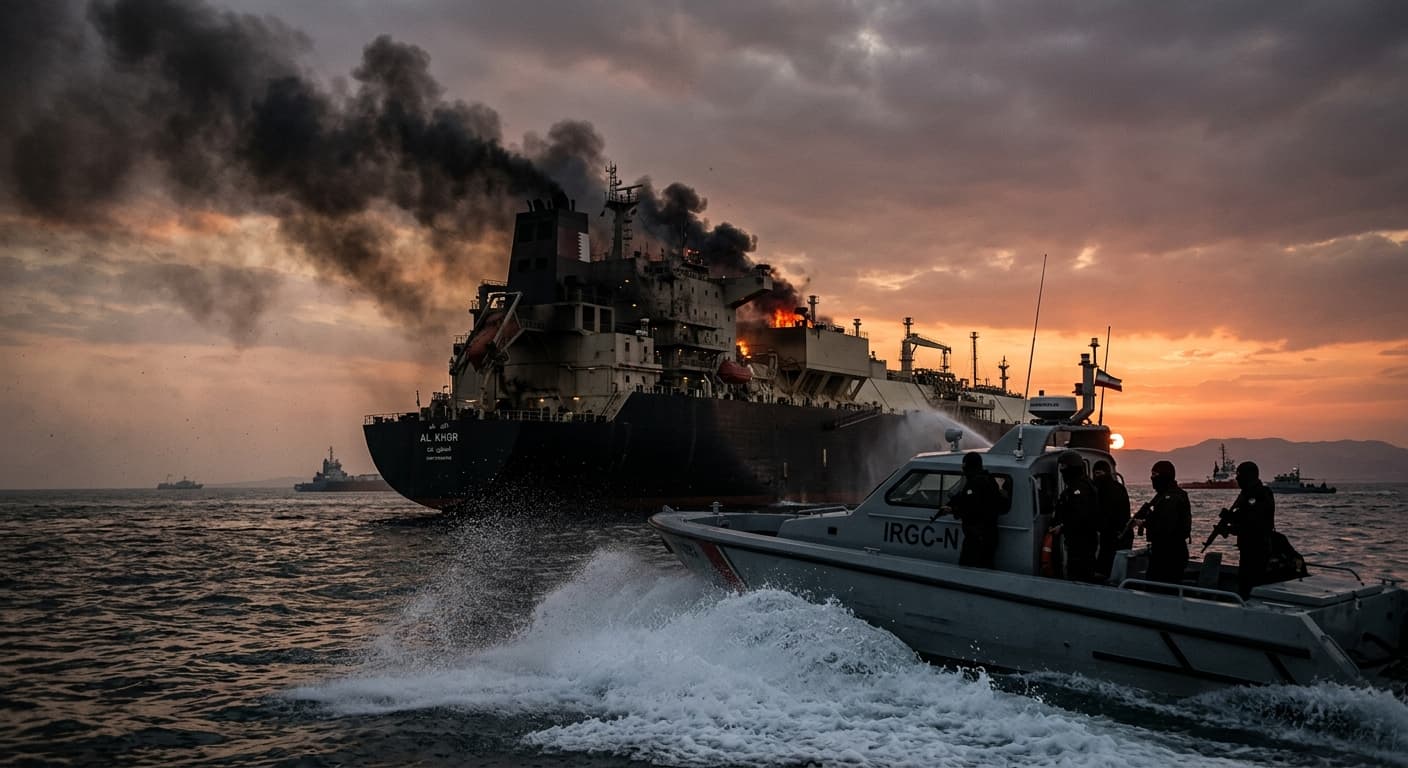
Qatari Tanker Strike Exposes Hormuz Tensions
A Qatari tanker was struck off Oman, revealing the fragility of the Hormuz ceasefire and Iran's influence over maritime security.
Global
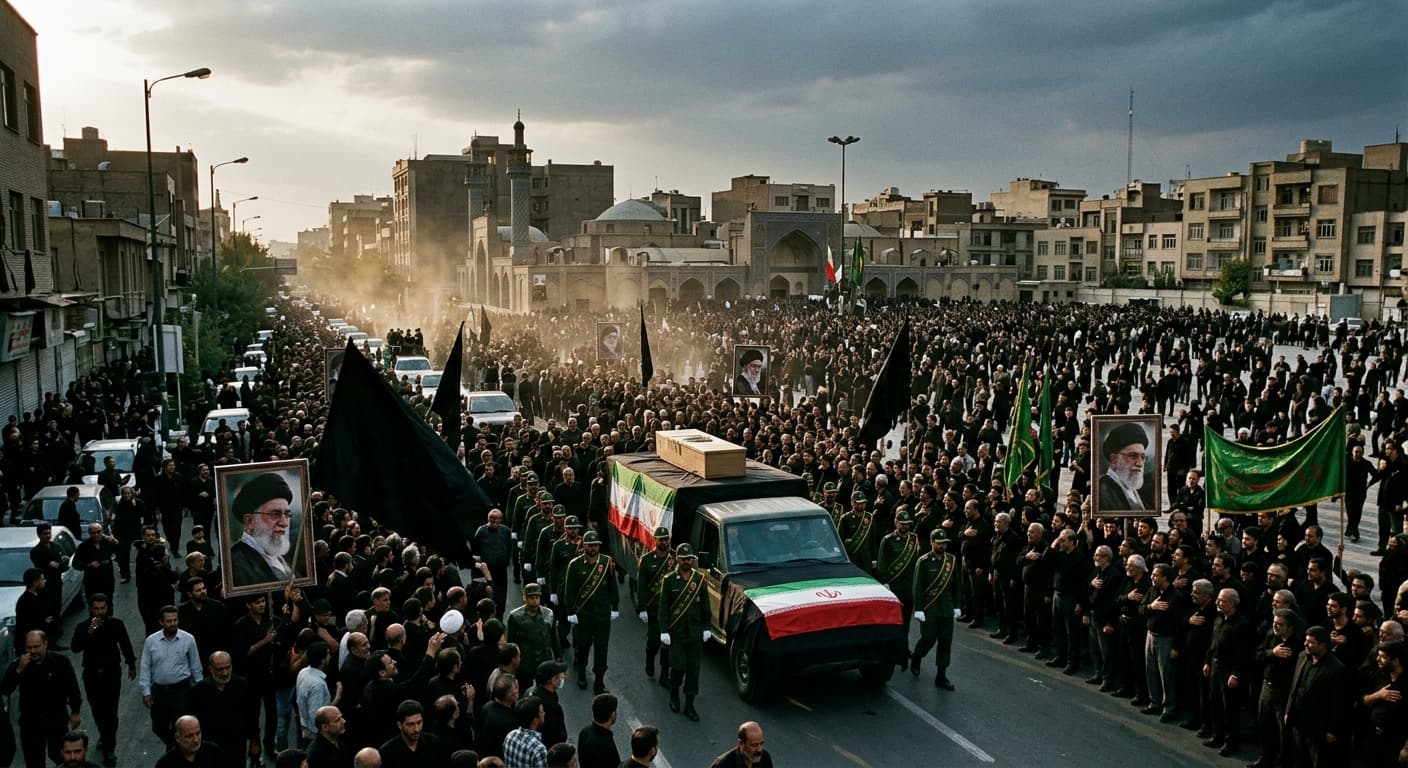
Khamenei's Funeral Signals Iran's Decline
The funeral of Ayatollah Khamenei highlights Iran's diminished influence in the Gulf, with regional powers now dictating terms.
Global
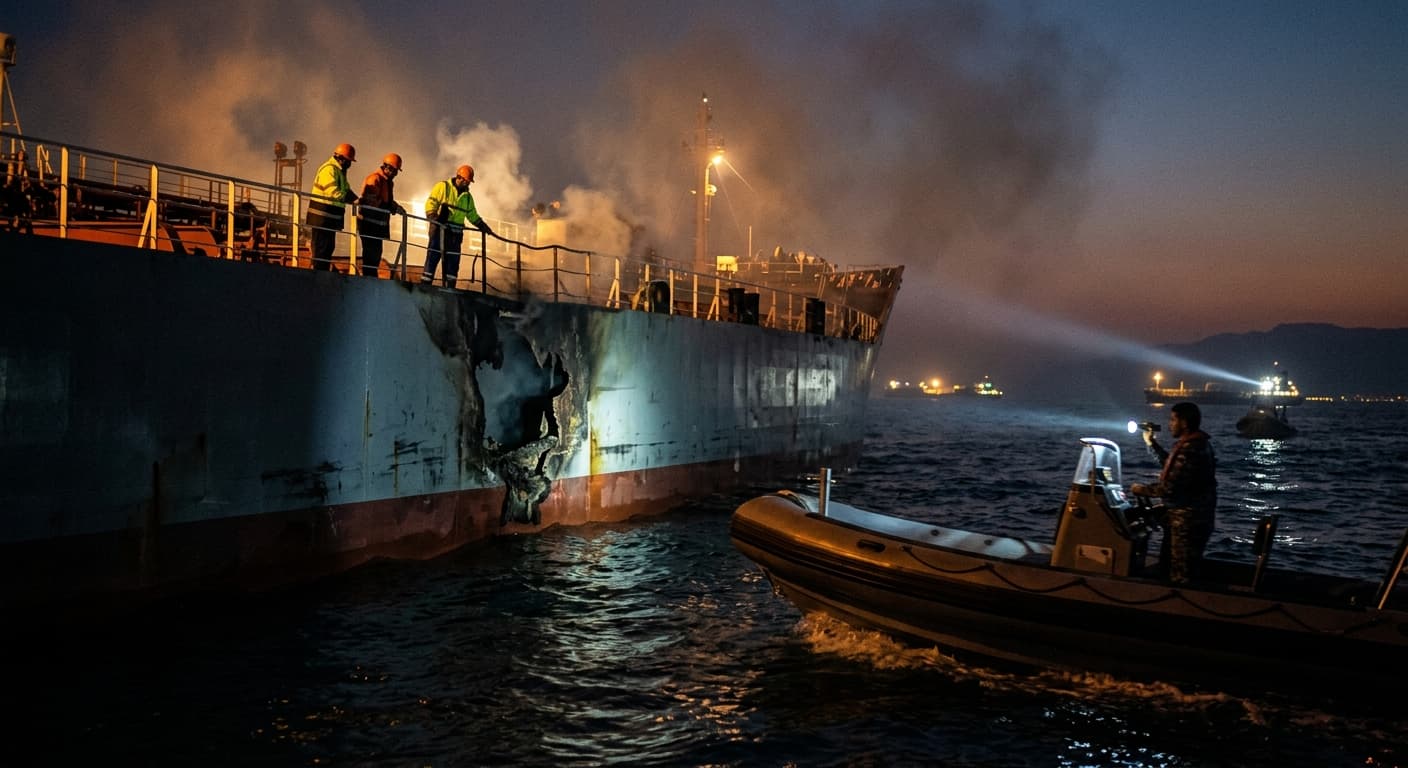
Iran's Hormuz Missile Strikes: A Toll Booth
Iran's missile attack on a Qatari-linked tanker highlights Tehran's strategy to control the Strait of Hormuz, impacting Gulf states and maritime law.
Tech Policy
Iran's Cavern Manticore Targets Israel's IT
Cavern Manticore, an Iran-linked hacking group, targets Israeli IT vendors, prompting a shift in Israel's cybersecurity policy and legislative efforts.