Trump’s Iran Deal Leaves Democrats Asking
Debate over the effectiveness of Trump's Iran negotiations heats up.
Model Diplomat3 min readNorth America
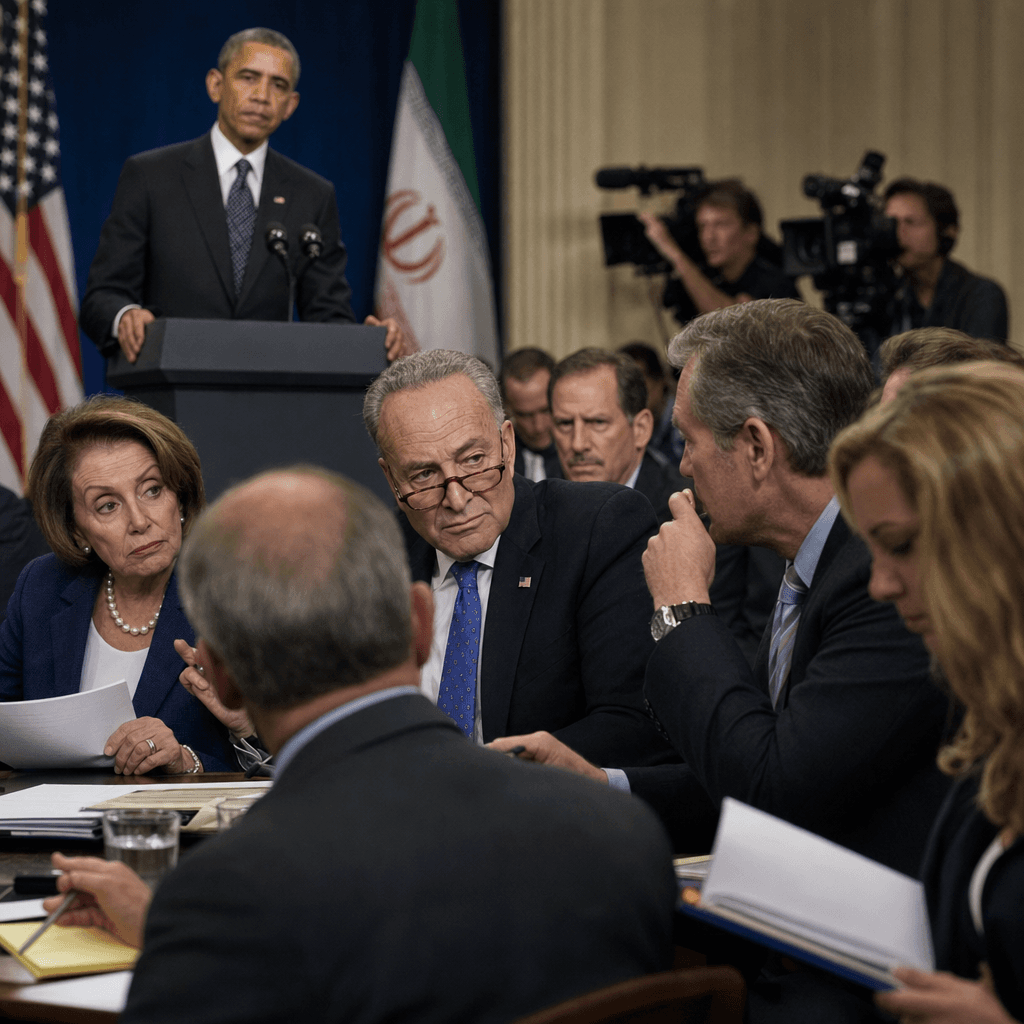
Trump’s Iran Deal Leaves Democrats Asking: What Won?
Trump says he is close to a deal with Iran, but critics argue the real test is whether Washington extracted anything beyond a pause in fighting and a promise on Hormuz.
President Donald Trump is trying to turn military pressure into a diplomatic win, but the first public reaction shows the leverage is still unsettled. On CNN, Rep. Debbie Wasserman Schultz pressed the administration’s Iran proposal by asking, in effect, what has been accomplished (CNN). That question goes to the core of the deal: if the White House is announcing progress before the text is final, it is betting that the politics of “ending the war” will outrun scrutiny of the concessions.
Trump has the headline — not yet the proof
The White House says the U.S. and Iran are close to a finalized agreement that would end the war and reopen the Strait of Hormuz, the chokepoint through which roughly 20% of the world’s oil flows (CBS News). But even CBS noted that Trump is warning the administration will not rush to sign anything, which suggests the president still wants room to bargain over the last-mile terms (
CBS News).
That is the power dynamic: Trump wants to claim he forced Tehran into a deal after applying military and economic pressure; Iran wants relief without surrendering all leverage, especially if nuclear material remains on its territory. Reuters, via Awani International, reported that Democrats are dismissing the emerging terms as too close to the pre-war status quo, while Republicans are split between backing Trump’s approach and worrying he may be conceding too much (Awani International / Reuters).
Democrats are attacking the bargain, not the concept
That matters because Trump does not just need an agreement; he needs one he can defend as a win. Sen. Chris Van Hollen called the reported outline “the pre-war status quo” and called the whole exercise a “blunder,” while Sen. Cory Booker went further, saying Trump was being “played as a fool” (Awani International / Reuters). Those are not procedural objections. They are arguments that the administration may be trading away sanctions leverage, battlefield gains, or both, without forcing Iran into a meaningful nuclear rollback.
Republicans are not fully aligned either. Rep. Mike Lawler praised Trump for forcing Iran into “a real negotiation,” while Sen. Bill Hagerty said any deal must have “strict” and enforceable terms to block an Iranian path to a nuclear weapon (Awani International / Reuters). Sen. Thom Tillis, usually a Trump skeptic rather than a loyalist, flagged the biggest internal contradiction: the administration has reportedly moved from saying Iran’s defenses were “obliterated” to accepting a posture that may leave Iranian nuclear material in place (
Awani International / Reuters).
What to watch next
The next decision point is whether the White House can convert “broad principles” into a text that looks enforceable on enrichment, sanctions relief, and Hormuz security (CBS News). If it cannot, Trump gets the weakest version of the deal politically: the claim of diplomacy without the hard evidence of restraint. If it does, Iran may still emerge with room to argue it preserved enough of its program to survive the war.
Watch the next public readout from the White House and any Senate Foreign Relations reaction. That is where the balance of power will show up first — in whether lawmakers are handed a done deal, or an opening to attack one.
Discover more

Global Politics
Sterling Slides as Iran Deal Odds Reprice
Sterling fell as hopes for a quick Iran deal faded, rattling currency markets and lifting oil prices as traders repriced the odds of a near-term breakthrough.
Conflict & Security
Trump's Iran Deal Efforts via Pakistan Meddle
Trump claims an Iran deal is near, but Pakistan's mediating role exposes deeper Middle East tensions shaping the diplomacy behind the proposed agreement.
US Politics
Rand Paul Backs Trump’s Iran Deal Against GOP
Rand Paul defends Trump's Iran deal against GOP hawks, arguing diplomacy beats war and exposing a foreign-policy rift over how Republicans should treat Tehran.

Economics
Fed's Amex AML order puts correspondent banking on notice
Federal Reserve's Amex AML order requires board-level controls and a 90-day plan; OCC fined the bank $350 million over enterprise-wide deficiencies.