Sterling Slides as Iran Deal Odds Reprice
Pound traders react to shifting Iran-US deal expectations
Model Diplomat3 min readGlobal

Sterling Slides as Iran Deal Odds Reprice Fast
Pound traders are back to pricing the Middle East risk premium: when a quick Iran-US deal looks less likely, the dollar firms and sterling loses ground.
Sterling fell after Washington and Tehran signaled that a rapid breakthrough was unlikely, with Reuters reporting the pound last down 0.2% at $1.348 after Monday’s risk-on rally faded, and the euro up 0.2% against sterling to 86.36 pence (Reuters). The message from the market is blunt: the currency is trading geopolitics, not just UK macro data. When hopes rise for an agreement that would reduce risk around the Strait of Hormuz, sterling gets a lift; when those hopes are walked back, the safe-haven dollar catches a bid.
The market is repricing the ceasefire, not just headlines
The immediate trigger was the latest round of mixed signaling. Reuters said U.S. President Donald Trump had on Saturday claimed a deal was “largely negotiated,” only to row that back, while Secretary of State Marco Rubio later said an agreement could “take a few days,” which cut against expectations of an imminent outcome (Reuters). Iran then poured cold water on the timeline, saying a deal was “not imminent,” even while acknowledging progress on many issues (
BBC News).
That sequencing matters. FX markets do not wait for formal communiqués; they trade the probability of the next headline. Sterling’s move is less a judgment on Britain than a signal that investors are rotating out of the “peace premium” they had briefly priced in on Monday. The pound has been unusually exposed because the Iran file has become a proxy for global risk appetite, and Reuters noted it has wavered throughout the conflict as investors bought and sold the dollar on shifting peace expectations (Reuters).
Hormuz is the real leverage point
The substance behind the currency move is the Strait of Hormuz. BBC reporting said around a fifth of the world’s oil and liquefied natural gas usually passes through the waterway, and that oil prices had already fallen sharply on hopes of a deal that would reopen it (BBC News). That is why the negotiations matter far beyond Tehran and Washington: Iran’s ability to disrupt shipping gives it leverage over energy prices and, by extension, global financial conditions.
For the U.S., the deal would reduce pressure on energy markets and lower the political cost of a prolonged confrontation. For Iran, the bargaining chip is obvious: easing transport risks in exchange for sanctions relief, asset access, or room to negotiate later on the nuclear file. Reuters’ sister coverage in market wires pointed to that structure directly: the market had been betting on reopened shipping lanes, while the unresolved terms remained the real sticking point (Reuters). The beneficiaries of a deal are clear: importers, shippers, and central banks trying to keep a lid on inflation. The losers are the actors who have profited from scarcity and uncertainty.
For Britain, this is a second-order but real exposure. A softer pound can cushion exporters, but if oil and transport costs stay elevated, the squeeze feeds through to inflation and complicates Bank of England policy. That is why sterling can fall even when the UK story itself has not changed.
What to watch next
The next decision point is whether Washington and Tehran can turn “progress” into a signed framework, or whether they slip back into open-ended talks. Watch for two dates and one variable: the next U.S.-Iran statement, any follow-up from Rubio or Trump, and whether oil and shipping markets continue to discount a fast reopening of Hormuz. If the deal keeps slipping, the dollar should stay supported and sterling vulnerable; if the parties lock a timetable, the pound likely gets its relief bounce back.
Discover more
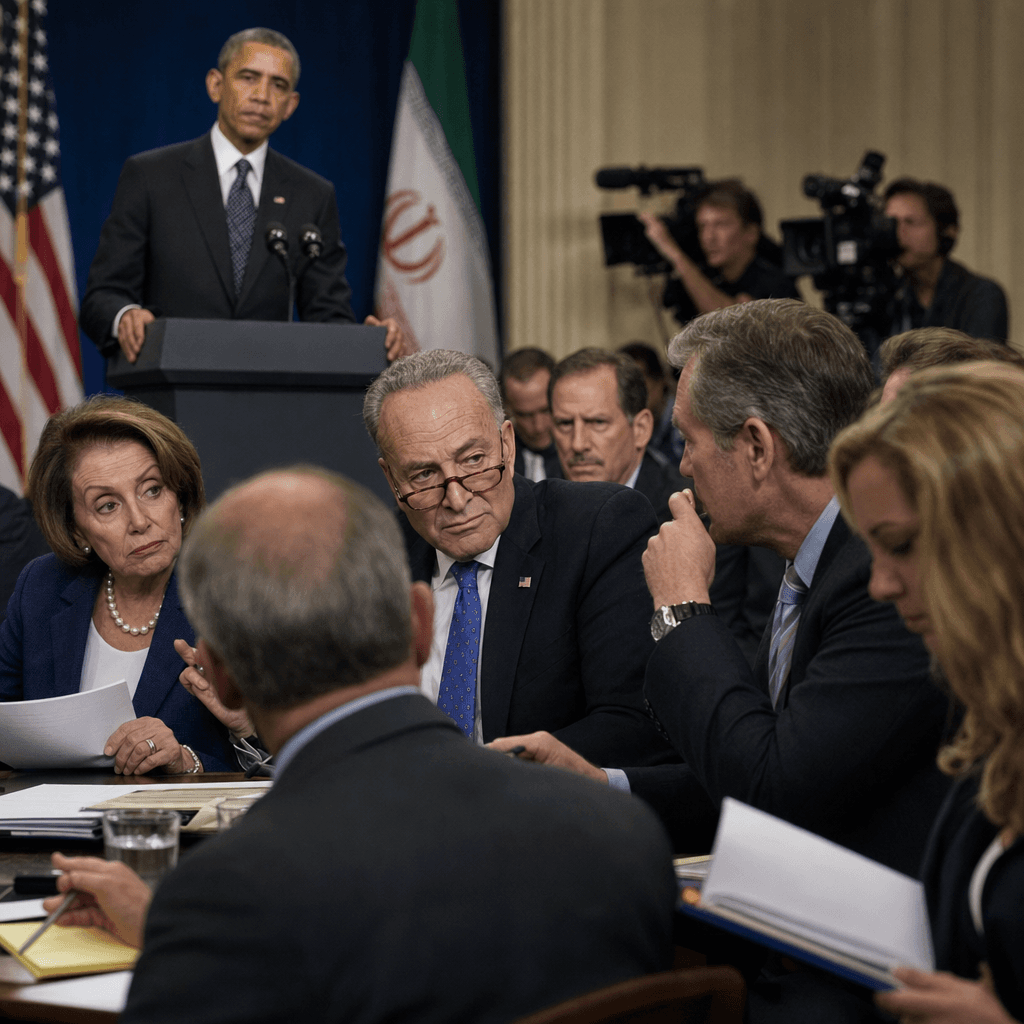
US Politics
Trump’s Iran Deal Leaves Democrats Asking
Trump's Iran deal is drawing sharp scrutiny as Democrats question its effectiveness, raising doubts over the agreement's durability and Middle East impact.
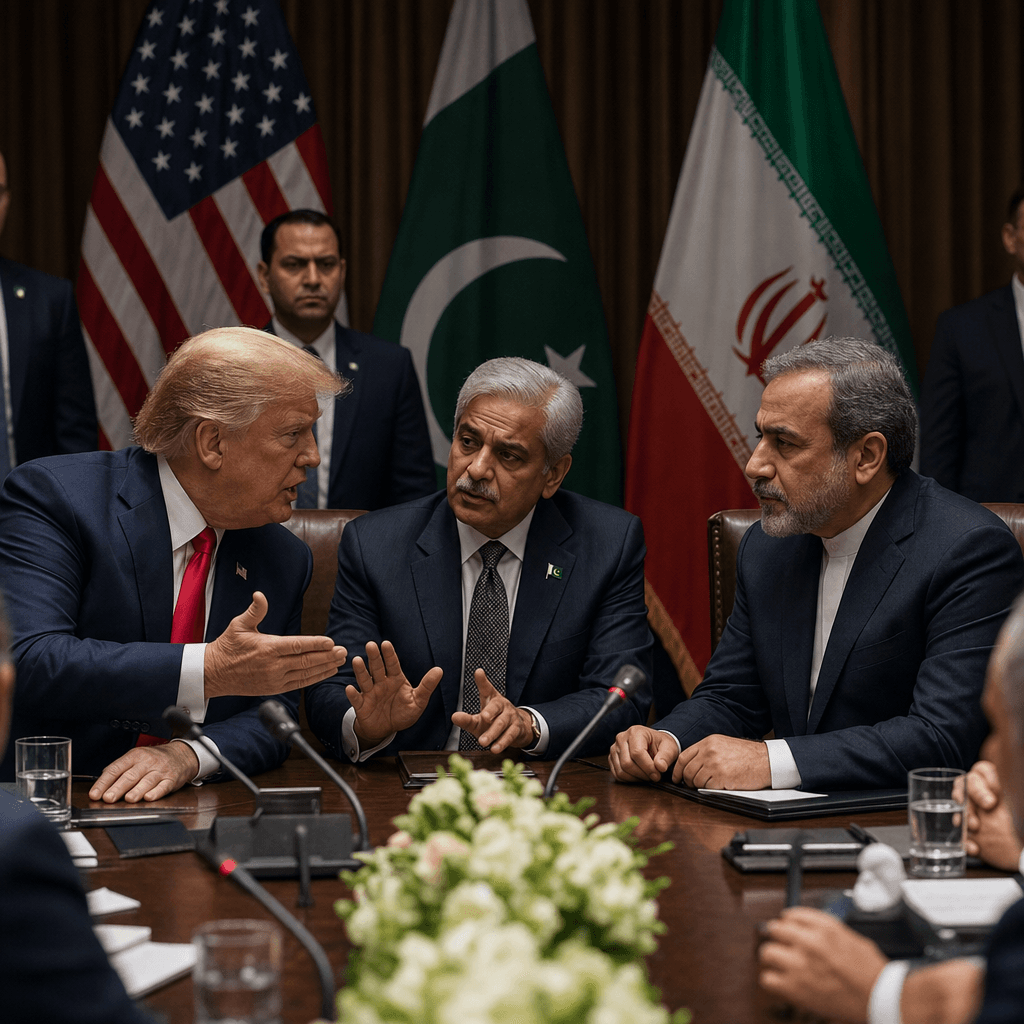
Conflict & Security
Trump's Iran Deal Efforts via Pakistan Meddle
Trump claims an Iran deal is near, but Pakistan's mediating role exposes deeper Middle East tensions shaping the diplomacy behind the proposed agreement.
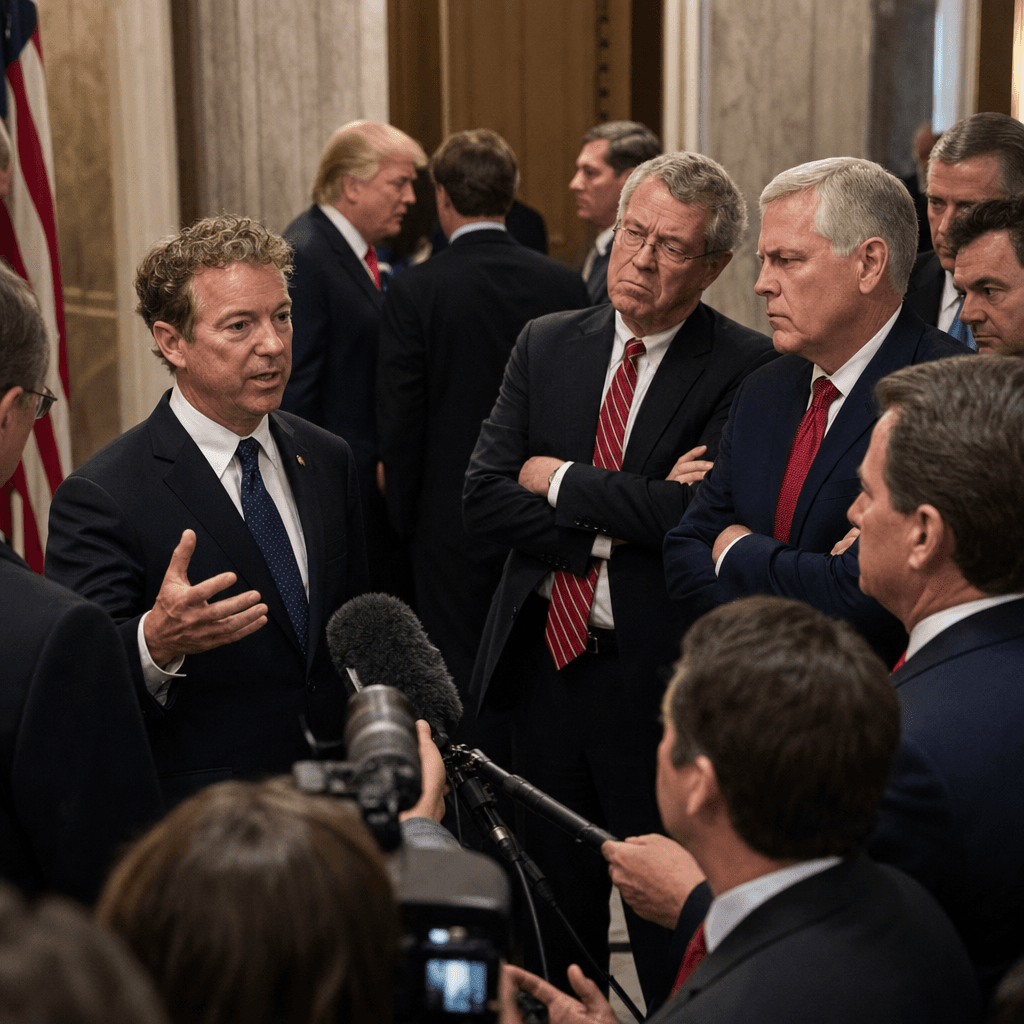
US Politics
Rand Paul Backs Trump’s Iran Deal Against GOP
Rand Paul defends Trump's Iran deal against GOP hawks, arguing diplomacy beats war and exposing a foreign-policy rift over how Republicans should treat Tehran.

Economics
Fed's Amex AML order puts correspondent banking on notice
Federal Reserve's Amex AML order requires board-level controls and a 90-day plan; OCC fined the bank $350 million over enterprise-wide deficiencies.