Trump's Iran Deal
Exploring the strategic significance of the Strait of Hormuz
Model Diplomat3 min readMiddle East
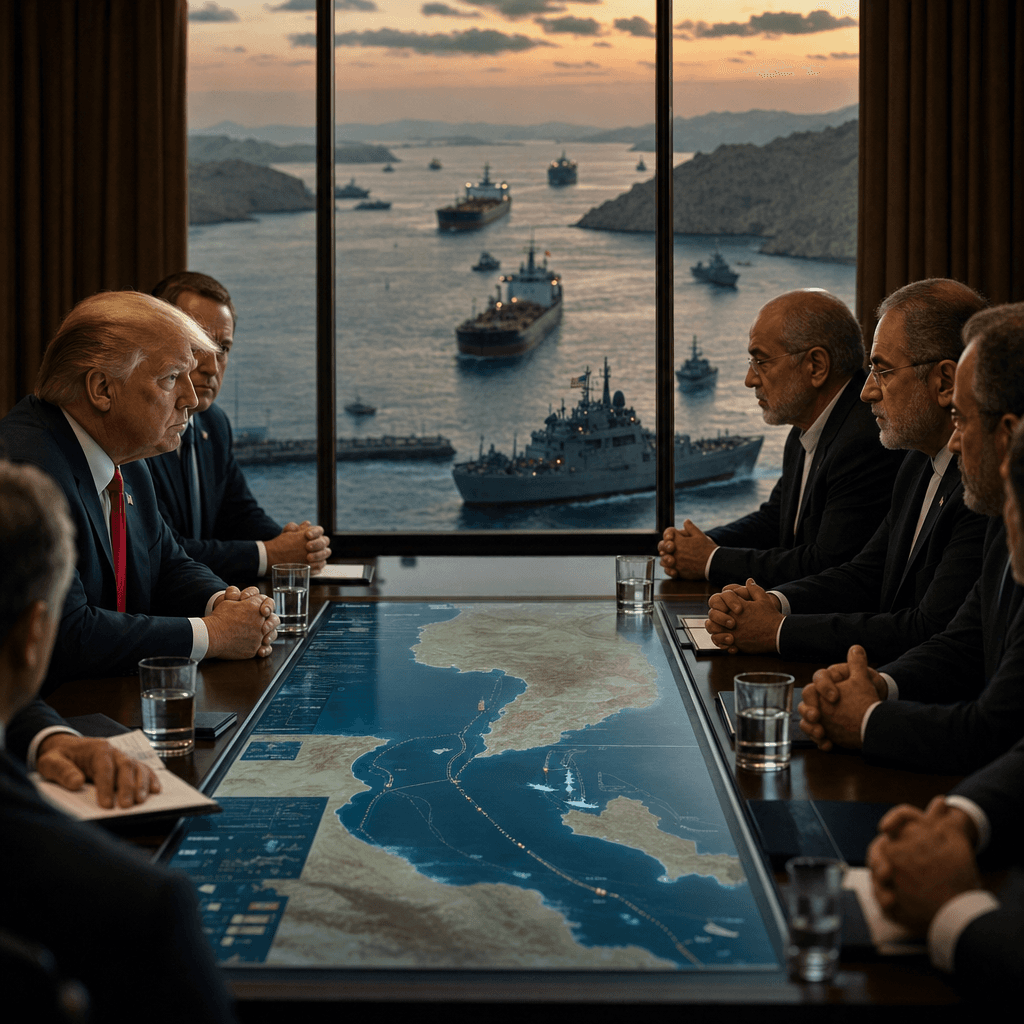
Trump’s Iran opening still rests on Hormuz
[Washington is pressing for a narrow ceasefire framework; Tehran is using the Strait of Hormuz to bargain for sanctions relief and a better security end-state.]
Washington and Tehran are signaling movement toward a deal, but the leverage is still hard power: Trump is threatening to resume strikes while Iran holds the Strait of Hormuz and wants that pressure converted into a formal end to the war, not just a pause. France 24 reported “significant movement” as both sides described progress;
BBC News said Trump called the agreement “largely negotiated,” while
Al Jazeera reported he said final details were still being worked out.
The leverage is Hormuz
This is not a conventional peace deal. It is a bargaining race over who blinks first on the most consequential chokepoint in the Gulf. Trump told reporters the agreement would include reopening the strait and prevent Iran from getting a nuclear weapon, according to BBC News. Iran’s foreign ministry, by contrast, is treating the talks as a framework exercise: spokesman Esmaeil Baqaei said the sides were drafting a memorandum of understanding built around 14 points and that final talks could still take 30 to 60 days,
BBC News reported.
That sequencing matters. Tehran is trying to lock in a stop to the war, recognition of its control over the strait, and relief from the US blockade before giving ground on the nuclear file. Washington wants the opposite: reopen shipping, preserve coercive pressure, and avoid a deal that looks like a concession under fire. The result is a fragile bargain where each side is claiming progress while still leaving the central issues unresolved. For the broader strategic picture, see Conflict.
Pakistan is the indispensable go-between
Pakistan has become the channel that makes the talks possible, and that gives Islamabad unusual diplomatic weight. Al Jazeera reported that army chief Asim Munir’s visit to Tehran was described by Pakistan’s military as “highly productive,” with “encouraging progress” made toward a final understanding. Marco Rubio, speaking in New Delhi, said “some progress” had been made and that Washington might have “something to say” in the coming days,
Al Jazeera reported.
This gives Pakistan a real but limited payoff. It can claim regional relevance and help avert another round of strikes, but it does not control the core tradeoff. The US still decides whether to keep the military option live. Iran still decides whether the price of a deal is lower than the price of continued confrontation. In other words, Islamabad can bridge gaps; it cannot close them.
What to watch next
The next decision point is immediate: Trump has signaled he may announce something “in the coming days,” according to BBC News, and
Al Jazeera says Tehran still sees “deep and significant” gaps. If the language on Hormuz stays vague, the deal is probably a ceasefire framework, not a settlement. If Washington insists on upfront nuclear concessions or Iran keeps the strait as a bargaining chip, the talks can still snap back to force.
Watch for three things: Trump’s next statement, Iran’s response through Pakistani mediators, and whether shipping rules in Hormuz are actually changed on the water. Those are the markers that will show whether this is a breakthrough or just the latest pause in a war that both sides still believe they can manage.
Discover more
Global
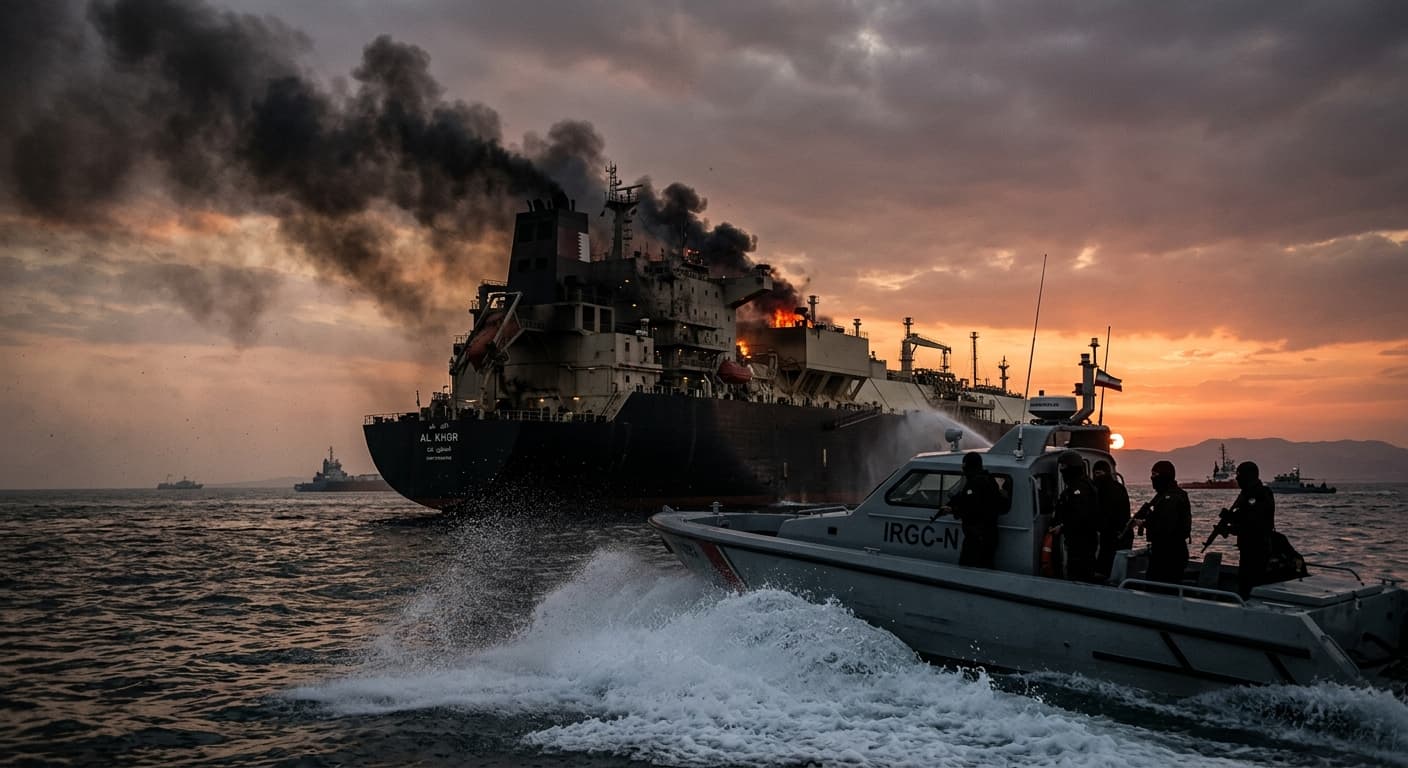
Qatari Tanker Strike Exposes Hormuz Tensions
A Qatari tanker was struck off Oman, revealing the fragility of the Hormuz ceasefire and Iran's influence over maritime security.
Global
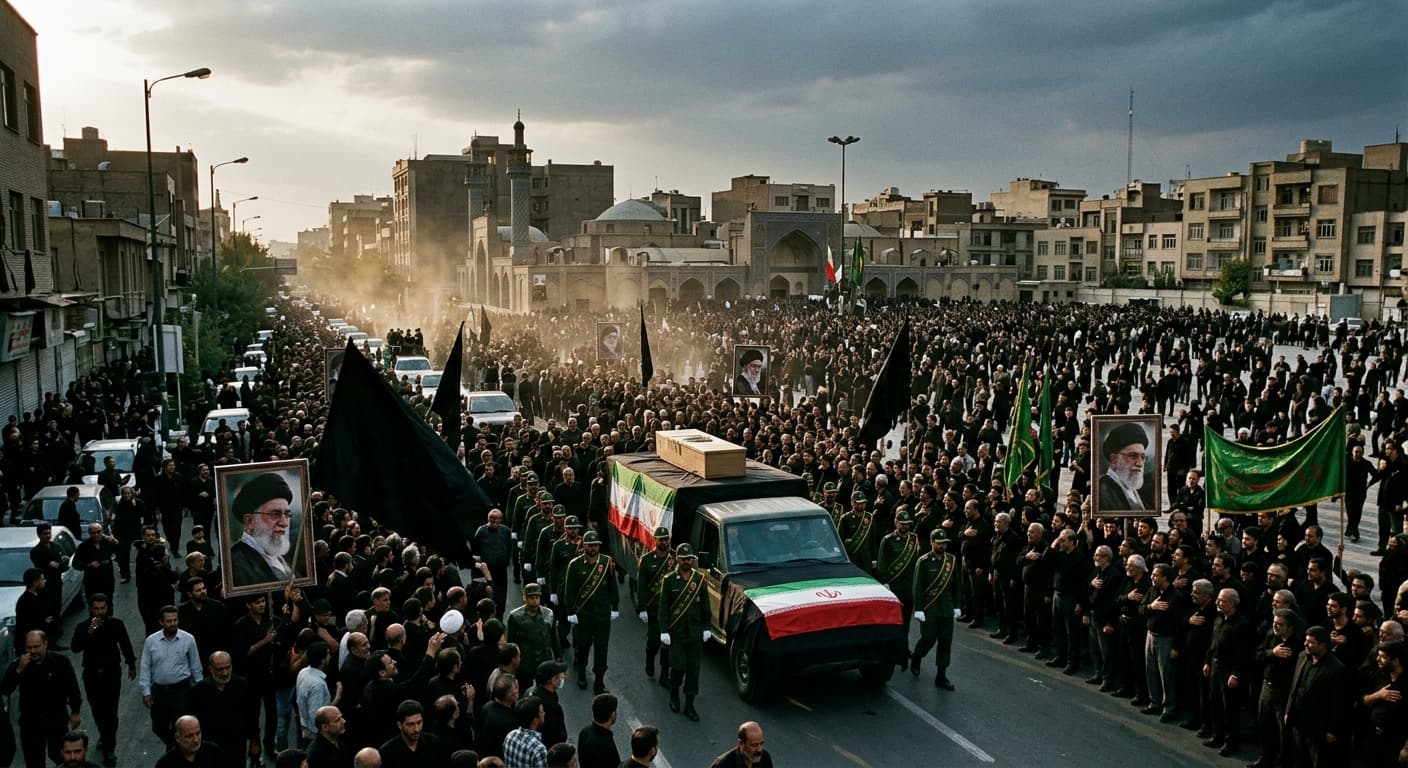
Khamenei's Funeral Signals Iran's Decline
The funeral of Ayatollah Khamenei highlights Iran's diminished influence in the Gulf, with regional powers now dictating terms.
Global
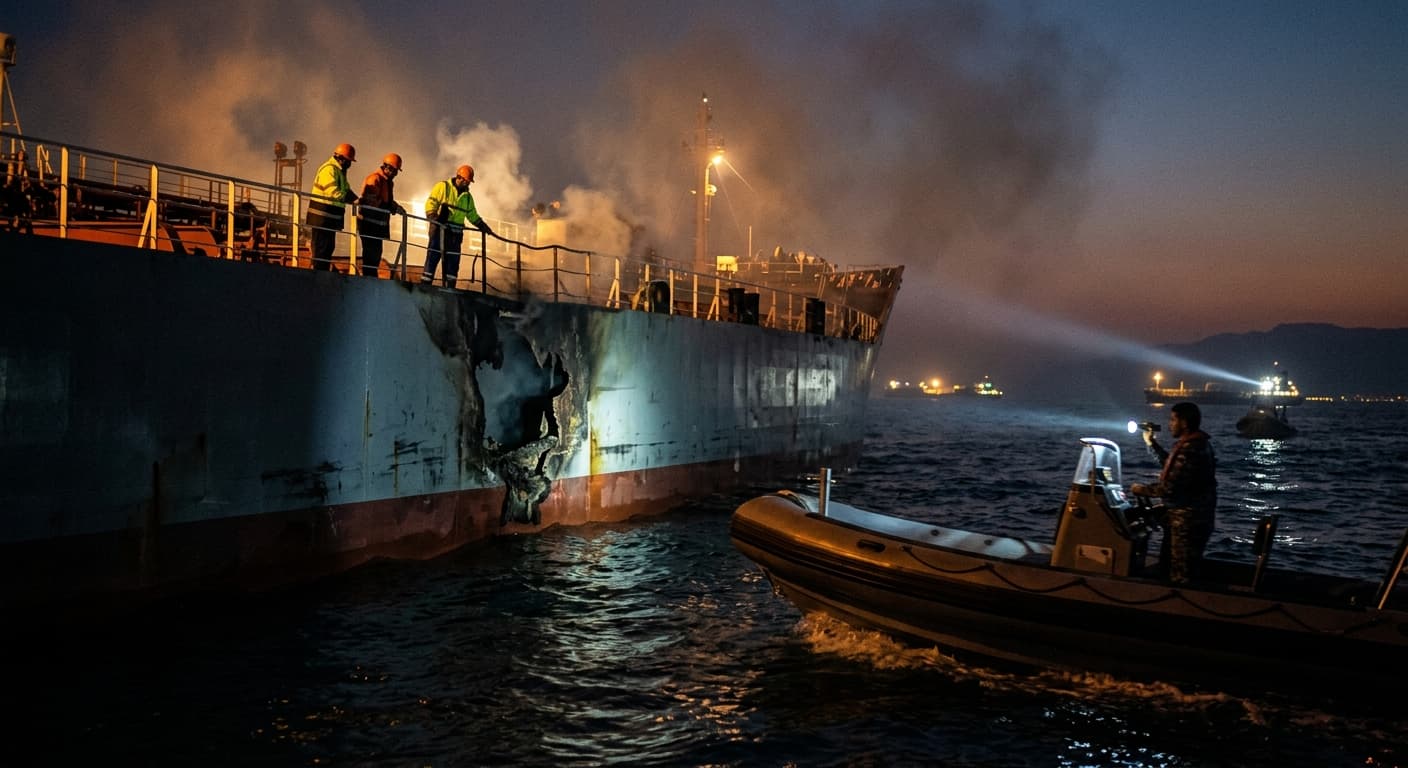
Iran's Hormuz Missile Strikes: A Toll Booth
Iran's missile attack on a Qatari-linked tanker highlights Tehran's strategy to control the Strait of Hormuz, impacting Gulf states and maritime law.
Tech Policy
Iran's Cavern Manticore Targets Israel's IT
Cavern Manticore, an Iran-linked hacking group, targets Israeli IT vendors, prompting a shift in Israel's cybersecurity policy and legislative efforts.