Trump's Iran Accord Framework
Trump's Iran deal signals a shift in negotiation dynamics.
Model Diplomat3 min readMiddle East
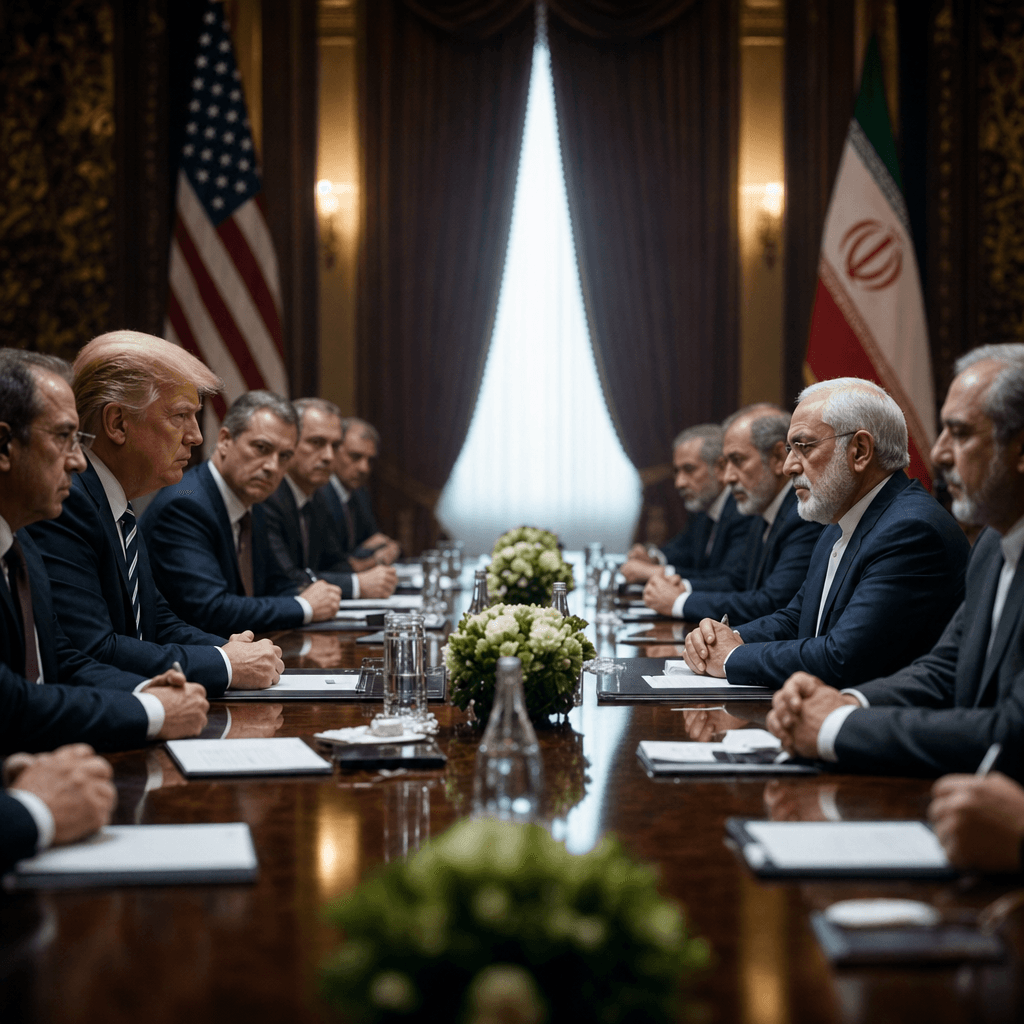
Trump’s Iran ‘Framework’ Leaves the Real Leverage Intact
Trump is selling progress on an Iran accord, but the strait, sanctions and nuclear terms still give both sides room to stall.
Trump’s latest message is not a breakthrough; it is a signal that the bargaining is entering its leverage phase. On Saturday, he said an agreement with Iran had been “largely negotiated” and would reopen the Strait of Hormuz, but remained subject to finalization by US and Iranian negotiators and “various other countries,” after calls with leaders from Qatar, Saudi Arabia, the UAE, Pakistan, Jordan, Egypt, Turkiye and Bahrain, plus Israeli Prime Minister Benjamin Netanyahu, Al Jazeera. Reuters reported that officials were working from a Pakistan-prepared framework that could be decided within 48 hours, with a phased sequence: end the war, deal with Hormuz, then open a 30- to 60-day window for a broader agreement,
Reuters.
The deal is really about coercion, not trust
This is why the headline matters. Trump is trying to turn a fragile ceasefire process into a political win before the details harden, while Iran is trying to lock in a framework that preserves room to maneuver. The sticking points are the ones that decide power, not phrasing: Iran’s nuclear programme, control over the strait, the US military presence, and access to frozen funds, Al Jazeera. On US terms, Rubio repeated that Iran cannot have a nuclear weapon, must hand over highly enriched uranium, and must allow the straits to stay open,
Reuters. Iran, for its part, is signaling that sanctions relief and a stop to military pressure are the price of any text it will sign,
AP.
Pakistan and the Gulf are the operating channel
Pakistan is emerging as the mediator with actual traction. Al Jazeera reported that army chief Asim Munir’s visit to Tehran was “highly productive” and that Iranian officials saw “encouraging progress” after his meetings, Al Jazeera. Reuters added that Islamabad is pushing a staged framework and still trying to organize a second round of direct talks,
Reuters. That puts Qatar, Saudi Arabia and the UAE in a familiar role: not authors of the deal, but guarantors of the regional fallback if negotiations fail. For the wider strategic picture, see
Global Politics and the
United States profile.
The beneficiary, if this sticks, is Trump: he gets a claim of de-escalation without having to concede the core US demand that Iran be denied a nuclear weapons pathway. The immediate loser is the hardline faction on both sides that has profited from keeping the war and the talks simultaneously alive. A framework also buys time for everyone else to keep markets calm while the real terms are still disputed, which is why the language matters less than the sequence.
What to watch next
Watch for two things in the next 48 hours: a Trump announcement and an Iranian response on the strait. Reuters said a decision could come within 48 hours, while Rubio said there could be something to say “later today, tomorrow, in a couple days,” Reuters. If no text lands quickly, the current “largely negotiated” line will look less like a deal and more like pressure designed to keep both sides talking under threat of renewed strikes,
Al Jazeera.
Discover more
Global Politics
Trump's Conflicting Messages on Iran War
Trump's mixed messages on Iran reflect a strategy of audience management, benefiting Tehran amid a complex geopolitical landscape.

Conflict & Security
Drone Warfare Killing Aid Workers at Unprec
Over 1,000 humanitarian workers killed in three years as cheap armed drones collapse legal protections. Gaza, Sudan, Ukraine, and DRC see deliberate targeting of aid convoys and hospitals with zero prosecutions.

Global
World Normalises Taliban as Afghan Women Eras
UN data shows Afghan women erased from public life as Russia recognises the Taliban, EU hosts officials in Brussels, and ICC warrants for gender persecution go unenforced.
Conflict & Security
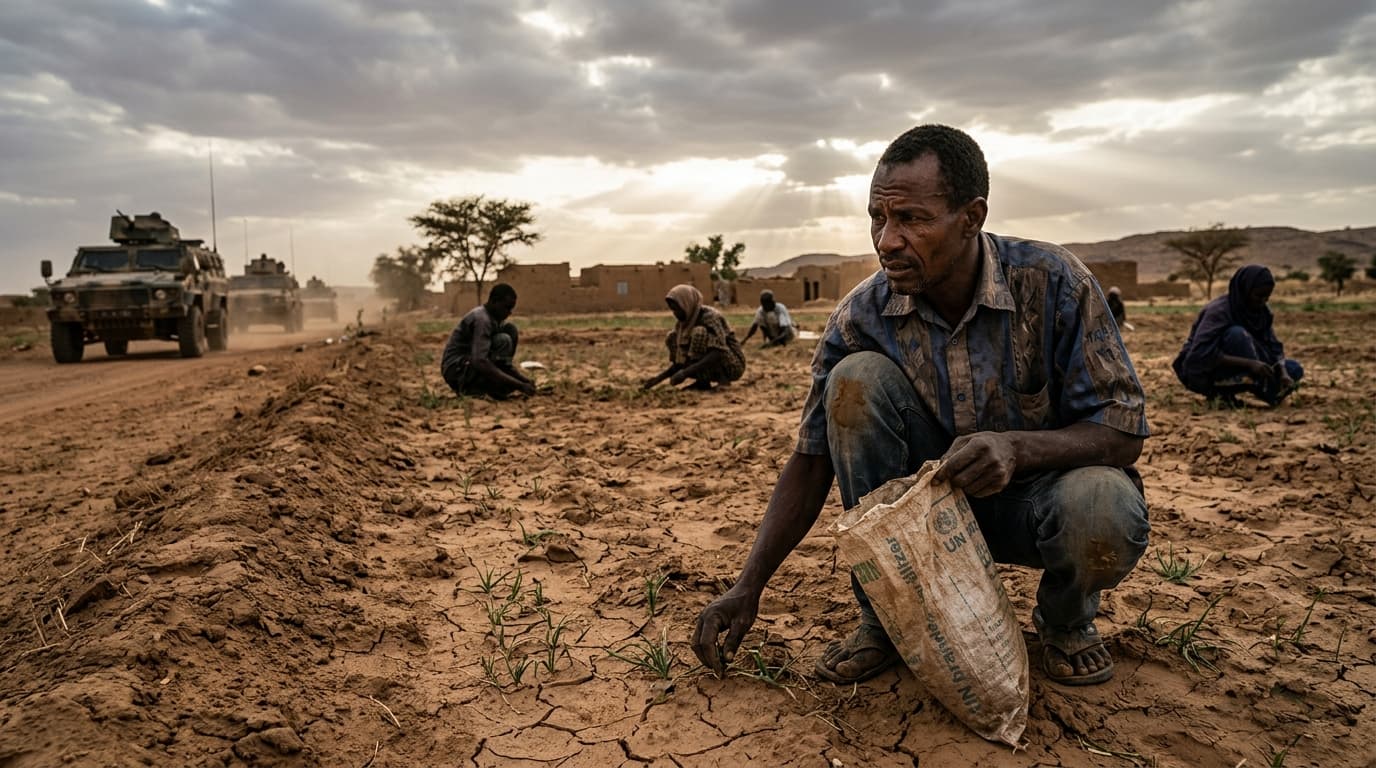
West Africa Food Crisis: Three Shocks in 2026
Conflict, climate extremes, and the Strait of Hormuz closure drive a severe food crisis in West and Central Africa, with fertilizer prices surging 80% and millions displaced.