Trump's HIV Cuts Risk Midterm Backlash
PEPFAR funding cuts pose challenges for Trump and Republicans.
Model Diplomat3 min readNorth America
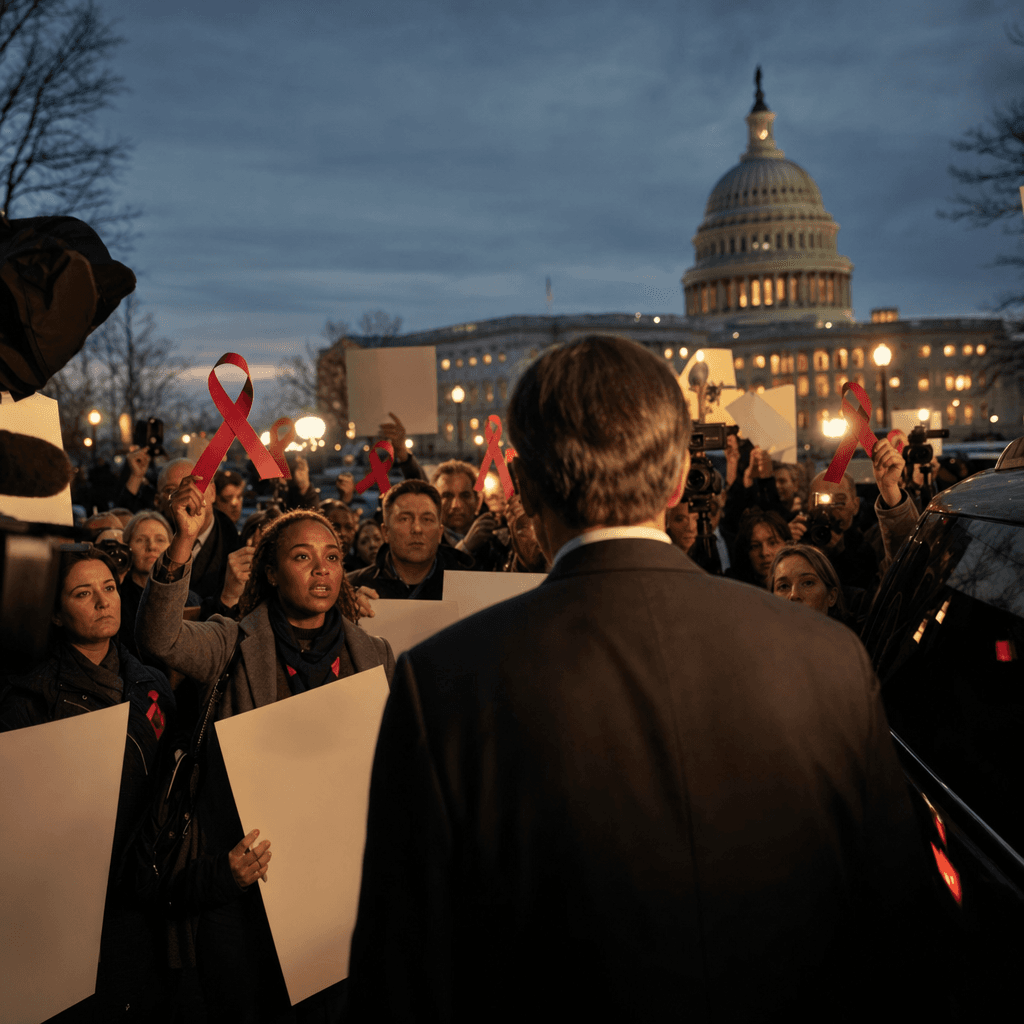
Trump’s HIV Cuts Meet a Popular Program — and a Midterm Risk
Polls show broad support for PEPFAR as Trump trims HIV funding, giving Democrats a clean attack line and Republicans a hard choice.
Voters still want PEPFAR funded, and that is the political trap for Trump. A recent poll cited by The Guardian found 74% of likely midterm voters support the U.S. President’s Emergency Plan for AIDS Relief, while 80% said there is a moral case for lifesaving HIV treatment regardless of personal choices. That gives Democrats a simple message: the White House is cutting a program the public likes. It also leaves Republicans defending a line that is hard to sell in swing districts, especially as the administration shifts from a multilateral aid model to country-by-country deals.
Why this matters politically
The leverage here is not abstract. PEPFAR is one of the few foreign-aid programs with real bipartisan brand equity, created under George W. Bush and long treated as a U.S. soft-power asset. The Guardian reports that the State Department’s May 5 decision would keep nearly all PEPFAR funding intact but route only 7% — about $150 million — to the CDC instead of a potential $2 billion split. Trump’s 2026 budget also proposed a $1.6 billion cut to domestic HIV funding, mainly prevention work, according to the same report.
That combination matters because it changes the argument. The administration is not just trimming an overseas health line item; it is signaling that global HIV prevention is no longer a priority. On Global Politics, that is a textbook soft-power tradeoff: the White House saves money and pleases fiscal hardliners, but it weakens one of the clearest examples of U.S. international leadership that still polls well at home.
The damage is slower than the backlash
The policy effect is real even if the collapse is not immediate. NPR reported in April that after the January 2025 aid freeze, global HIV treatment levels held roughly steady by the end of the 2025 reporting period, but testing and counseling access fell from more than 80 million people to just under 70 million, and many community health workers and peer-support groups were cut (NPR). That is the important nuance: Trump can argue the worst-case forecasts did not materialize, but the prevention and detection machinery is being stripped down.
The BBC has shown the same pattern in South Africa, where the sudden loss of U.S. support has hit data collection, treatment monitoring, and local clinics even as governments scramble to fill gaps (BBC News). In other words, the first damage is administrative, not dramatic. That makes it easier for the White House to claim success now — and harder for opponents to prove harm before voting starts.
What to watch next
The next test is whether congressional Republicans defend PEPFAR in the upcoming spending fight or let Trump redefine it as just another aid cut. Watch the appropriations process, the State Department’s bilateral country deals, and any new HIV testing or incidence data this summer. If Democrats turn PEPFAR into a symbol of Trump’s broader retreat from American leadership, the issue could travel well beyond health policy and become a clean midterm attack on competence, not charity.
Discover more

US Politics
Next Generation Republicans
A leaked survey shows 39% of Republicans under 30 do not identify as MAGA, revealing a split in the GOP's future leadership.

Conflict & Security
Drone Warfare Killing Aid Workers at Unprec
Over 1,000 humanitarian workers killed in three years as cheap armed drones collapse legal protections. Gaza, Sudan, Ukraine, and DRC see deliberate targeting of aid convoys and hospitals with zero prosecutions.

Global
World Normalises Taliban as Afghan Women Eras
UN data shows Afghan women erased from public life as Russia recognises the Taliban, EU hosts officials in Brussels, and ICC warrants for gender persecution go unenforced.
Conflict & Security
West Africa Food Crisis: Three Shocks in 2026
Conflict, climate extremes, and the Strait of Hormuz closure drive a severe food crisis in West and Central Africa, with fertilizer prices surging 80% and millions displaced.