Trump’s Fund Just Blew Up the GOP’s Budget Deal
The Justice Department’s “anti-weaponization” payout plan has turned a must-pass immigration bill into a Republican liability and delayed Trump’s June 1 deadline.
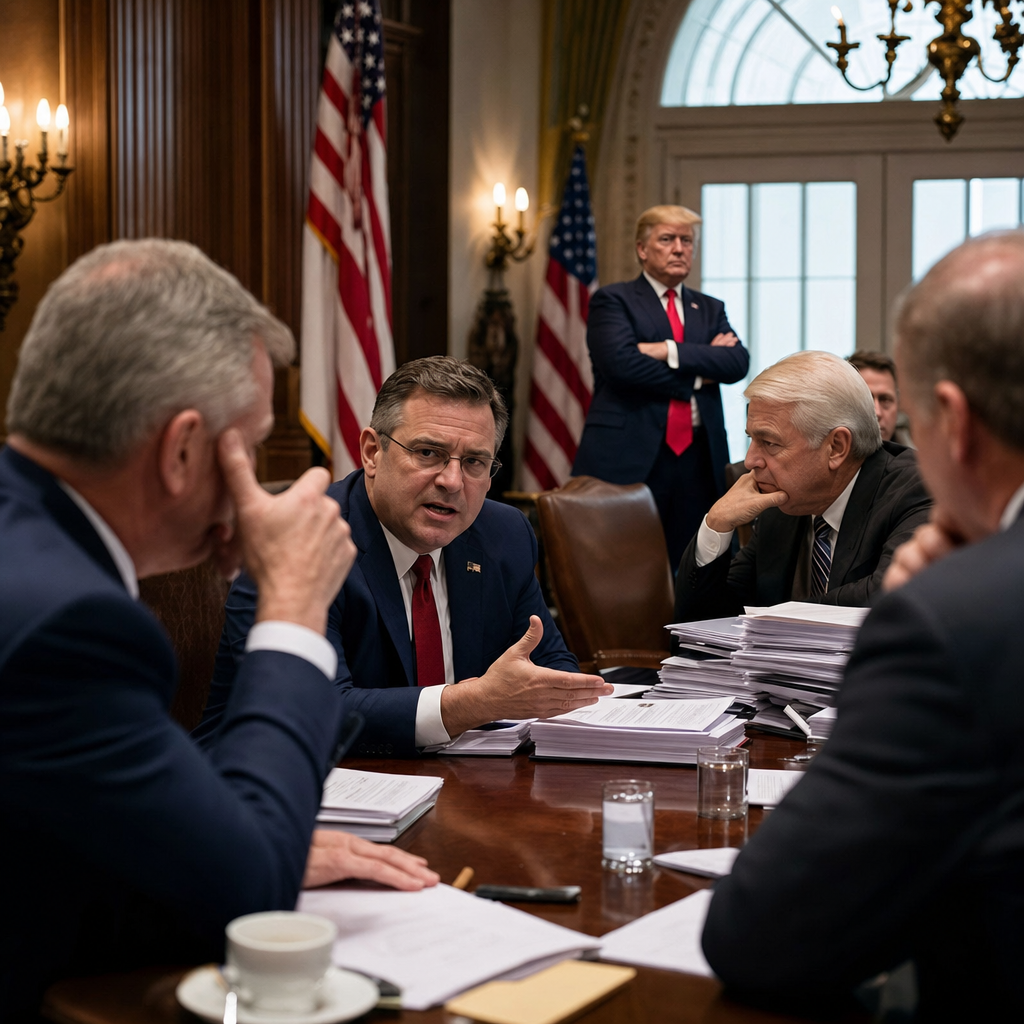
President Donald Trump’s administration tried to attach a politically explosive reward mechanism to a fast-moving budget reconciliation package, and Senate Republicans balked. After a tense meeting with acting Attorney General Todd Blanche on Thursday, GOP senators said they would not advance the immigration-funding bill until the White House answers concerns about a proposed $1.8 billion “anti-weaponization” fund for people claiming they were unfairly investigated or prosecuted, according to  The Hill and
  CNN.
CNN.
The immediate power shift is clear: the White House wanted to use reconciliation to move Trump’s immigration agenda, but Senate Republicans now control the choke point. Majority Leader John Thune told reporters the administration “needs to help with this issue,” while Sen. Lisa Murkowski said the White House “dropped a bomb” into a bill designed to deliver a Trump priority, The Hill. In practice, that means Trump’s team cannot count on automatic loyalty even inside a GOP Senate where it only can afford a small handful of defections.
The problem is not just optics — it is procedure
The fund is politically toxic because it looks like taxpayer-backed compensation for Trump’s allies, including people connected to Jan. 6, and Republicans know Democrats will force them to vote on that proposition if the reconciliation package reaches the floor. CNN reported that Susan Collins, John Curtis and Thom Tillis all raised serious objections, with Collins explicitly rejecting payouts to people convicted of violence against police officers on Jan. 6. The Hill reported that senators also wanted more congressional oversight over the five-member commission that would administer the fund; Blanche resisted those guardrails.
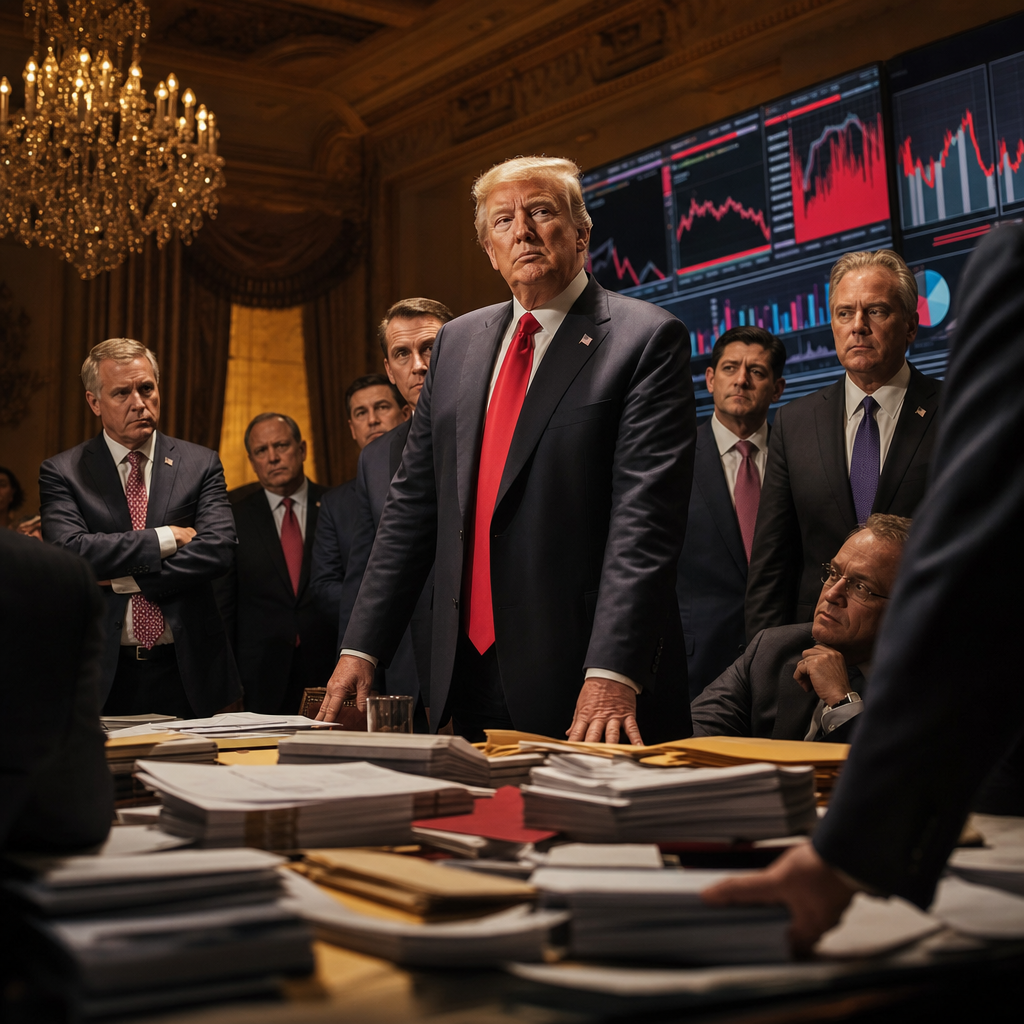
That matters because reconciliation is supposed to be the GOP’s clean path around the Senate filibuster. Instead, the White House has handed Democrats an amendment target. If Republicans leave the fund intact, they risk political attack lines about rewarding rioters and using the Justice Department as a patronage vehicle. If they strip it out, they undercut Trump’s claim that the fund is central to his anti-“weaponization” project. Either way, the party loses leverage.
Who gains, who loses
The short-term winner is Senate institutional power, not Trump. Thune and Collins have effectively signaled that the Senate GOP conference will not absorb every White House demand just to protect the president’s narrative. Democrats, meanwhile, gain a useful wedge: they can force vulnerable Republicans to take recorded votes on Jan. 6, DOJ spending and Trump’s priorities, exactly the kind of contrast vote they want heading into 2026, The Hill and CNN reported.
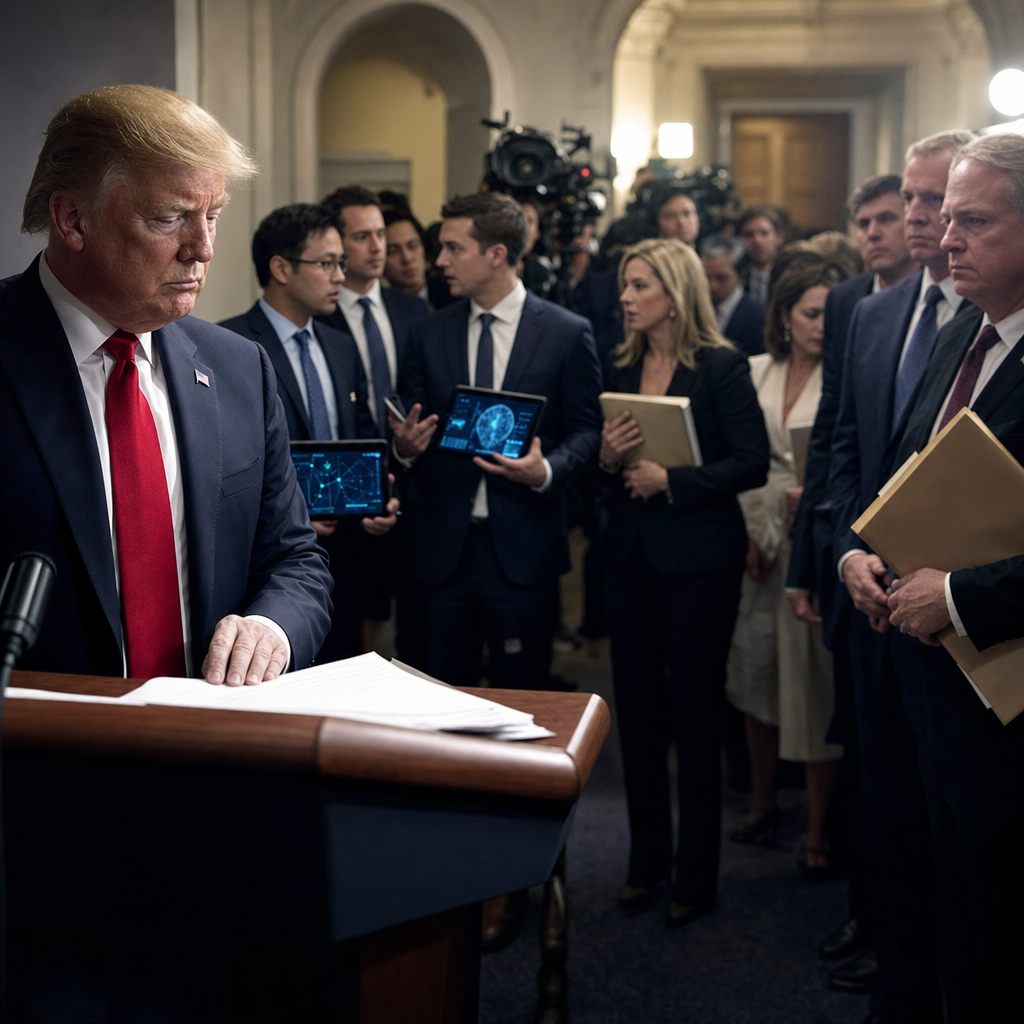
The losers are Trump’s domestic agenda and congressional discipline. The reconciliation bill was meant to move quickly before the Memorial Day recess; now it is delayed past the June 1 target Trump set for signing it, according to CNN and The Hill. For a White House that depends on Congress to convert political messaging into law, that is the real damage. For more on the domestic power struggle, see  US Politics and United States.
What to watch next
The next decision point is whether the White House gives Senate Republicans a narrowing package of guardrails — eligibility limits, congressional oversight, or a pared-back commission structure — before lawmakers return from recess. If it does not, expect Democrats to turn the fund into a floor fight and Republicans to choose between Trump’s loyalty test and their own reelection math. The date that matters is the Senate’s return after Memorial Day, when the bill either moves or stalls again.