Trump's China Strategy Challenges India
Trump's outreach to China complicates U.S.-India relations.
Model Diplomat3 min readAsia
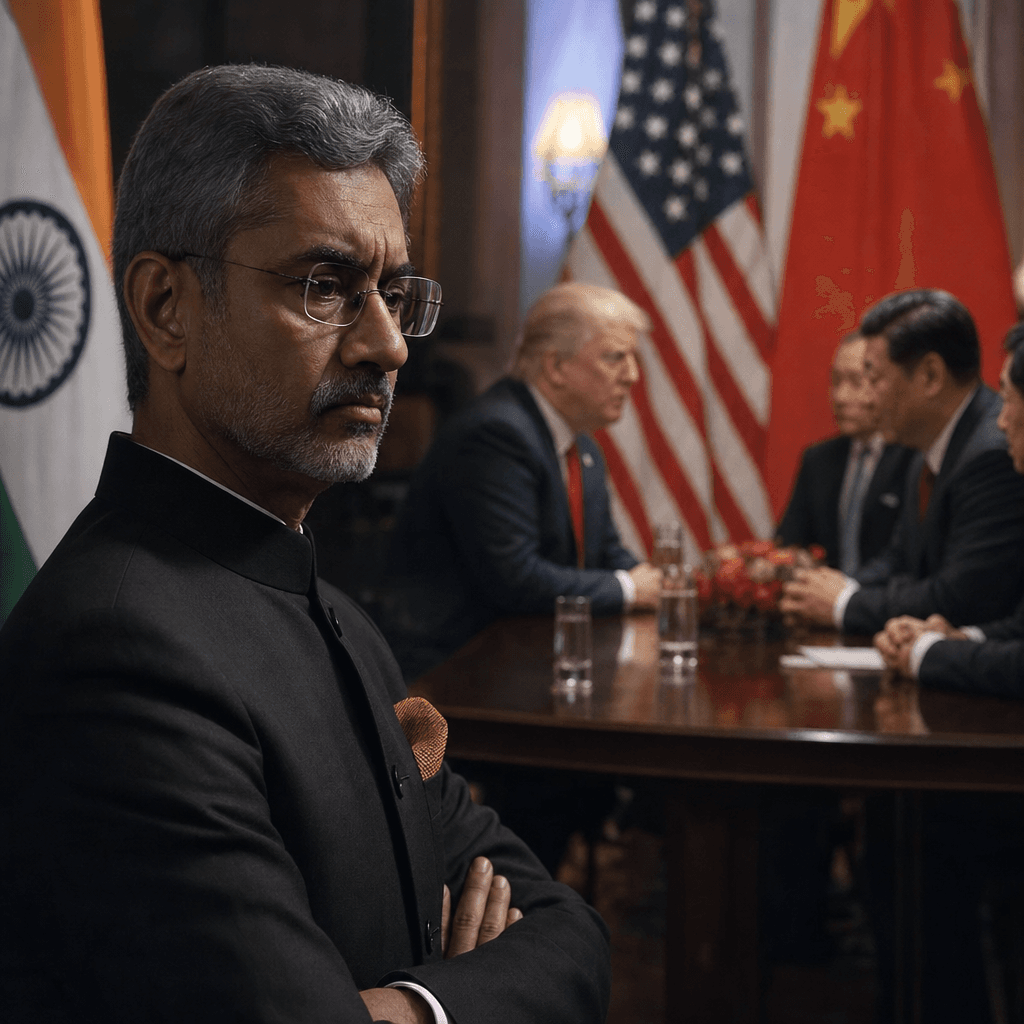
Trump’s China Pivot Leaves India on the Defensive
Trump’s praise for Xi and talk of a China partnership is forcing Rubio to reassure India that Washington still values the Quad, deterrence, and Delhi’s role in Asia.
President Donald Trump’s Beijing outreach is doing more than unsettling allies — it is reordering India’s reading of U.S. strategy. According to The New York Times, Trump’s praise for Xi Jinping as “a great leader” and “a friend,” along with his comment that the two men would “have a fantastic future together,” has left Secretary of State Marco Rubio carrying the burden of explaining U.S. intentions in Delhi. The immediate concern in India is not symbolism. It is whether Washington is downgrading the China threat just as India is supposed to anchor the Indo-Pacific balance.
Rubio is in India to clean up Trump’s signal
Rubio’s visit — his first to India — is being framed by Indian and U.S. officials as a reset mission. The Hindu says the agenda runs through energy, trade, investment, critical technology and the Quad foreign ministers’ meeting on May 26. But the political context is awkward: the relationship has already been strained by Trump’s tariffs, his public claims about brokering the India-Pakistan ceasefire, and the higher H-1B visa fee.
BBC adds that India had expected relief from earlier tariff pressure after a tentative trade bargain, only to watch Trump’s Asia policy become more erratic.
That matters because Delhi has spent two decades treating the United States as the indispensable outside balancer against China. If Trump is now signaling that he wants a deeper modus vivendi with Beijing — and may even revisit Taiwan arms sales, as The New York Times reports — then India loses the predictability that makes the U.S. relationship valuable. The problem is not that Delhi expects Washington to fight China for India. It is that Delhi no longer trusts Washington to keep China hawks and China doves aligned.
China gains room; India loses leverage
The biggest beneficiary of Trump’s posture is Beijing. A U.S. president who treats Xi as a partner rather than a systemic rival complicates every Indian effort to tighten the Quad, diversify supply chains, and frame the Indo-Pacific around countering Chinese coercion. The Council on Foreign Relations notes that Indians are now less certain that Washington views the world through great-power competition with China — exactly the lens Delhi has relied on to justify closer U.S. ties.
That does not mean India is drifting into China’s camp. It means Delhi is reasserting “strategic autonomy” — keeping all major powers at arm’s length while extracting what it can from each. On trade, India still wants U.S. market access and a deal that locks in tariff relief. On security, it wants the Quad to remain active. On energy, it wants U.S. oil and gas without being boxed into Washington’s Iran politics. Trump’s China overture weakens India’s hand on all three.
For the U.S., the risk is strategic incoherence: a White House that wants accommodation with Xi while telling allies in Asia to keep trusting American guarantees. Rubio can soften the language, but he cannot erase the signal sent by Trump’s Beijing trip.
What to watch next
The next test is May 26, when Rubio joins the Quad foreign ministers in Delhi. Watch for three things: whether the U.S. reaffirms the Quad in concrete terms; whether India gets any clarity on tariffs, trade, or energy; and whether Trump follows Beijing with more conciliatory language on Taiwan or China trade. If Delhi comes away unconvinced, India will hedge harder — and Washington will have made the Quad look optional.
Discover more
Global Politics
Trump's Conflicting Messages on Iran War
Trump's mixed messages on Iran reflect a strategy of audience management, benefiting Tehran amid a complex geopolitical landscape.

Conflict & Security
Drone Warfare Killing Aid Workers at Unprec
Over 1,000 humanitarian workers killed in three years as cheap armed drones collapse legal protections. Gaza, Sudan, Ukraine, and DRC see deliberate targeting of aid convoys and hospitals with zero prosecutions.
Global
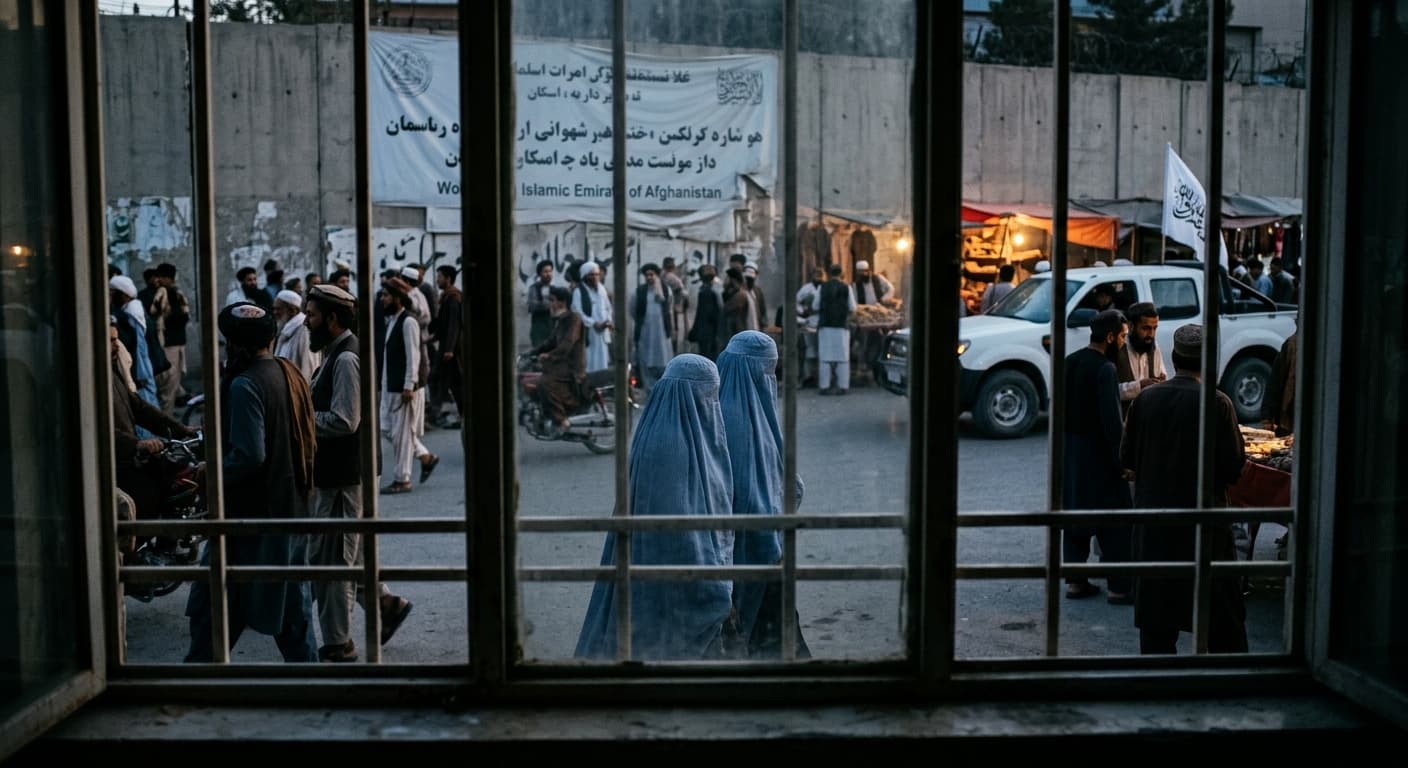
World Normalises Taliban as Afghan Women Eras
UN data shows Afghan women erased from public life as Russia recognises the Taliban, EU hosts officials in Brussels, and ICC warrants for gender persecution go unenforced.
Conflict & Security
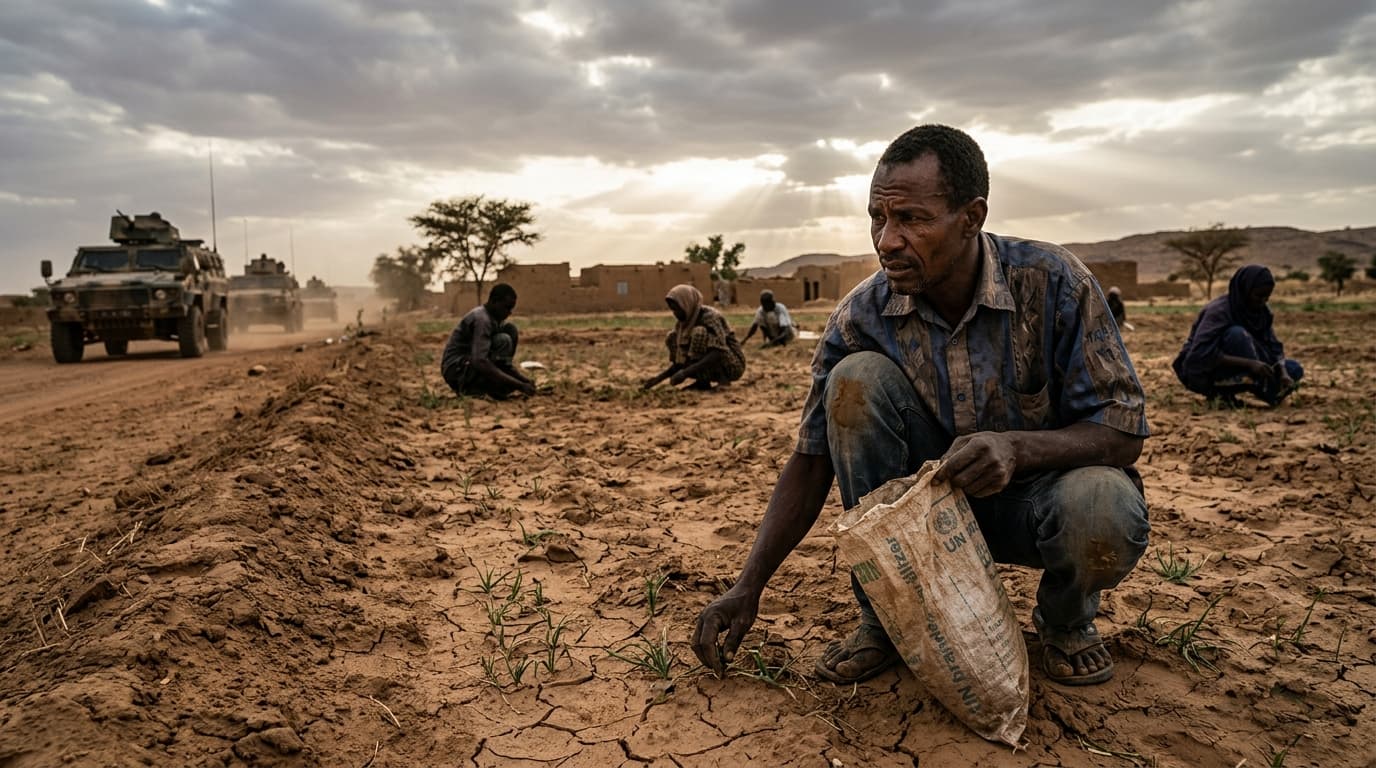
West Africa Food Crisis: Three Shocks in 2026
Conflict, climate extremes, and the Strait of Hormuz closure drive a severe food crisis in West and Central Africa, with fertilizer prices surging 80% and millions displaced.