Trump Leverages Troops and Tariffs on Europe
Trump's tactics push Europe towards strategic autonomy.
Model Diplomat3 min readEurope

Trump Turns Troops and Tariffs Into Pressure on Europe
Trump is using U.S. security guarantees and market access to coerce European allies, accelerating Europe’s turn toward strategic autonomy.
Donald Trump is turning the two assets Europe still needs most from Washington — military cover and market access — into bargaining chips. Reuters reports Trump called German Chancellor Friedrich Merz “totally ineffective” over Merz’s criticism of the Iran war, floated reducing U.S. troops in Germany, attacked British Prime Minister Keir Starmer personally, and threatened tariffs on UK imports. Reuters also says Pentagon options included punishing allies that withheld support for U.S. Iran-related operations, including Spain and pressure linked to the Falkland Islands dispute. Trump's attacks on Europe's leaders worsen transatlantic frost
Trump’s leverage is operational, not theoretical
The key shift is that Trump is no longer treating burden-sharing as a long-run NATO argument. He is using it as an immediate compliance test tied to the Iran conflict. Reuters reported in April that Trump’s anger over Europe’s reluctance to support U.S. moves related to Iran had already pushed NATO into a fresh crisis, with some European officials questioning whether Washington would come to allies’ aid in a real emergency. Trump's anger over Iran thrusts NATO into fresh crisis | Reuters
That gives Trump more day-to-day coercive power than formal treaty threats. A U.S. withdrawal from NATO would face legal and political obstacles: Reuters notes Congress moved in 2023 to block a president from unilaterally leaving the alliance, and no NATO member has ever withdrawn. Can Trump pull the US out of NATO? | Reuters So the credible threat is not exit; it is selective disruption — troop redeployments, tariff action, and public pressure on individual leaders.
Europe’s answer is rearmament and distance
The immediate losers are governments in Berlin and London that still want close U.S. ties but do not want to be seen yielding under pressure. The likely beneficiary is the European camp arguing for faster strategic autonomy across Global Politics and among core U.S. partners such as Germany.
That camp now has harder numbers behind it. SIPRI data published in April show Europe’s military spending rose 14% to $864 billion in 2025. Germany increased spending 24% to $114 billion, reaching 2.3% of GDP, while Spain raised spending 50% and moved above 2% of GDP for the first time since 1994. SIPRI: Record arms spending, again That does not replace U.S. power. But it does mean Trump’s pressure is accelerating the very European hedging he has long demanded from America’s allies, especially around the
United States’ shifting security role.
What to watch next
Watch three near-term moves: whether troop cuts in Germany move from threat to planning; whether tariff threats against the UK become formal trade measures; and whether NATO allies offer new logistics, basing, or maritime support tied to Iran. If Europe holds its line, Trump is most likely to escalate where U.S. leverage is strongest and fastest — bases, deployments, and trade — not the NATO treaty itself.
Discover more
Global Politics
Trump's Conflicting Messages on Iran War
Trump's mixed messages on Iran reflect a strategy of audience management, benefiting Tehran amid a complex geopolitical landscape.

Conflict & Security
Drone Warfare Killing Aid Workers at Unprec
Over 1,000 humanitarian workers killed in three years as cheap armed drones collapse legal protections. Gaza, Sudan, Ukraine, and DRC see deliberate targeting of aid convoys and hospitals with zero prosecutions.
Global
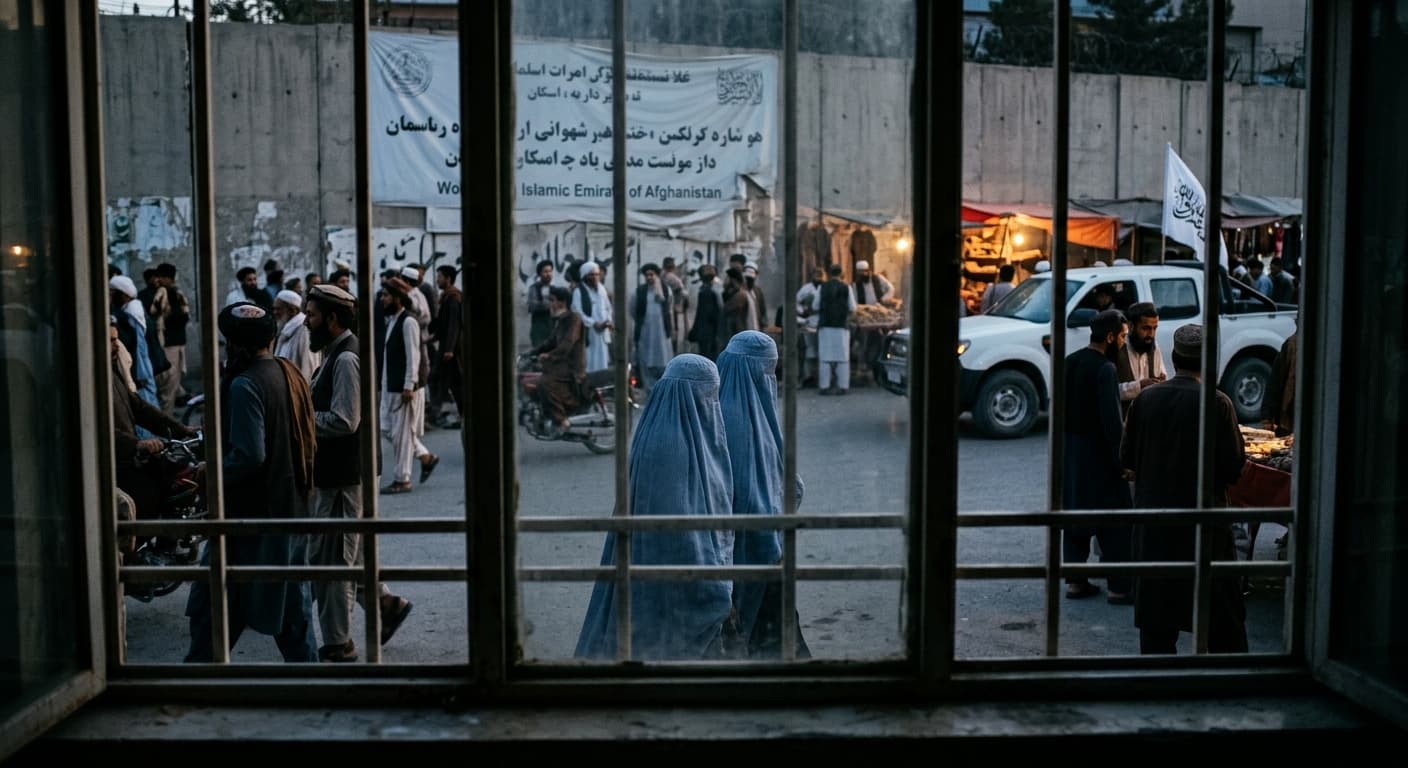
World Normalises Taliban as Afghan Women Eras
UN data shows Afghan women erased from public life as Russia recognises the Taliban, EU hosts officials in Brussels, and ICC warrants for gender persecution go unenforced.
Conflict & Security
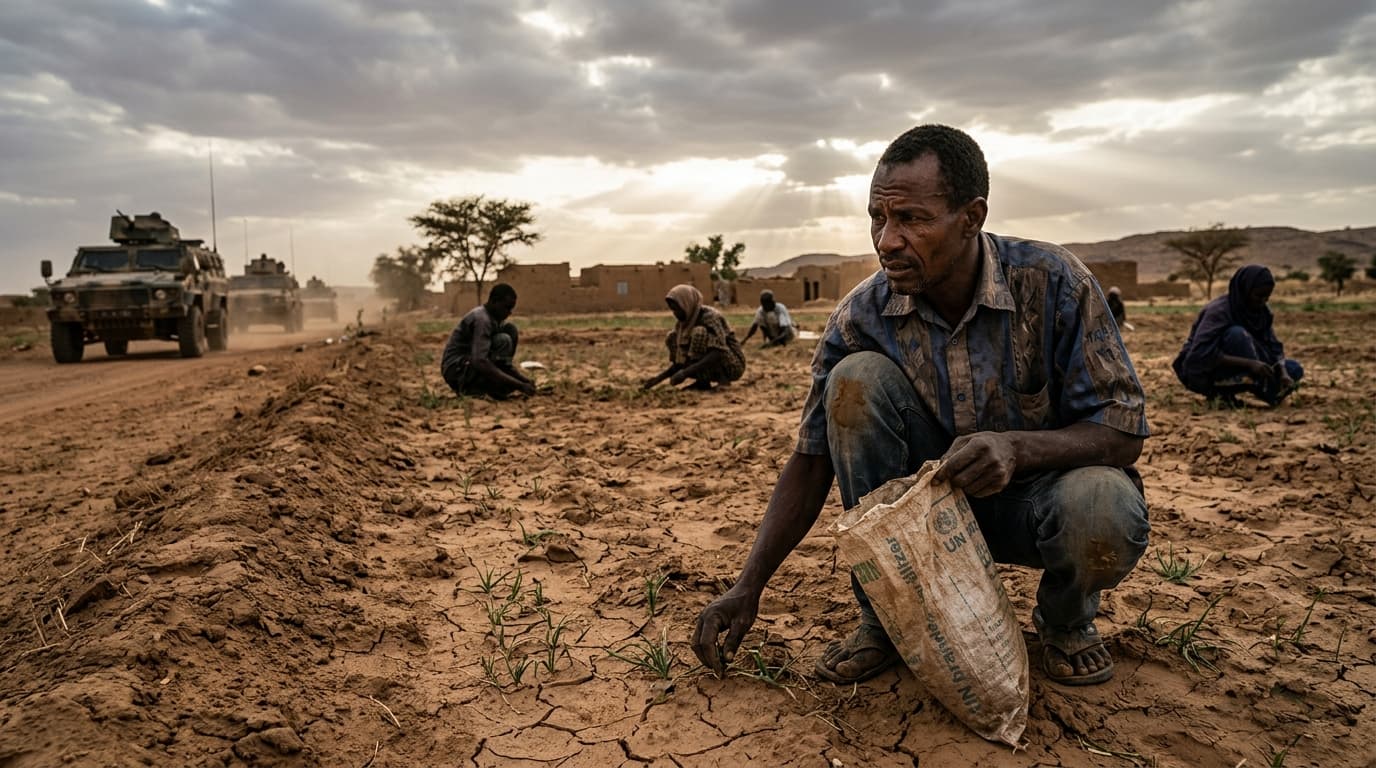
West Africa Food Crisis: Three Shocks in 2026
Conflict, climate extremes, and the Strait of Hormuz closure drive a severe food crisis in West and Central Africa, with fertilizer prices surging 80% and millions displaced.