Trump Trims Iran Deal Hopes Amid Bargaining
Negotiations over Hormuz and sanctions continue between US and Iran.
Model Diplomat3 min readMiddle East
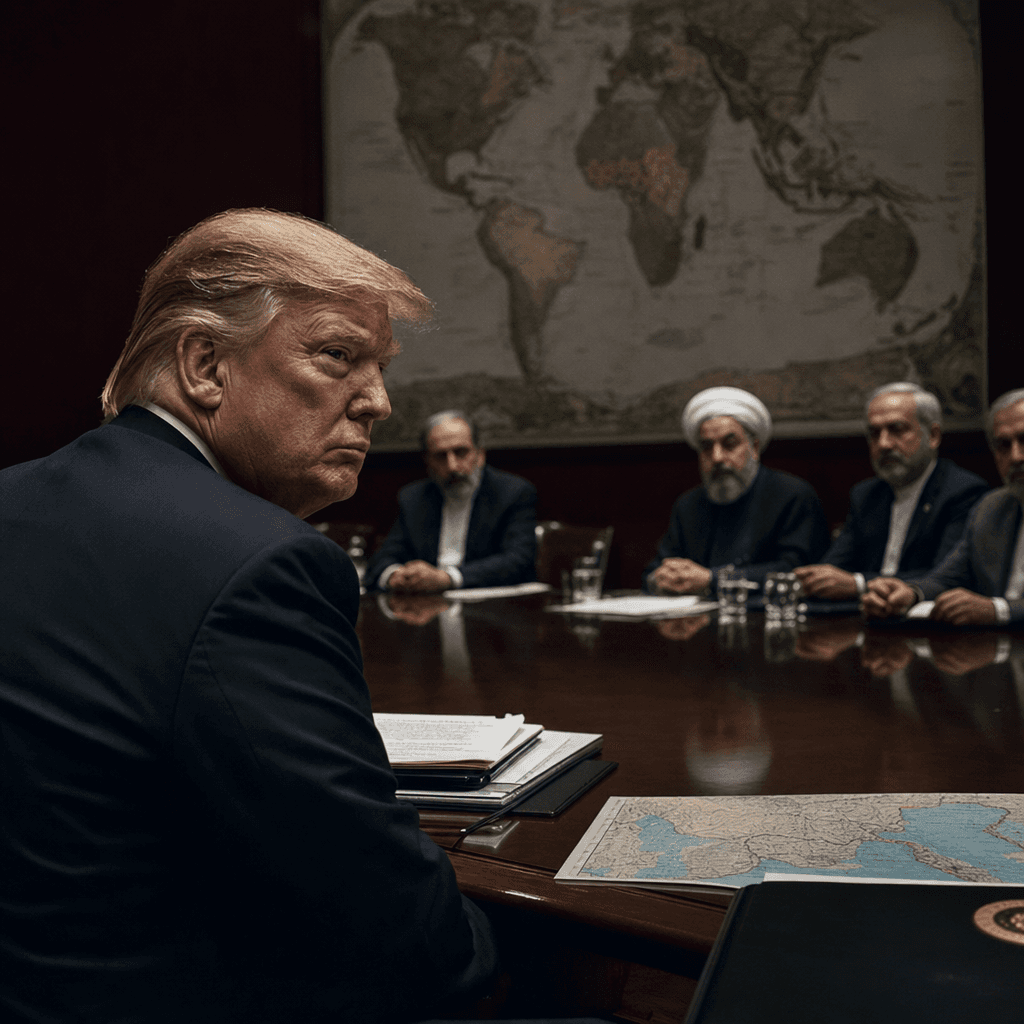
Trump Trims Iran Deal Hopes as Hormuz Bargaining Drags On
Washington and Tehran are haggling over Hormuz, sanctions and uranium—proof the real fight is over leverage, not a final peace text.
Donald Trump is trying to keep the Iran channel alive without overcommitting to it. France24 reported that after Secretary of State Marco Rubio suggested a breakthrough could come “in the next few hours,” Trump posted that he had told negotiators not to “rush” and that “time is on our side,” while also saying the deal was already “largely negotiated” (France24). That is classic bargaining posture: signal momentum to allies and markets, but leave enough ambiguity to extract more on the margins.
Leverage now runs through the Strait of Hormuz
The central prize is not a grand peace settlement. It is control of the Strait of Hormuz, the narrow waterway that keeps oil and gas moving. Reuters, in reporting shared by multiple outlets, said the emerging framework would unfold in stages: a formal end to the war, reopening Hormuz, then a 30-day negotiation window on a broader agreement (Reuters). Al Jazeera reported the same sequencing, noting that Tehran wants the strait issue handled first so Washington cannot keep a naval blockade in place while pressing Iran on the nuclear file (
Al Jazeera).
That sequencing matters. Iran’s leverage is maritime, not diplomatic. If Tehran can force a partial reopening on terms that look like recognition of Iranian authority over the strait, it can claim a win even before the nuclear issue is touched. If Washington insists the strait be opened without tolls and under international rules, as Rubio said, it is trying to convert naval pressure into negotiating capital (Al Jazeera;
France24).
Tehran wants relief now; Washington wants uranium later
This is why the language around a “framework” matters. Iran’s foreign ministry said the sides are working on a memorandum of understanding, with nuclear questions deferred for 30 to 60 days, while sanctions relief and frozen funds are part of the immediate ask (BBC;
France24). That is useful for Tehran: it gets economic pressure eased before making irreversible nuclear concessions.
Washington’s red line is the opposite. Trump and Rubio have both stressed that Iran cannot keep a path to a bomb, and Israeli officials told AFP that Trump will not sign without dismantlement of the nuclear program and removal of enriched uranium from Iranian territory (France24). The gap is not cosmetic. It is the difference between a temporary de-escalation and a verifiable rollback.
Who gains, who loses
The immediate winner is Pakistan, which has become the indispensable broker. Reuters and the BBC both report that Pakistani intermediaries have helped keep the channel open, and that Prime Minister Shehbaz Sharif wants another round of talks soon (Reuters;
BBC). Gulf states also benefit from any pause that lowers shipping risk, which is why Saudi, Emirati, Qatari, Egyptian, Jordanian, Bahraini, Turkish and Pakistani leaders were all pulled into Trump’s weekend call, according to France24 and the BBC (
France24;
BBC).
The losers are those betting on a clean, fast deal. That includes Israeli hardliners who want a decisive nuclear settlement, and Iranian commanders who want sanctions relief without surrendering strategic assets. For now, each side is trying to lock in the first concession from the other.
What to watch next
The next decision point is whether Washington accepts a formal memorandum that reopens Hormuz while postponing the nuclear file. If it does, talks likely move into a 30-day countdown to a broader agreement, with the exact uranium language and the fate of sanctions relief due to be tested next. If it does not, Trump’s warning not to “rush” becomes cover for a return to coercion — and the market signal will come first, not the communiqué.
Discover more
Global Politics
Trump's Conflicting Messages on Iran War
Trump's mixed messages on Iran reflect a strategy of audience management, benefiting Tehran amid a complex geopolitical landscape.

Conflict & Security
Drone Warfare Killing Aid Workers at Unprec
Over 1,000 humanitarian workers killed in three years as cheap armed drones collapse legal protections. Gaza, Sudan, Ukraine, and DRC see deliberate targeting of aid convoys and hospitals with zero prosecutions.

Global
World Normalises Taliban as Afghan Women Eras
UN data shows Afghan women erased from public life as Russia recognises the Taliban, EU hosts officials in Brussels, and ICC warrants for gender persecution go unenforced.
Conflict & Security
West Africa Food Crisis: Three Shocks in 2026
Conflict, climate extremes, and the Strait of Hormuz closure drive a severe food crisis in West and Central Africa, with fertilizer prices surging 80% and millions displaced.