Trump Tightens the Screws on GOP Power
Trump's dual strategy reshapes GOP dynamics and foreign policy.
Model Diplomat3 min readNorth America
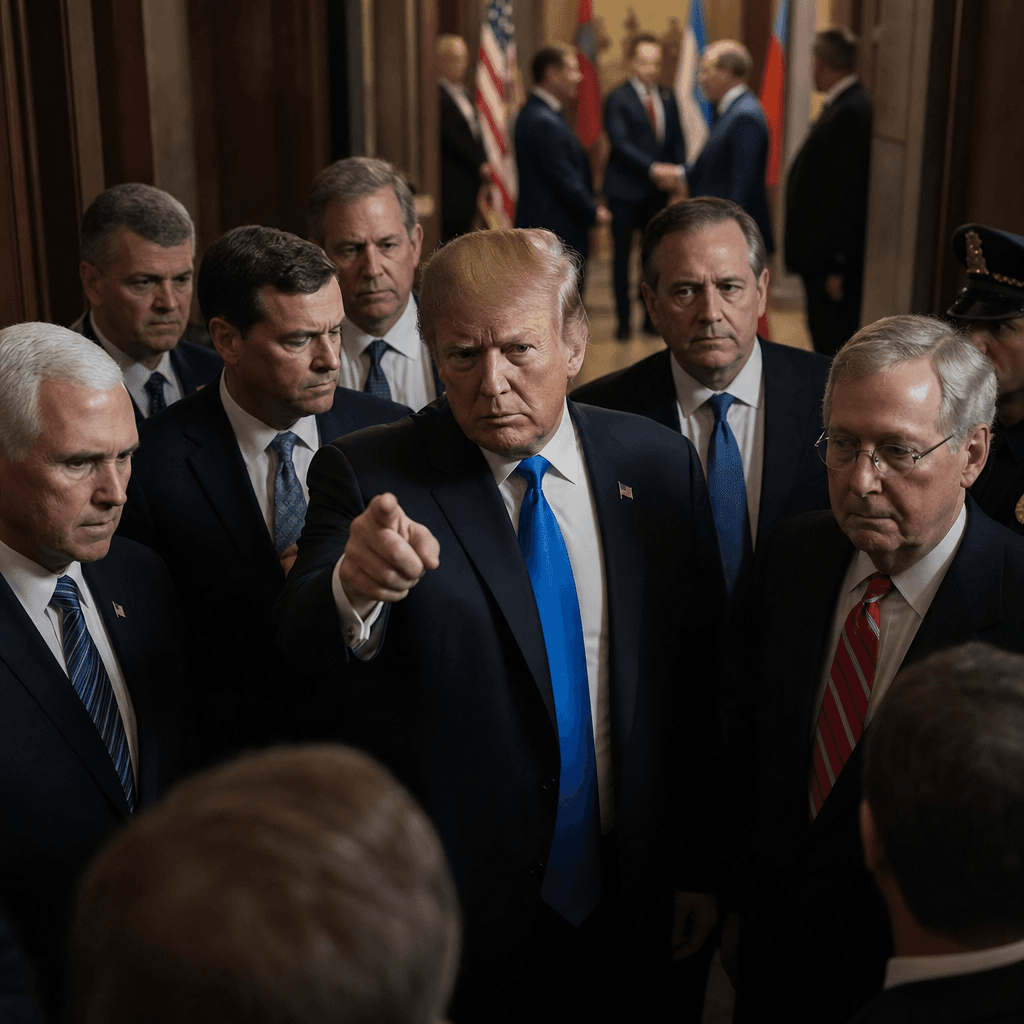
Trump Tightens the Screws on GOP Power Centers
Trump is using both the Cabinet table and the Texas primary to show he still sets the agenda: on Iran abroad, and on Senate politics at home.
President Trump is running two power plays at once. In Washington, he has convened his Cabinet as his administration keeps pushing talks over Iran and the Strait of Hormuz, with Secretary of State Marco Rubio saying the negotiations will take “a few days” more and that any final deal still has unresolved terms, according to The Globe and Mail and
The New York Times. In Texas, Trump’s late endorsement helped Attorney General Ken Paxton knock off Senator John Cornyn in the Republican runoff, a result projected by
Bloomberg and reported by
The Wall Street Journal.
Trump is showing he still owns the GOP gate
The Texas result is the cleaner measure of Trump’s leverage. Cornyn had the advantages of incumbency, Washington relationships, and most of the Senate GOP establishment behind him. None of it mattered once Trump moved. Bloomberg reported that with more than 95% of the vote counted, Paxton had about 64% to Cornyn’s 36%, and Cornyn conceded quickly after polls closed. Politico said the win cemented the influence of the party’s hard right and turned the race into a warning shot for any Republican who falls out of Trump’s favor.
That matters because Texas is not just any state. Cornyn was one of the Senate’s most reliable fundraisers and institutional operators. Paxton is the opposite: a combative MAGA loyalist with a weaker general-election profile, but stronger appeal to the primary electorate Trump now dominates. The beneficiary is Trump’s endorsement brand. The loser is the old Senate Republican coalition that used to decide who was “electable.” For more on the internal balance of power in Washington, see United States.
Iran is the same playbook, only with higher stakes
The Cabinet meeting is about projecting control over a foreign policy process that is still unsettled. The administration wants the appearance of momentum on Iran without conceding too much publicly; critics inside the GOP, including hawks cited by The Globe and Mail, worry a deal could leave Tehran with room to recover while Washington claims victory too early. The New York Times reported that Trump used the meeting to dismiss an Iranian state broadcaster’s outline of an “unofficial” deal, even as he signaled he was open to prolonged talks.
That is the central leverage point. Trump benefits from keeping every faction off balance: he can threaten escalation, suggest a breakthrough, and keep allies waiting for his next move. Iran benefits if talks buy time and ease pressure around the Strait of Hormuz. Republican hawks lose if Trump settles on a deal they see as too generous. The wider market loses if Hormuz stays unstable, because that chokepoint still carries enormous energy risk. The issue sits squarely inside Global Politics, but it has direct domestic consequences too: any Iran deal will be judged through the lens of fuel prices, presidential authority, and the coming midterm fight.
What to watch next
The next decision point is whether Trump turns the Iran talks into a concrete framework or keeps them in holding pattern. Rubio said talks could take “a few days,” which makes the near-term test simple: does the White House announce terms, or does it escalate pressure again? On the Texas side, watch whether Paxton’s win depresses GOP turnout in November or forces national Republicans to spend heavily to protect a seat they should have been able to hold more easily. If Democrats can make Texas competitive, Paxton’s victory may cost Trump more than it delivered.
Discover more
US Politics
Next Generation Republicans
A leaked survey shows 39% of Republicans under 30 do not identify as MAGA, revealing a split in the GOP's future leadership.
Economics
Fed's Amex AML order puts correspondent banking on notice
Federal Reserve's Amex AML order requires board-level controls and a 90-day plan; OCC fined the bank $350 million over enterprise-wide deficiencies.

Conflict & Security
Guatemala: El Niño 2026–27 becomes regional security test
UNICEF: 25.8M children face El Niño risks in Latin America; Guatemala maps 188 municipalities for drought and food insecurity amid regional security test.

Economics
Fed's stress-test overhaul is a capital-smoothing exercise
Federal Reserve finalized stress-test overhaul: two-year averaging for bank capital buffers and public input, expected to halve volatility.