Trump Hints at Iran Deal Amid Military Tactic
Trump hints at a deal with Iran while maintaining leverage.
Model Diplomat3 min readNorth America
Trump Says Iran Deal Is Near — But Washington Holds the Cards
[Trump says an agreement with Iran is near, but the real leverage is Washington’s threat of force and Tehran’s need for relief.]
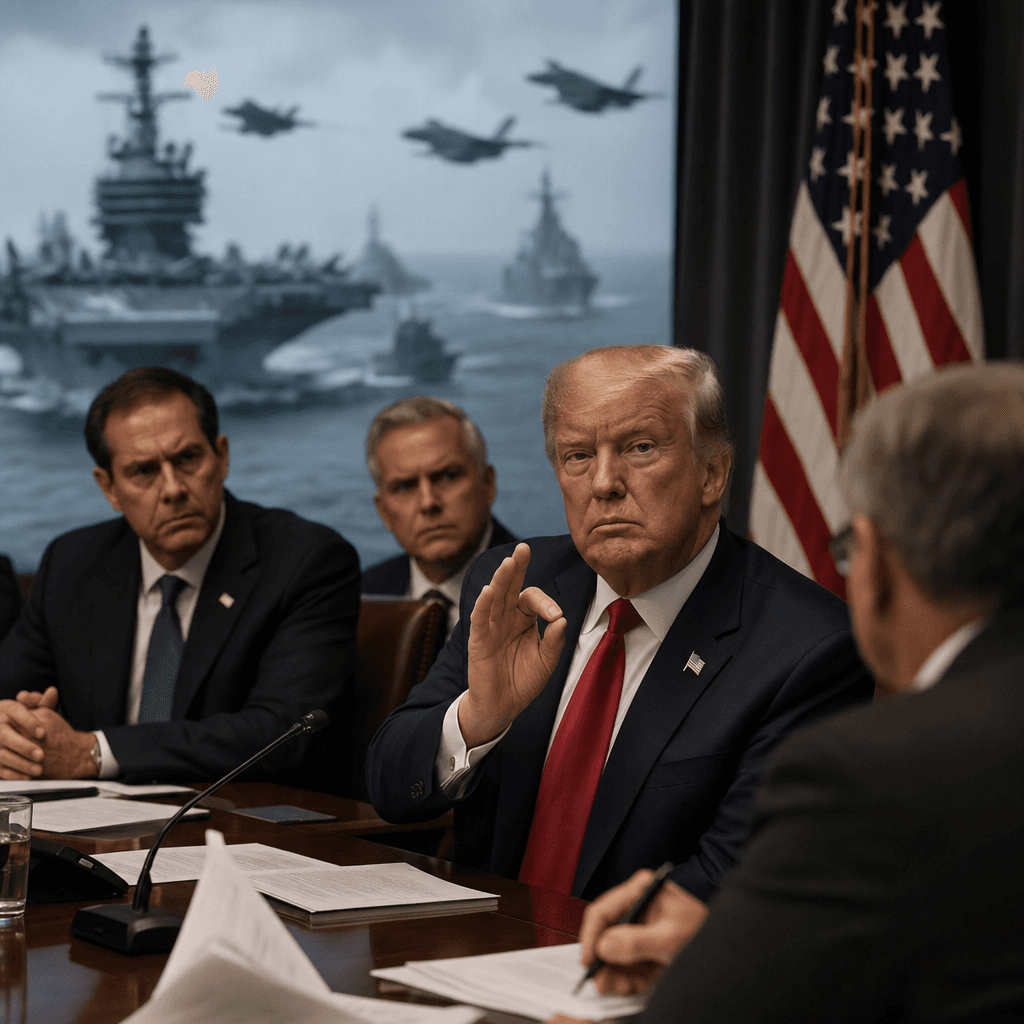
US President Donald Trump is signaling movement toward a deal with Iran, telling CBS News he has seen a draft and that Iran is “getting a lot closer” to an agreement, while insisting any text must “absolutely” stop Tehran from getting a nuclear weapon, according to the BBC. That is not a breakthrough so much as a leverage play: Trump is advertising diplomacy while keeping military pressure on the table, and Iran is trying to convert that pressure into a framework that buys time.
Washington is using escalation as bargaining power
The immediate power dynamic is simple. Washington controls the threat environment: the BBC says the US has blockaded Iranian ports since April 13, while anonymous officials had told US media on Friday that fresh strikes were being prepared, even if no final decision had been made. Trump’s message — “we get everything we want” or Iran faces consequences — is designed to make every Iranian concession look like the cheaper option, especially as BBC reports that Marco Rubio is publicly backing the line that Iran must never obtain a nuclear weapon and must hand over highly enriched uranium.
For Global Politics, that matters because the US is not negotiating from neutrality; it is negotiating from coercion. For
United States, the political prize is a deal Trump can sell as preventing a nuclear crisis without another open-ended war.
Iran wants sanctions relief and a pause, not surrender
Iran’s side is trying to lock in a narrower first step. The BBC says foreign ministry spokesman Esmaeil Baqaei described a proposed “memorandum of understanding” with 14 points, with further talks in 30 to 60 days and a final agreement later. That sequencing is revealing: Tehran is not yet conceding on the hardest nuclear issues, and it is trying to separate a ceasefire-extension formula from the final settlement.
A parallel report from CNBC adds the practical stakes of that draft. The proposed package would reportedly include a gradual reopening of the Strait of Hormuz, discussion of Iran’s enriched-uranium stockpile, eased sanctions, and the phased unfreezing of overseas assets. In other words, Iran is bargaining for economic relief and maritime de-escalation first, then a broader nuclear conversation later. That is the only way Tehran can claim it extracted something tangible without conceding the central enrichment issue upfront.
The outside players now matter
The other reason this looks closer to a deal is that third parties are doing the heavy lifting. Bloomberg reports that Pakistan’s army chief Asim Munir was in Tehran for talks, while Gulf states are pushing for an end to the war because they fear retaliation and damage to energy flows. CNBC likewise reports Pakistani and Qatari negotiators have been in contact with both Tehran and US envoy Steve Witkoff.
That gives Riyadh, Doha and Islamabad a stake in the outcome that neither Washington nor Tehran fully controls. They benefit from a truce that stabilizes shipping and energy markets; they lose if the Strait of Hormuz becomes the next battlefield. Iran, meanwhile, can use those intermediaries to keep talks alive without appearing to fold directly to Washington.
What to watch next
The next decision point is Trump’s call on the draft, which CNBC says could come after consultations with advisers and Arab leaders, with a decision possible on Sunday. Watch whether Washington accepts a 60-day extension and phased sanctions relief, or whether it insists on upfront uranium surrender and site dismantlement — the difference between a managed pause and another round of strikes.
Discover more
Global Politics
Trump's Conflicting Messages on Iran War
Trump's mixed messages on Iran reflect a strategy of audience management, benefiting Tehran amid a complex geopolitical landscape.

Conflict & Security
Drone Warfare Killing Aid Workers at Unprec
Over 1,000 humanitarian workers killed in three years as cheap armed drones collapse legal protections. Gaza, Sudan, Ukraine, and DRC see deliberate targeting of aid convoys and hospitals with zero prosecutions.

Global
World Normalises Taliban as Afghan Women Eras
UN data shows Afghan women erased from public life as Russia recognises the Taliban, EU hosts officials in Brussels, and ICC warrants for gender persecution go unenforced.
Conflict & Security
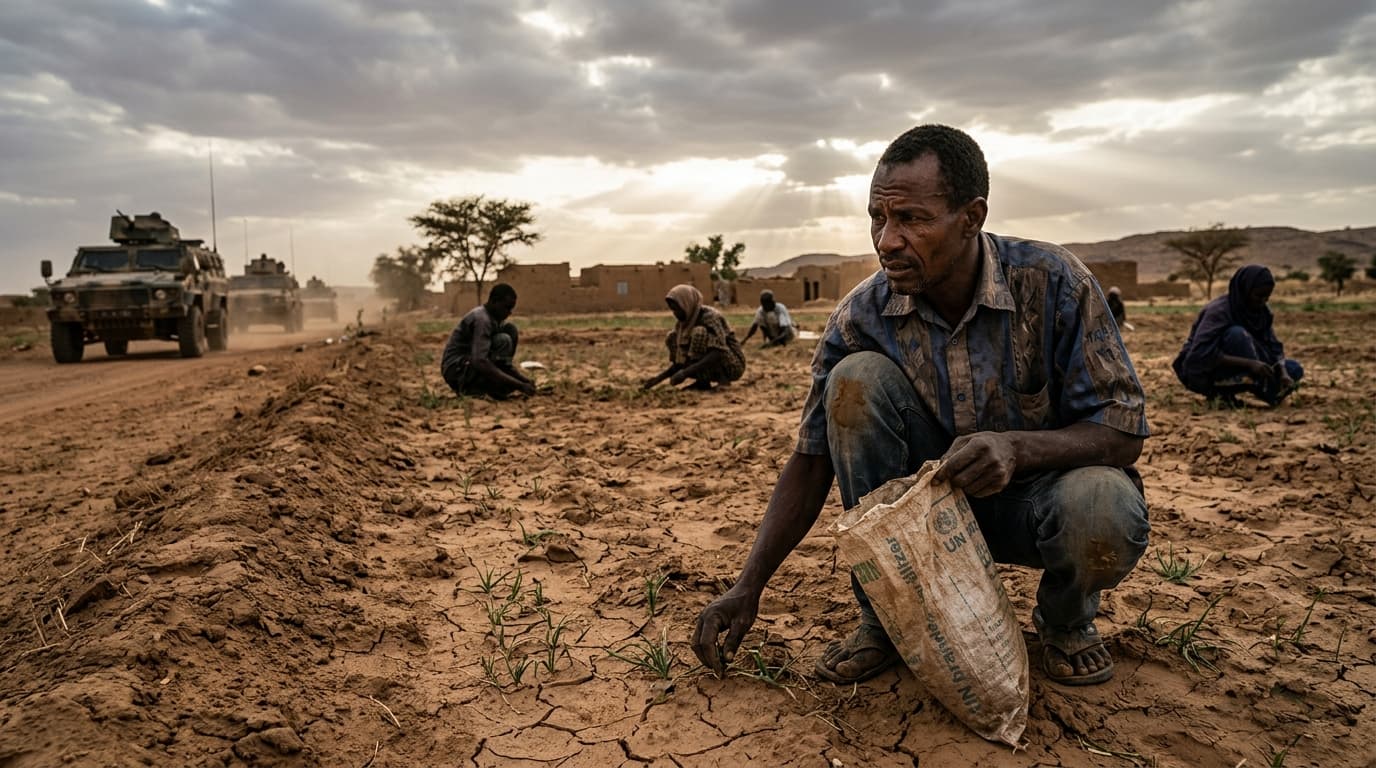
West Africa Food Crisis: Three Shocks in 2026
Conflict, climate extremes, and the Strait of Hormuz closure drive a severe food crisis in West and Central Africa, with fertilizer prices surging 80% and millions displaced.