Trump Rejects Sanctions Relief in Iran Talks
Trump insists on no easing of sanctions amid Iran deal discussions.
Model Diplomat3 min readMiddle East
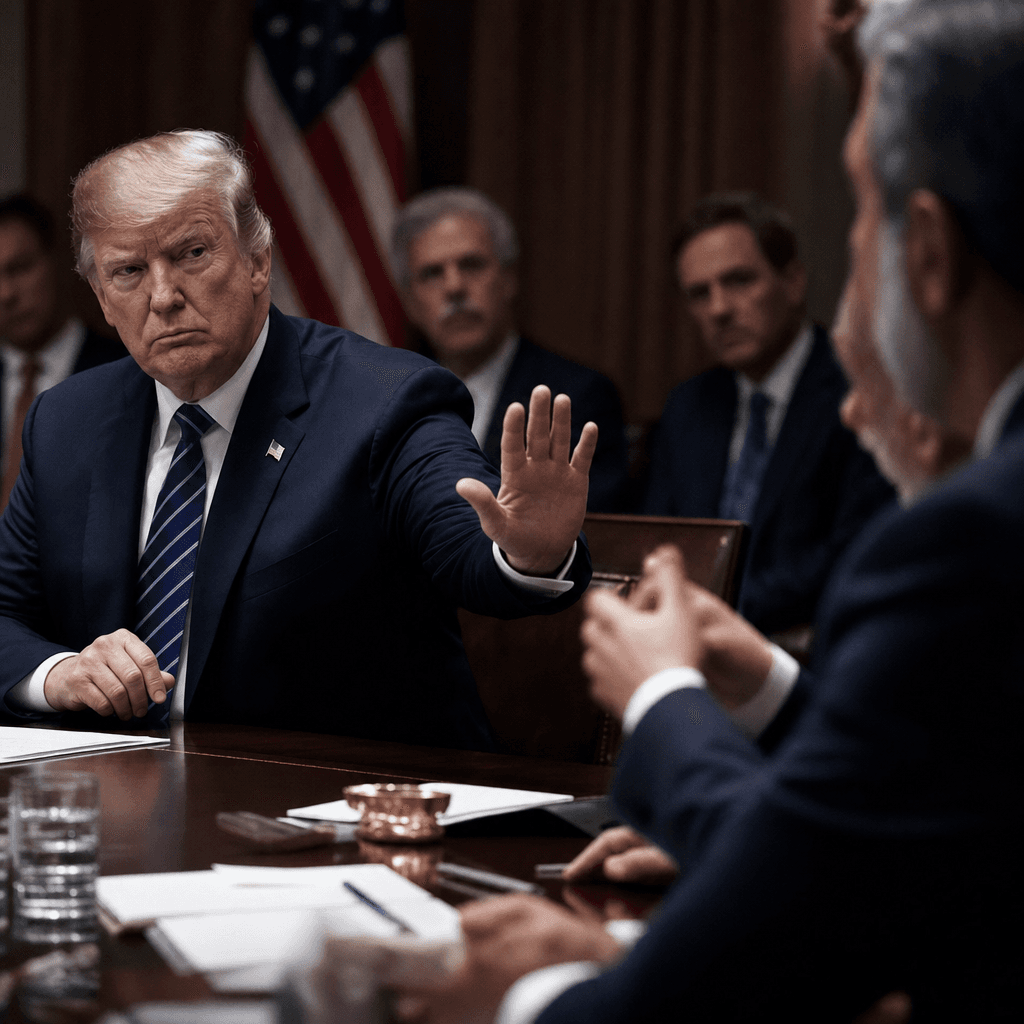
Trump Rejects Sanctions Relief as Iran Deal Talks Drift
Trump says Iran gets no sanction relief, while Tehran rejects the White House’s Hormuz account. The gap shows who still holds leverage.
Trump is trying to define the terms of any Iran deal before Iran does. At a cabinet meeting on Wednesday, he said Washington is “not talking about any easing of sanctions or giving money,” even as Iranian state media floated a memorandum of understanding to reopen the Strait of Hormuz and end the war; the White House called that report a “complete fabrication” (Al Jazeera). The immediate message is simple: the US wants Tehran to surrender enriched uranium first, and to do it without an upfront payoff (
Al Jazeera).
Leverage is split, but not evenly
Washington holds the harder economic weapon. It can keep sanctions in place, sustain the blockade on Iranian ports, and use military pressure to keep negotiations inside a narrow lane (Reuters;
BBC). Tehran’s leverage is different: the Strait of Hormuz. Reuters described the talks as centering on an end to the war and the blockade in exchange for safe transit through the waterway, with a 60-day period left for harder issues such as uranium and the sequencing of sanctions relief (
Reuters). That means both sides are bargaining over timing, not just substance.
That sequencing matters because each capital has a domestic audience. Trump can’t easily sell cash or frozen assets for promises on enrichment; he has already told supporters that the uranium must be surrendered or destroyed, not rewarded with relief (Al Jazeera;
BBC). Tehran, meanwhile, cannot present a deal that looks like capitulation on the Strait or the nuclear file without visible sanctions gains. For policymakers following
Global Politics, this is a classic coercive diplomacy problem: each side needs an outcome it can frame as a win.
Why the mixed signals matter
The conflicting reports are not noise; they are leverage. When Trump says a deal is “largely negotiated” and then insists there will be no immediate relief, he is trying to pin Iran to a public concession before the terms harden (BBC;
Al Jazeera). Iran’s response — leaking a draft that puts the Strait under Iranian-Omani coordination and calls for lifting the blockade — is the mirror image: shape the endgame in public before Washington can narrow it (
Al Jazeera).
The likely beneficiary of even a partial accord is the energy market. Reuters and the BBC both note that roughly a fifth of global oil and LNG flows through Hormuz, so any sign the route will reopen eases a major supply shock (Reuters;
BBC). The losers are the hardliners on both sides who prefer maximal demands: they are the ones most exposed if the talks settle on a limited framework rather than a grand bargain.
What to watch next
The next decision point is whether the talks become a written MOU or collapse back into military signaling. Watch for three things: whether the White House softens on frozen assets, whether Iran’s Supreme National Security Council signs off on any framework, and whether Trump sticks with “no sanctions relief” once negotiators move from headlines to text (Reuters;
BBC). If that 60-day clock is real, the first serious test comes in the next few days, not months.
Discover more
Global
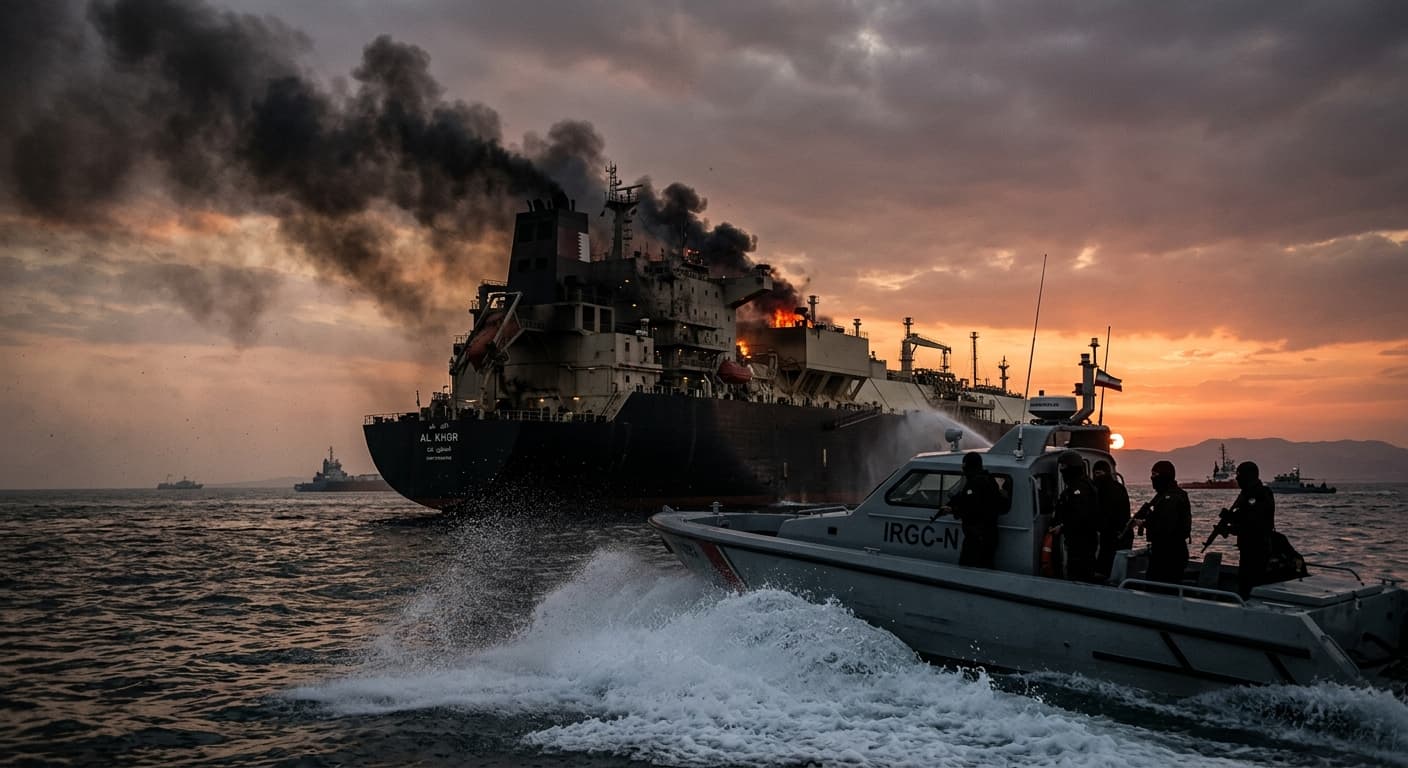
Qatari Tanker Strike Exposes Hormuz Tensions
A Qatari tanker was struck off Oman, revealing the fragility of the Hormuz ceasefire and Iran's influence over maritime security.
Global
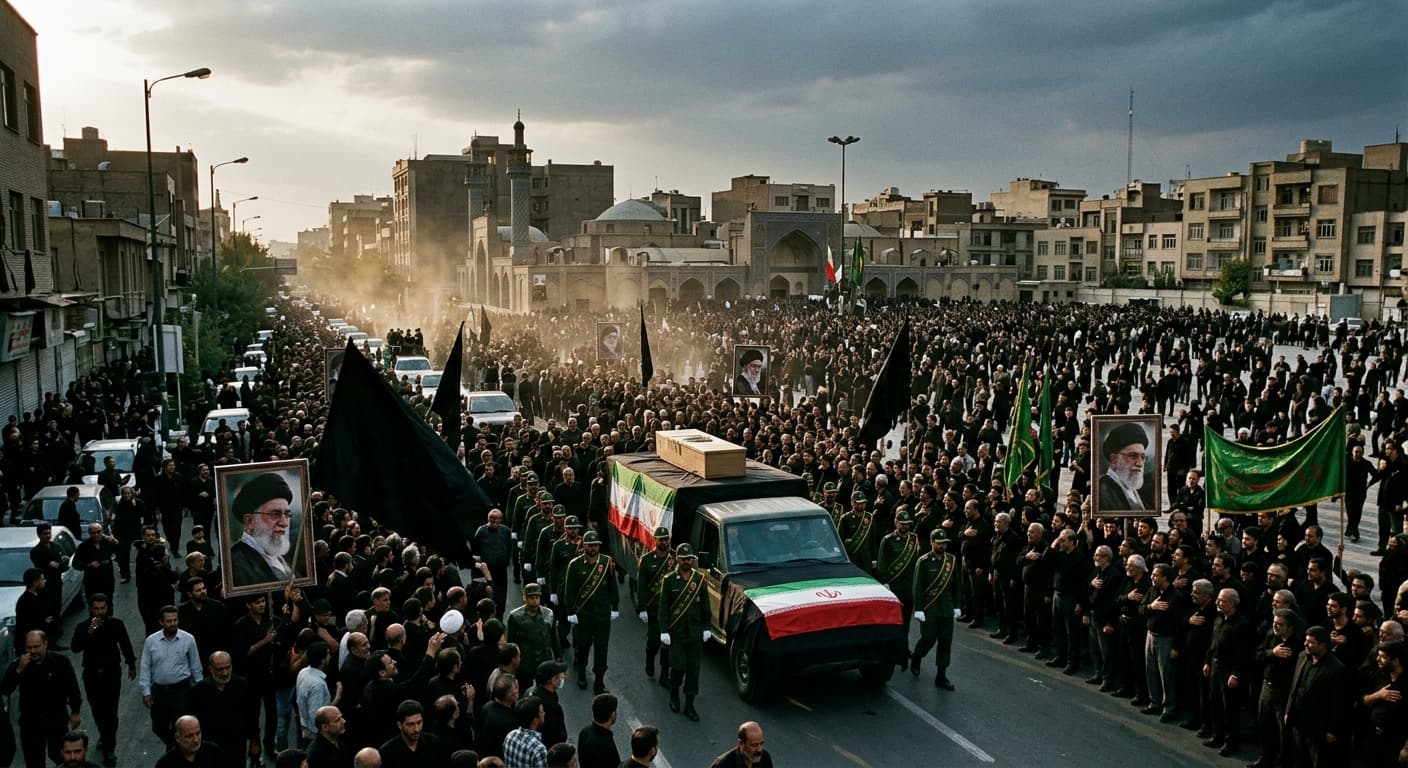
Khamenei's Funeral Signals Iran's Decline
The funeral of Ayatollah Khamenei highlights Iran's diminished influence in the Gulf, with regional powers now dictating terms.
Global
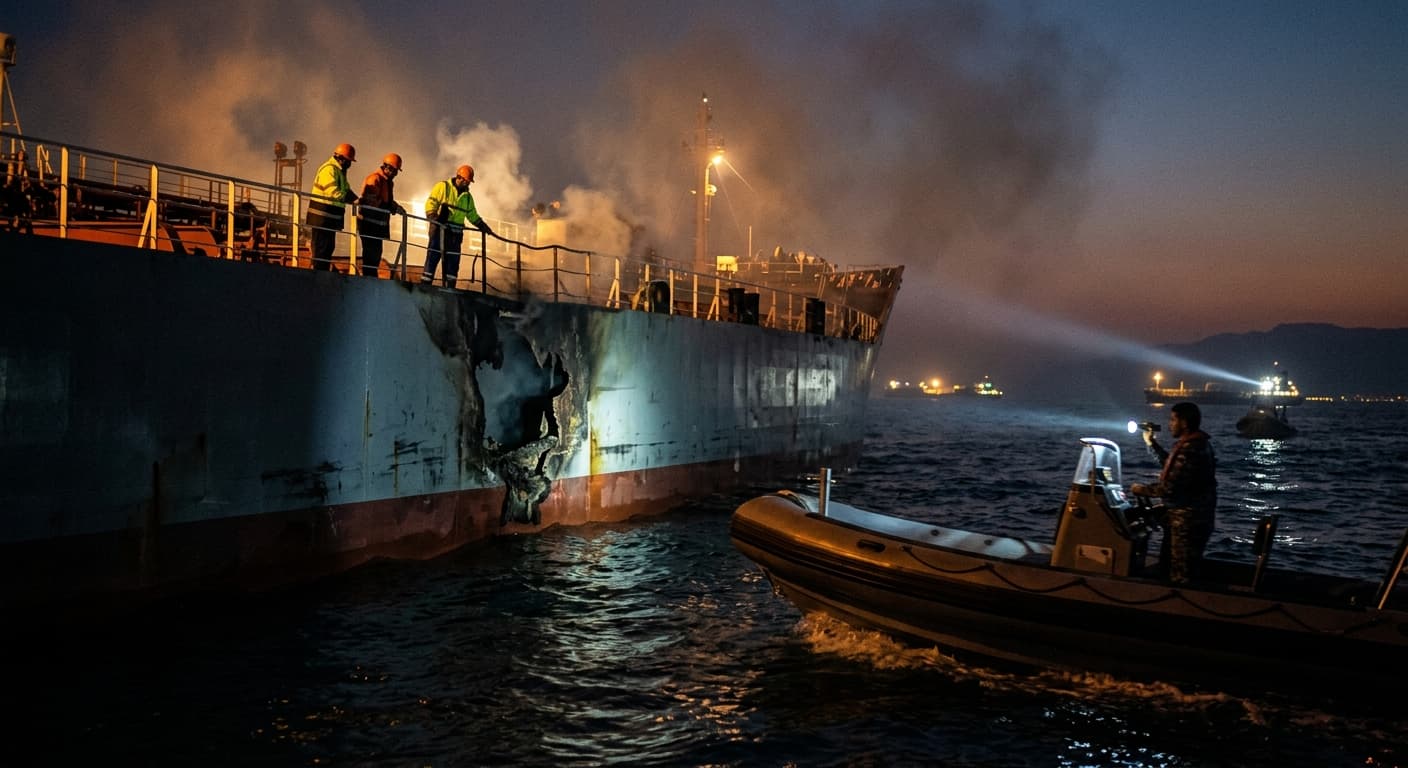
Iran's Hormuz Missile Strikes: A Toll Booth
Iran's missile attack on a Qatari-linked tanker highlights Tehran's strategy to control the Strait of Hormuz, impacting Gulf states and maritime law.
Tech Policy
Iran's Cavern Manticore Targets Israel's IT
Cavern Manticore, an Iran-linked hacking group, targets Israeli IT vendors, prompting a shift in Israel's cybersecurity policy and legislative efforts.