Trump Rejects Iran's Ceasefire Proposal
Ceasefire negotiations stall as Trump dismisses Iran's offer.
Model Diplomat2 min readMiddle East
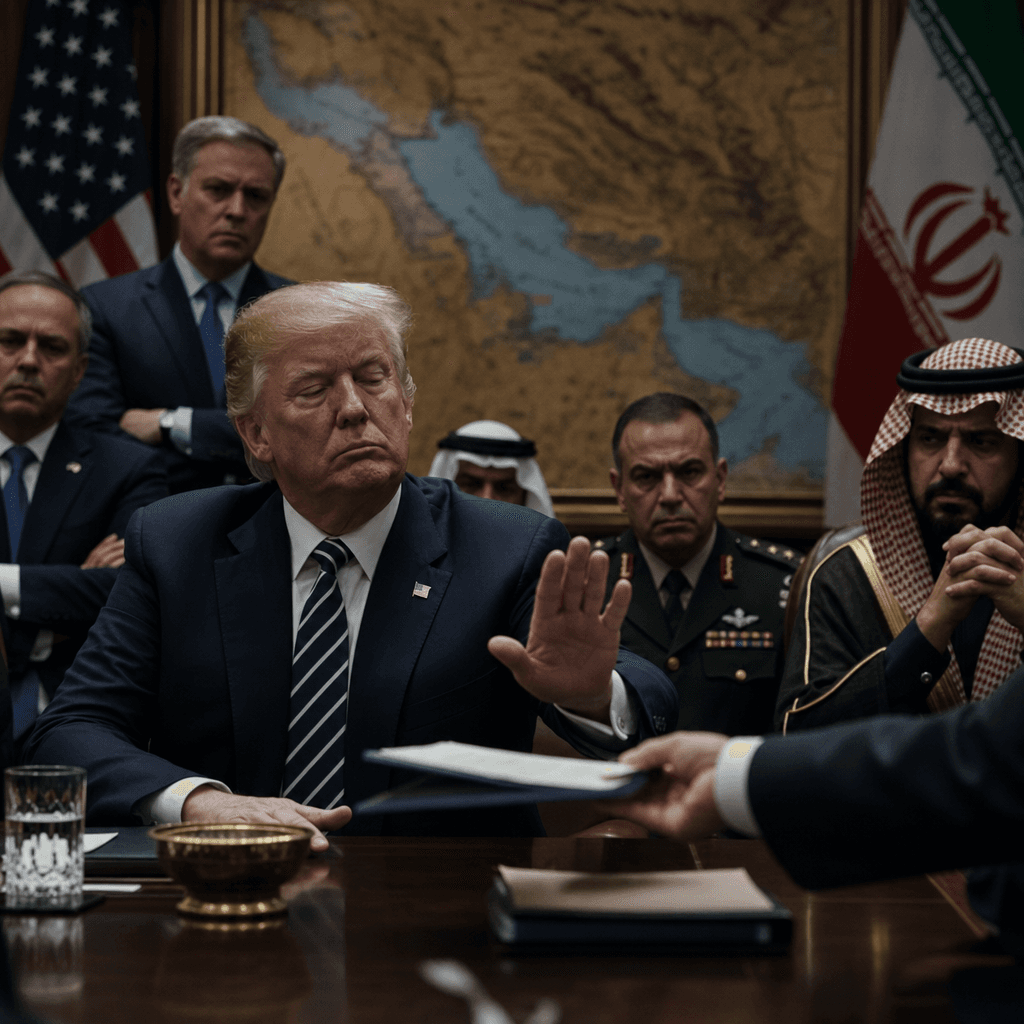
Trump Turns Down Iran’s Offer, Exposing Ceasefire Split
Tehran wants sanctions relief and maritime guarantees; Washington wants nuclear limits first. That sequencing fight is now threatening the Gulf truce.
Trump has rejected Iran’s latest counterproposal as “TOTALLY UNACCEPTABLE,” a signal that the ceasefire is now being used as leverage, not as a bridge to settlement, according to France 24. Iran sent its response through Pakistani mediators, but Trump dismissed it on Truth Social without detailing what in the offer he found objectionable,
France 24 reported.
Leverage is now the point
The dispute is not over whether to negotiate; it is over who moves first. Washington’s draft reportedly tied any easing of pressure to immediate Iranian nuclear concessions, including halting enrichment and handing over highly enriched uranium, while Iran’s counterproposal pushed the reverse sequence: stop the fighting, lift the blockade on Iranian ports, restore maritime security in the Strait of Hormuz, and release frozen assets, according to Al Jazeera and
Al Jazeera/Reuters.
That sequencing matters because each side is asking the other to surrender its strongest card before getting anything in return. Iran’s strongest card is disruption in and around Hormuz; the United States’ strongest card is sanctions, blockade pressure, and the threat of renewed strikes. That is why the ceasefire is shaky: it exists, but neither side is yet willing to pay for making it durable, as Al Jazeera and
France 24 both describe.
Why the Strait of Hormuz is the real battlefield
The immediate stakes are commercial and strategic, not just diplomatic. The Strait of Hormuz remains the hinge of the crisis because it gives Iran a way to raise global shipping and energy costs without having to match the U.S. militarily, while Washington sees reopening the waterway as proof that Tehran is giving up coercive leverage. Al Jazeera reports that the U.S. proposal demanded a 12-year halt to enrichment and the transfer of Iran’s 60 percent enriched uranium stockpile, while offering sanctions relief and a gradual end to the naval blockade.
That formula benefits hardliners on both sides. In Washington, Trump can present himself as refusing a “bad deal” and keeping pressure on Iran. In Tehran, officials can argue they are not trading away sovereignty under fire. The losers are the middle actors trying to keep trade moving — Gulf states, shippers, and European governments now discussing a maritime security mission, according to France 24.
What to watch next
The next decision point is whether the U.S. escalates coercion or leaves room for another mediated reply through Pakistan or Qatar. Watch for three things: any new U.S. move against Iranian shipping, any Iranian retaliation around Hormuz, and whether European defense ministers turn the talk of maritime protection into an operational plan. If the ceasefire survives this week, it will be because both sides decide the cost of breaking it is higher than the cost of bargaining.
Discover more

Global Politics
US Seizes Iranian Ship, Tensions Surge
The US seizure of the Iranian ship Touska highlights a shift in control over the Strait of Hormuz, favoring Iran's strategic position.

Conflict & Security
Drone Warfare Killing Aid Workers at Unprec
Over 1,000 humanitarian workers killed in three years as cheap armed drones collapse legal protections. Gaza, Sudan, Ukraine, and DRC see deliberate targeting of aid convoys and hospitals with zero prosecutions.
Global
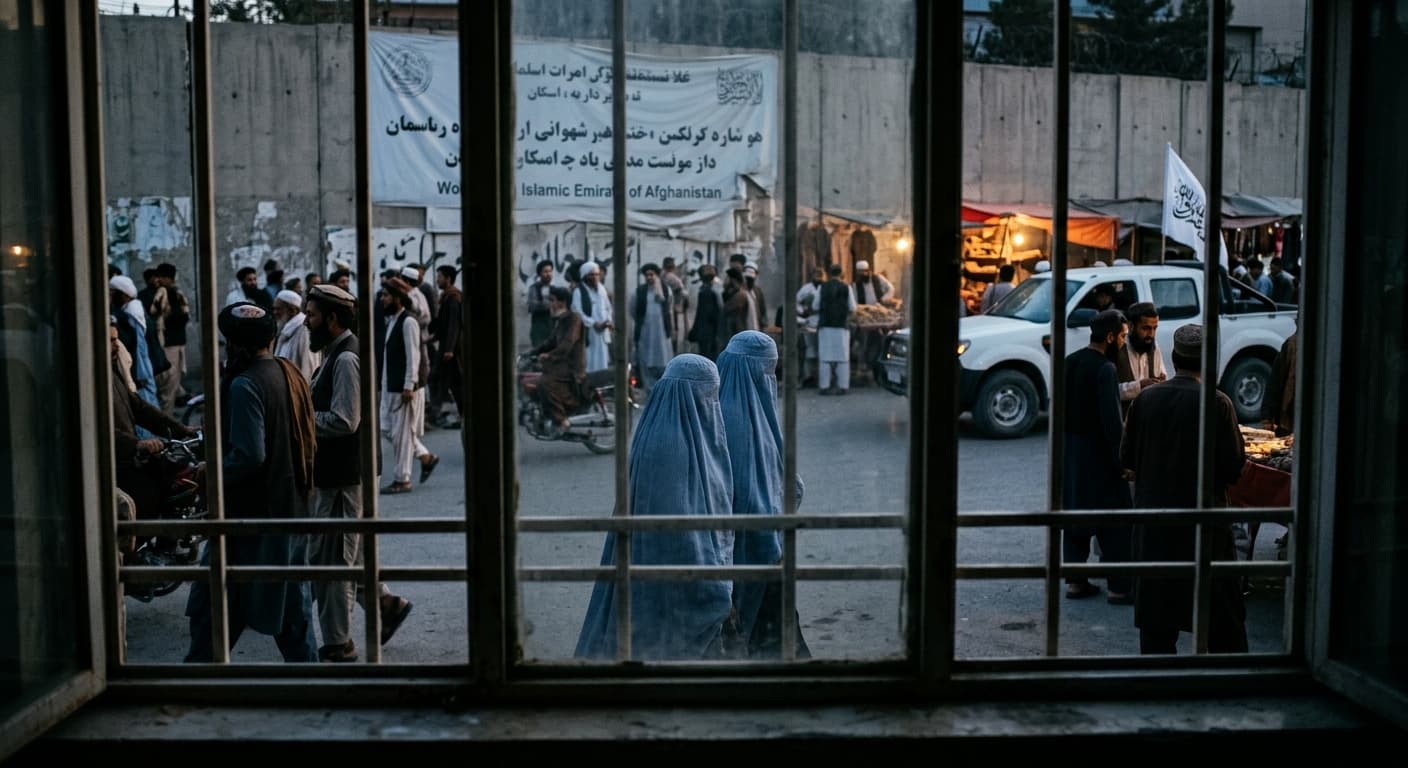
World Normalises Taliban as Afghan Women Eras
UN data shows Afghan women erased from public life as Russia recognises the Taliban, EU hosts officials in Brussels, and ICC warrants for gender persecution go unenforced.
Conflict & Security
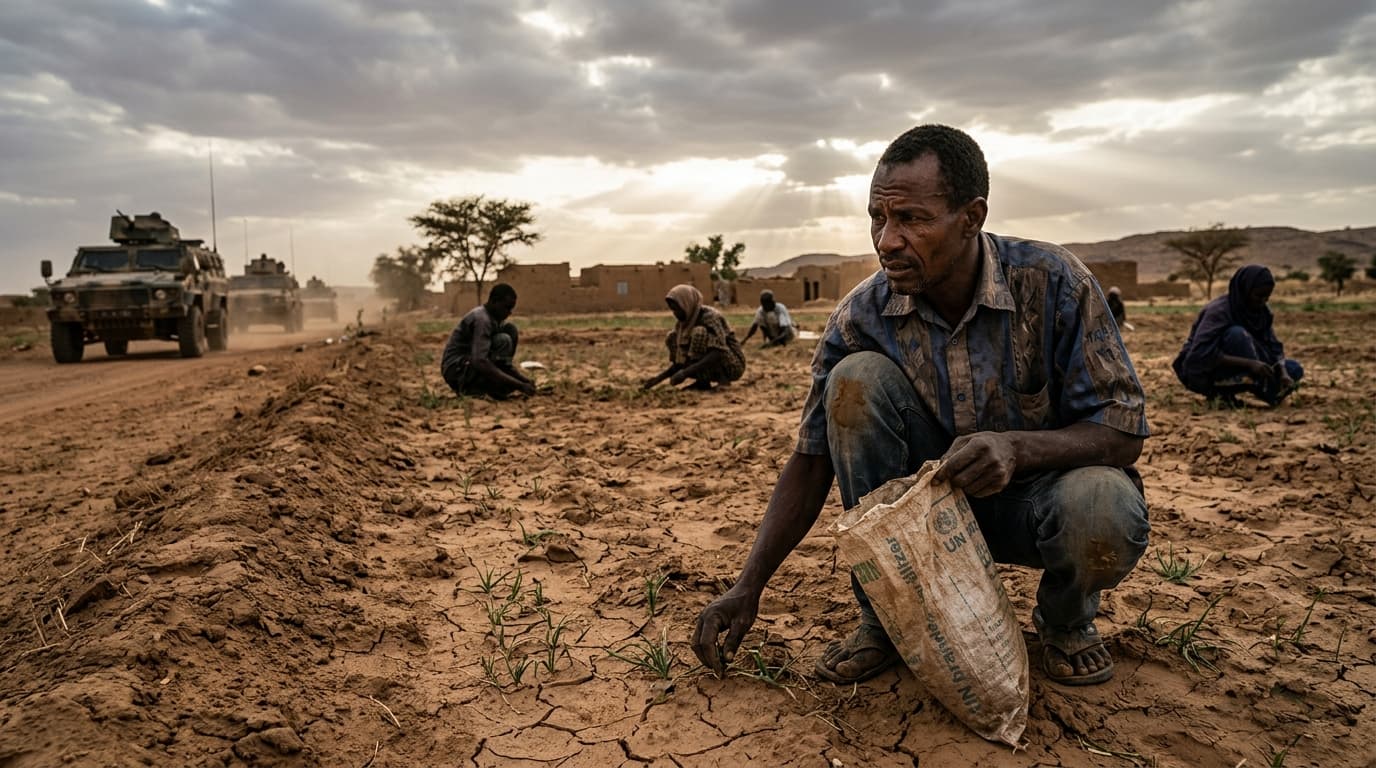
West Africa Food Crisis: Three Shocks in 2026
Conflict, climate extremes, and the Strait of Hormuz closure drive a severe food crisis in West and Central Africa, with fertilizer prices surging 80% and millions displaced.