Trump Halts Hormuz Strategy for Iran Talks
U.S. shifts strategy from military pressure to diplomacy with Iran.
Model Diplomat2 min readMiddle East
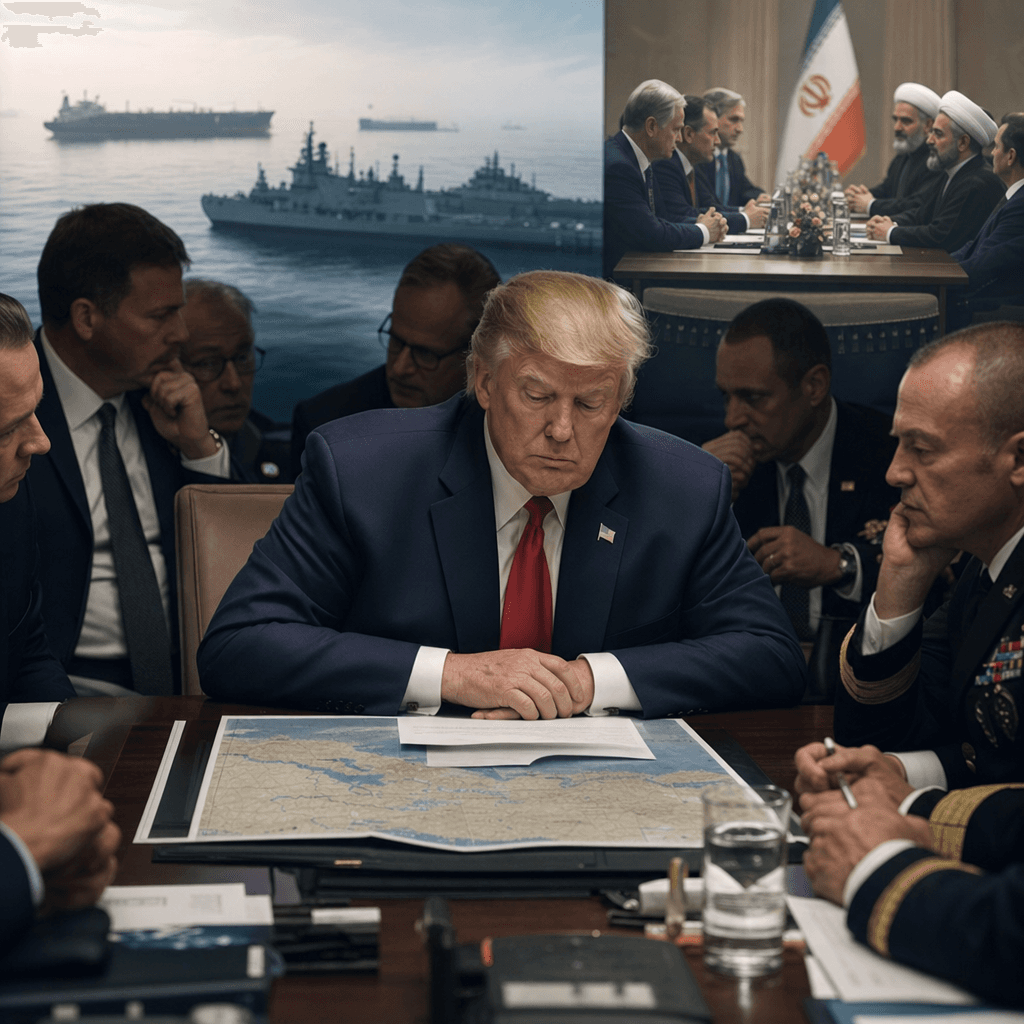
Trump Pauses Hormuz Push as Iran Talks Gain Traction
Washington is trading maritime pressure for diplomatic space: Trump has paused Project Freedom, but kept the blockade on Iran’s ports as leverage in talks.
Trump is using the Strait of Hormuz as the bargaining chip. On Tuesday, he said the U.S. would pause “Project Freedom” — the effort to escort stranded ships through the strait — so negotiations with Tehran could move toward a “complete and final agreement,” while the blockade on Iranian ports stays in place. AP News,
Reuters
Why this matters
This is not de-escalation; it is leverage management. The U.S. controls the strongest military position in the Gulf and can reopen or choke off maritime access, but Iran still holds a powerful counterweight: disruption in the world’s most sensitive oil corridor. Reuters reported that Tehran’s effective closure of the strait had already sent fuel prices higher and bottled up hundreds of ships, which is why Washington is treating passage through Hormuz as part of any settlement, not a side issue. Reuters,
Reuters explainer
The political logic is straightforward. Trump gets to claim he has forced Iran into talks after military pressure and maritime coercion; Tehran gets an opening to seek sanctions relief and relief from the blockade without appearing to concede under fire. The U.S. also appears to be using third-country channels — Reuters says messages are passing via Pakistan — which tells you direct talks are still fragile and politically costly. AP News,
Reuters
For policymakers, the key point is that the U.S. is trying to convert tactical control of the waterway into diplomatic compliance on Iran’s nuclear program. That only works if Tehran believes the alternative is worse than a deal. History says this is a risky bet: after the 2019 tanker crisis, the Strait became a classic coercive tool, with Iran repeatedly using maritime pressure to raise the cost of confrontation. Reuters,
Reuters
What to watch next
The next decision point is whether the diplomatic track produces a draft deal fast enough to justify extending the pause. Reuters says Washington wants a final U.N. text by Friday and a vote early next week on a resolution aimed at restoring freedom of navigation and pressuring Iran. If that slips, the military option comes back into view quickly. Reuters
For now, the U.S. has chosen to keep the pressure while lowering the temperature — a classic negotiating move, but one that only works if Tehran believes the pause is temporary. For more on the broader strategic picture, see Global Politics and
United States.
Discover more
International Relations
Trump Shifts Focus to North Korea's Nukes
Trump pivots to North Korea post-Iran deal, but experts see potential pitfalls.
International Relations
Trump Shifts Focus to North Korea Strategy
Trump's renewed focus on North Korea comes amid changing geopolitical dynamics.

International Relations
Trump Cuts South Africa's HIV Lifeline
Trump's administration ends $400 million in HIV funding for South Africa, risking lives.
Global Politics
Iran Demands US Enforce Ceasefire
Iran insists the US must enforce a ceasefire in Lebanon to uphold the MoU.