Russia's War Tactics: Force and Culture
Exploring Russia's tactics in Ukraine and cultural diplomacy.
Model Diplomat3 min readEurope
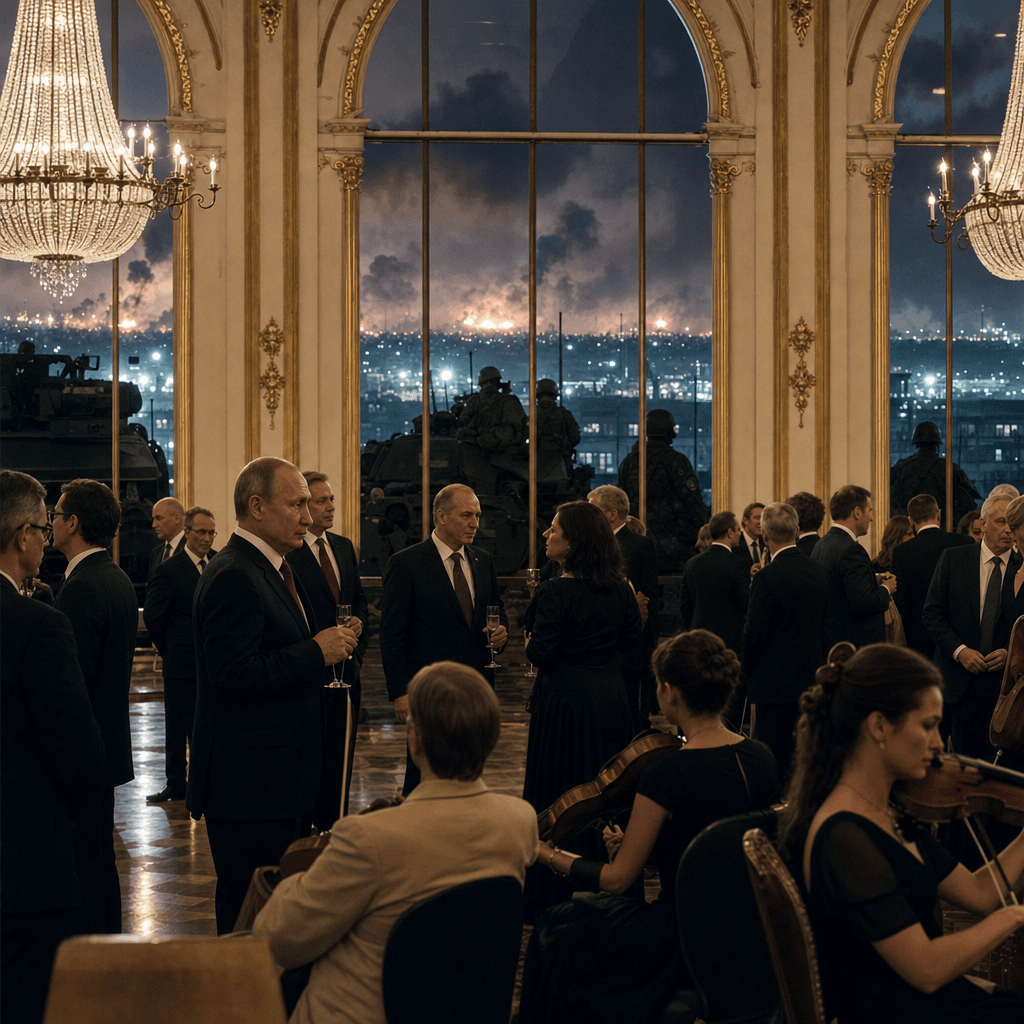
Russia Uses Force and Culture to Shape the War
Deadly strikes across Ukraine and Russia’s return to Venice both serve the same aim: normalize coercion while Kyiv scrambles to keep attention on the war.
Russia is using violence to reset the diplomatic calendar. The death toll from strikes across Ukraine has risen to at least 27, making this one of the deadliest rounds of attacks so far this year, with killings reported in Zaporizhzhia, Kramatorsk, Dnipro and the Poltava gas fields. The attacks landed just hours before the deadline for Kyiv’s proposed open-ended ceasefire, turning a humanitarian gesture into a test of resolve rather than a path to talks. (The Guardian)
Pressure on Kyiv, not compromise
The pattern matters more than the body count alone. Moscow has repeatedly paired battlefield pressure with public diplomacy around May 9, trying to frame itself as the side favoring “peace” while keeping the tempo of strikes high. That playbook was visible again this week: Ukraine said it would halt fire on May 6, while Russian messaging centered on Victory Day and rejected the idea of a broader pause. The result is leverage, not negotiation — Russia tries to force Kyiv into discussing ceasefires on Moscow’s timetable, under conditions Moscow can violate or redefine. (Le Monde;
BBC)
Ukraine’s immediate loser is not just civilians, though they pay the highest price. It is also Kyiv’s effort to keep Western capitals focused on air defense, sanctions enforcement, and the costs of Russian escalation. When Russia can kill 27 people in a single wave and still command the diplomatic stage, the burden shifts to Ukraine to prove that restraint is not weakness. For background on the wider geopolitical frame, see Global Politics and
International.
Venice shows Russia still wants normalization
The Venice Biennale dispute is the softer side of the same campaign. Russia’s pavilion is back at the 2026 edition after a four-year absence, despite opposition from the Italian government, EU officials, and a joint letter from 22 European culture ministers urging organizers to reconsider. EU foreign policy chief Kaja Kallas said the bloc sees Russia’s return as “morally wrong” and has moved to cut funding to the Biennale over the decision. (POLITICO;
POLITICO)
That matters because Moscow benefits from any venue that makes its isolation look temporary. The Biennale gives the Kremlin exactly what it wants: proof that European institutions cannot sustain a unified cultural boycott while the war continues. Ukraine loses symbolic ground here too; Russia gains a platform to argue that sanctions are porous and that elite Europe is tiring of the war. The jury’s resignation over Russia’s participation only sharpened the split. (BBC;
POLITICO)
What to watch next
The next decision point is May 9: Russia’s Victory Day parade, the likely moment for more ceasefire theater, and the Venice Biennale’s opening, where Europe will decide whether to tolerate Russian cultural re-entry or widen the boycott. If the strikes continue through that date, the message is plain: Moscow is still trading lives for leverage, and it believes the payoff is diplomatic normalcy.
Discover more
Global
Kyiv's Empty Quiver: Ankara Summit on NATO
As Russia strikes Kyiv, NATO's Ankara summit must address Ukraine's urgent air defense needs amid dwindling interceptor supplies.
India
Russia's Balancing Act with India and China
Russia's deepening dependence on China is straining its long-standing strategic partnership with India, exposing the limits of Moscow's balancing act in Asia.
Conflict & Security
Russia Encircles Konstantinovka—Key to Donbas
Russia's encirclement of Konstantinovka could unlock the wider Donbas for further advances, marking a pivotal moment in its grinding eastern offensive.
Conflict & Security
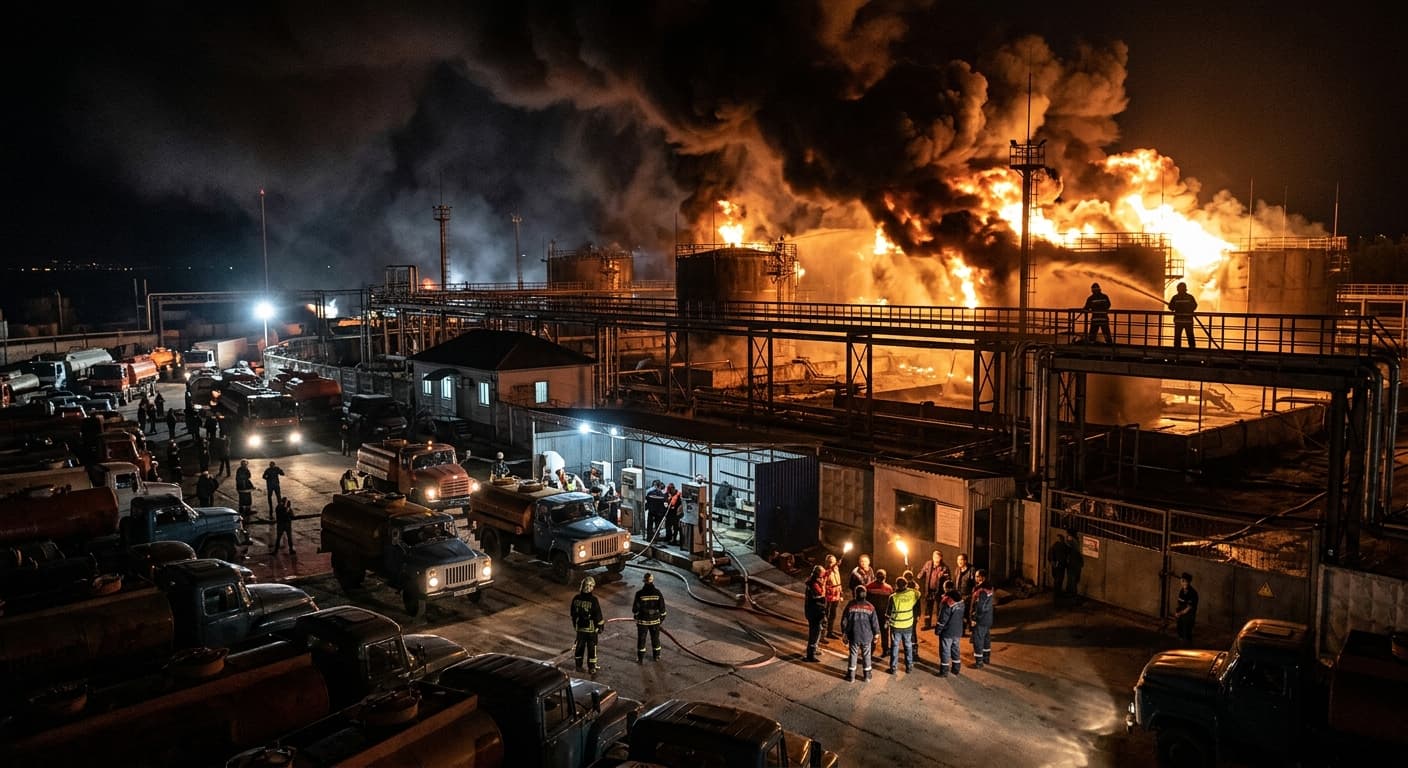
Ukraine's Energy Offensive Hits Crimea
Ukraine's drone campaign is disrupting Russian fuel supplies and forcing rationing in Crimea, turning energy infrastructure into a key front of the war.