Trump's Hormuz Escort Pause
Analyzing the implications of Trump's Hormuz strategy.
Model Diplomat3 min readMiddle East
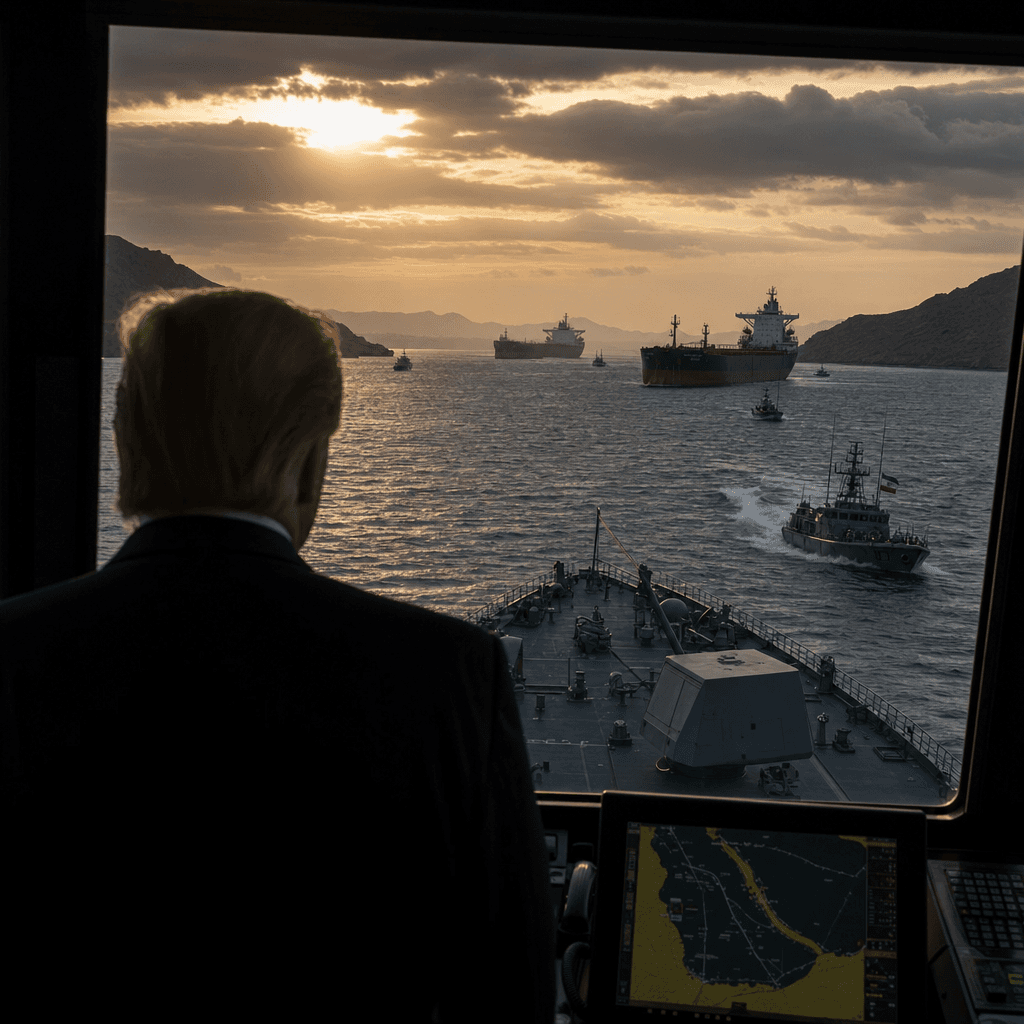
Trump Pauses Hormuz Escorts, Raising the Price of Peace
Washington is using its most powerful lever in Hormuz—control of maritime risk—to test whether Tehran will trade de-escalation for a broader deal.
Trump’s pause of Project Freedom is not a retreat; it is a bargaining move. By suspending the U.S. escort effort in the Strait of Hormuz while citing “great progress” with Iran, Washington is signaling that access to the waterway can be relaxed or tightened depending on negotiations, not just battlefield conditions. Reuters reported that the U.S. launched the escort mission after fresh violence in the strait, where Tehran’s pressure had already pushed the world’s most sensitive energy chokepoint into crisis. Reuters
Reuters
Why Hormuz gives Washington leverage
Hormuz is the point of maximum pressure because it is the point of maximum exposure. Reuters’ explainer says the strait is only 21 miles wide at its narrowest point, with shipping lanes just 2 miles across in each direction, and roughly a fifth of global oil and LNG normally passes through it. That means even limited disruption can move energy prices, insurance costs and shipping routes far beyond the Gulf. Reuters
That is why a naval escort mission matters politically even if it is militarily imperfect. Washington has learned from the Red Sea: Reuters reported in March that Western powers spent billions protecting shipping from the Houthis and still failed to restore normal traffic. Hormuz is harder, because Iran has more firepower, a narrower operating environment and direct control over one side of the strait. The lesson is simple: escorts buy time, not certainty. Reuters
Reuters
Who gains if this becomes a deal
A pause helps Trump if it lowers oil-market panic without forcing a long naval commitment. It helps Iran if the next step is sanctions relief, a face-saving diplomatic track, or a deal that locks in freer shipping without formal surrender. It also helps Gulf states and shippers if the pause is a prelude to a durable arrangement rather than a temporary lull. Reuters reported on April 6 that earlier proposals linked an immediate ceasefire, reopening the strait and a later comprehensive settlement, which suggests the current moment may be a revived version of that same structure. Reuters
The losers are the hardliners who benefit from uncertainty. On the U.S. side, hawks lose if Trump trades military pressure for diplomacy. On the Iranian side, the IRGC loses if maritime coercion stops producing leverage. If the talks fail, Trump will look like he blinked first; if they succeed, he will have used the threat of force to move Iran back toward the table. For more on the wider geopolitical frame, see Global Politics and
United States.
What to watch next
The next decision point is concrete: Reuters said Washington hoped to circulate a final U.N. draft by Friday and push a vote early next week. If that happens, the real test is whether the U.S. converts the Hormuz pause into a Security Council track — or whether Iran reads it as a sign that pressure is already easing. Reuters
Discover more
Conflict & Security
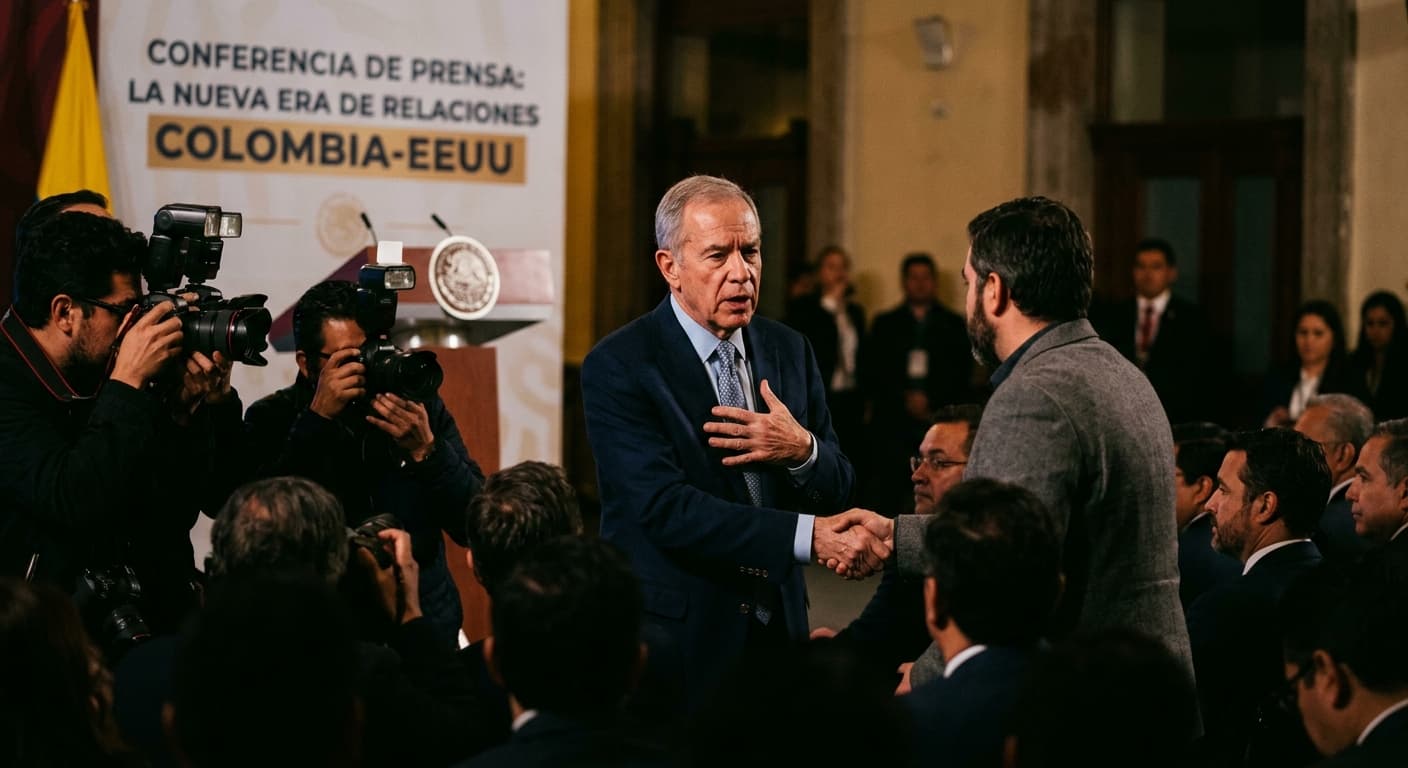
De la Espriella's Razor Win Resets US-Colomb
De la Espriella's razor-thin election win signals a reset in US-Colombia relations, reshaping security ties and the agenda under a Trump-aligned approach.
International Relations
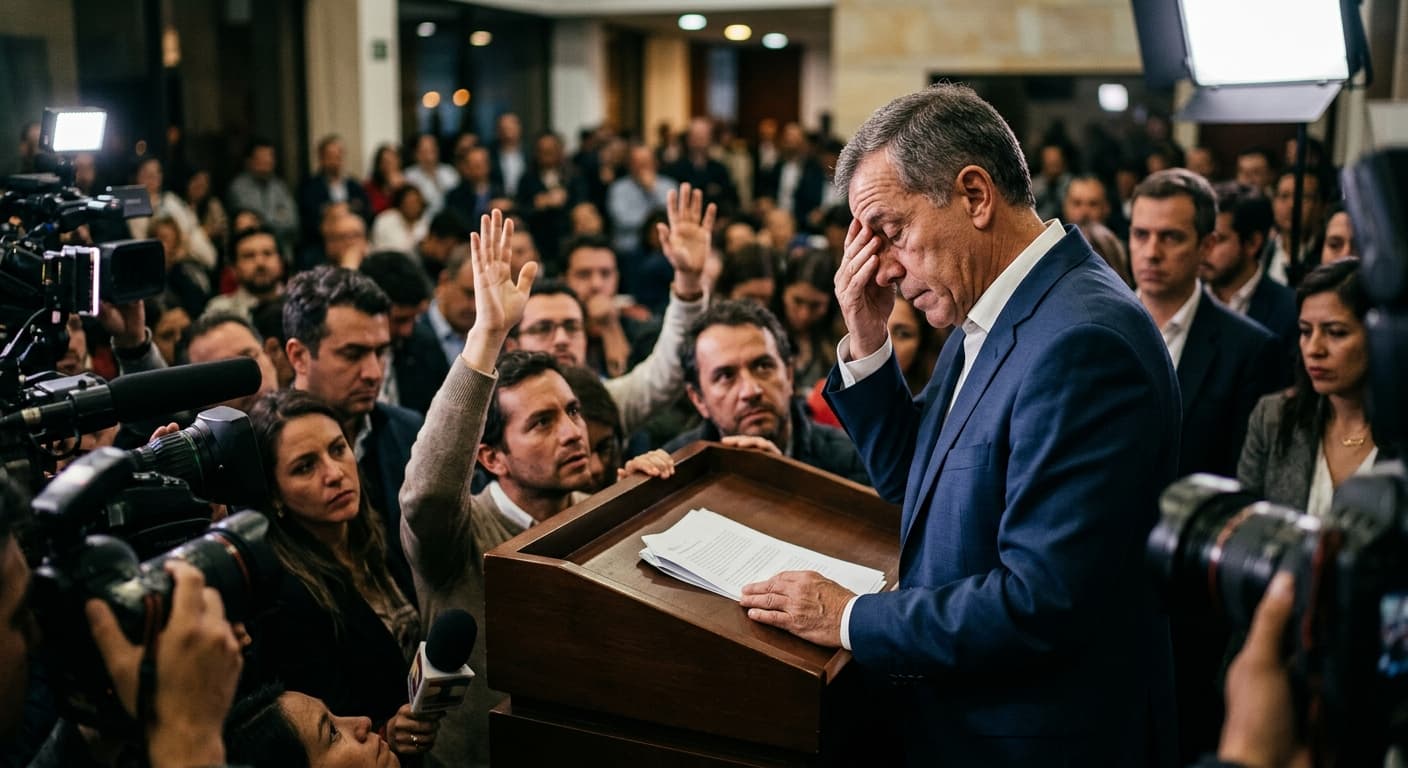
Colombia's Razor-Thin Rightward Pivot
Colombia swings right as Abelardo de la Espriella narrowly wins the presidential runoff by under one percent, exposing a deeply divided and polarized nation.
Global Politics
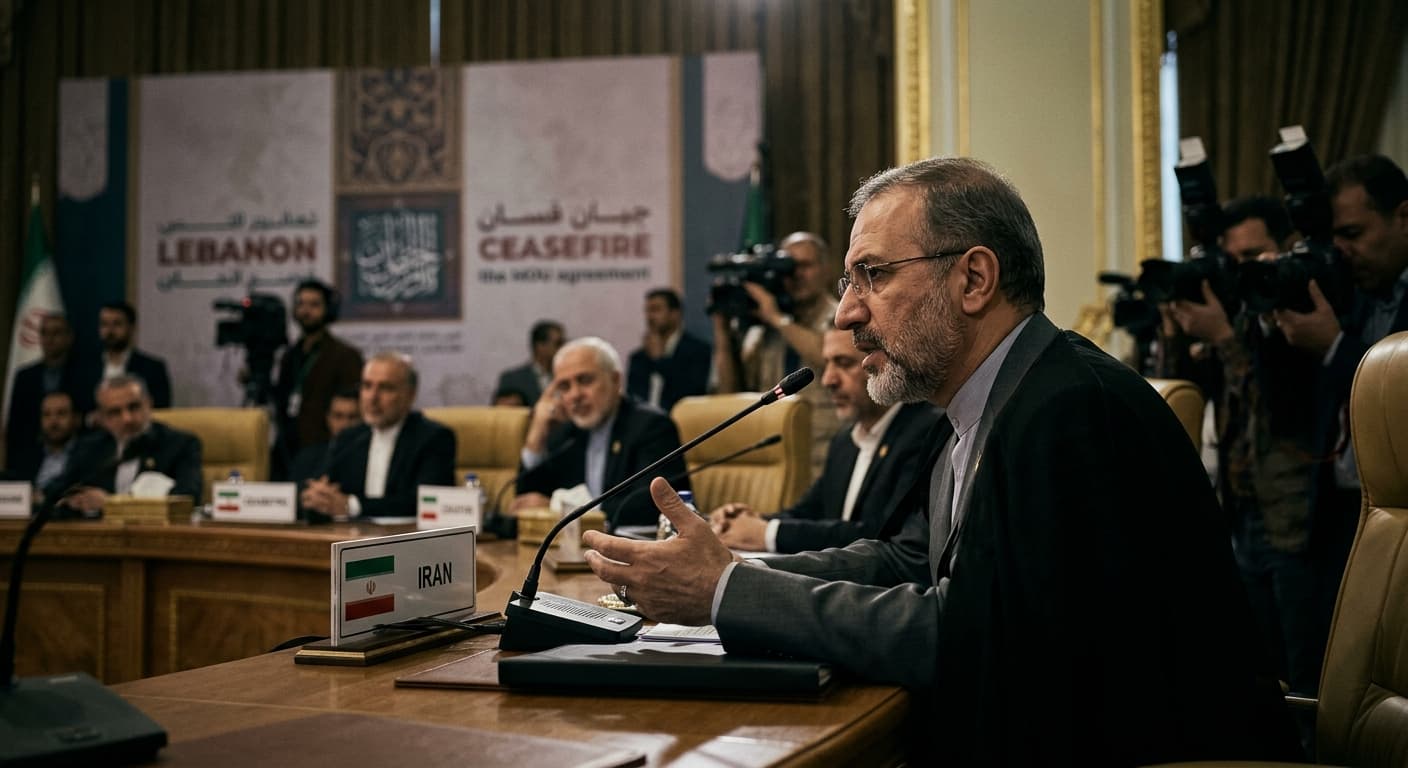
Iran Demands US Enforce Ceasefire
Iran insists the United States must enforce a ceasefire in Lebanon to uphold the memorandum of understanding, raising pressure on Washington and Netanyahu.

Conflict & Security
Trump's Iran Deal Faces Bipartisan Backlash
Trump's Iran deal draws fierce criticism from both Republicans and Democrats, exposing deep political divides over the ceasefire and the terms of the agreement.