Trump Endorses De la Espriella in Colombia
A pivotal endorsement reshapes Colombia's political landscape.
Model Diplomat3 min readSouth America
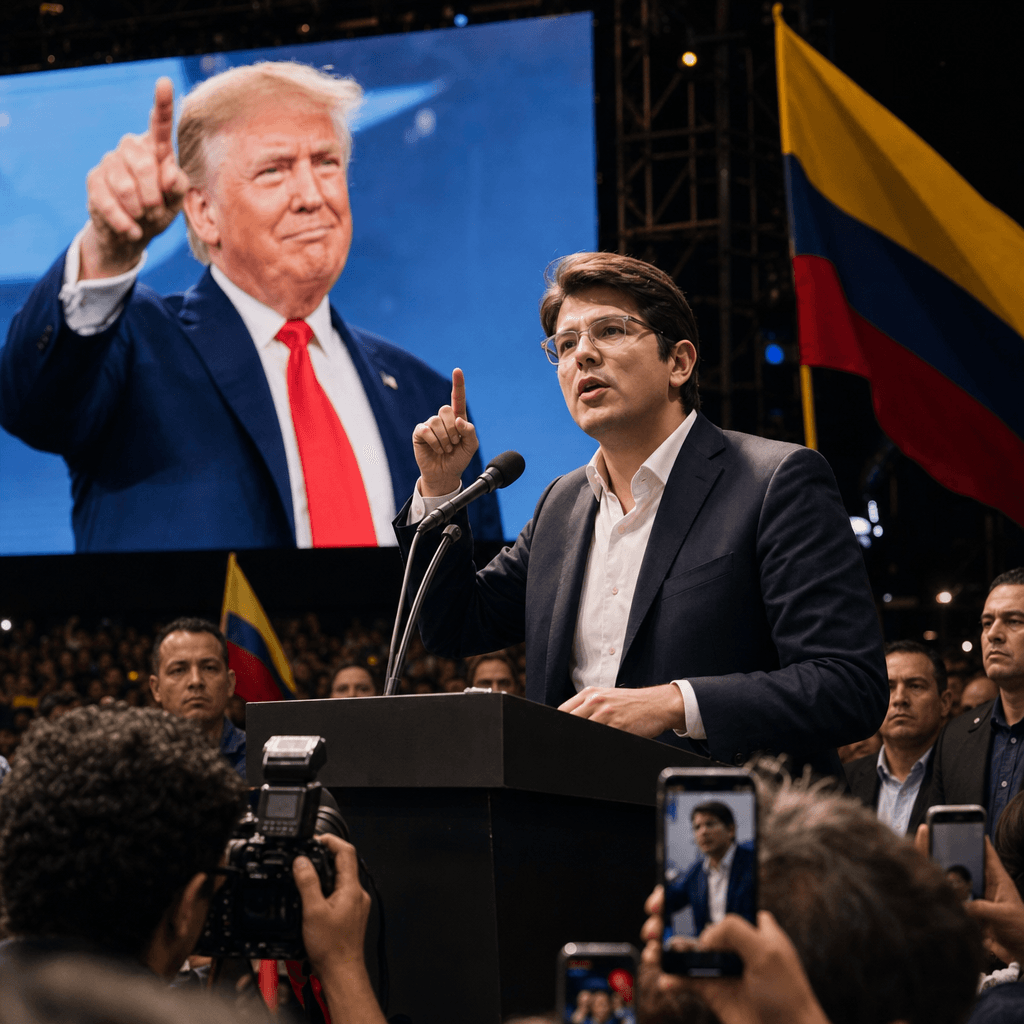
Trump Reshapes Colombia’s Runoff With ‘Tiger’ Endorsement
US President Donald Trump’s endorsement of right-wing candidate Abelardo de la Espriella highlights a wider regional strategy to dismantle left-wing influence in South America.
Outgoing Colombian President Gustavo Petro’s accusation that Washington is allying with "narco-traffickers" marks the lowest point of US-Colombia bilateral relations in decades. As reported by France 24, Petro’s outburst was triggered by US President Donald Trump’s endorsement of Abelardo de la Espriella, a hard-right political outsider who won the first round of voting on May 31. Calling Trump’s message a flagrant violation of sovereignty, Petro’s rhetoric highlights how deeply the fight against cartels has been politicized, turning Colombia's domestic election into a high-stakes geopolitical battleground for control of
Latin America.
The Fragile State of Play
The war of words represents a fundamental clash over security policy. Historically, Colombia has been the most reliable US partner in South America, receiving hundreds of millions of dollars in security assistance annually. Under Petro, however, that alliance has completely fractured. While Petro has pursued a negotiated "Total Peace" strategy with armed groups, cocaine production has soared to record highs, prompting the US to decertify Colombia’s drug-fighting efforts last year, according to NPR.
Bilateral relations deteriorated further in October 2025 when the US Treasury Department, as reported by Al Jazeera, took the extraordinary step of imposing sanctions on Petro and his family over what Washington deemed a failed counter-narcotics policy. By endorsing De la Espriella—who has expressed a desire to restore close security ties and supports US military actions against drug boats—Trump is attempting to install a security partner willing to resume aggressive, militarized crop eradication and maritime interdiction.
Regional Leverage and Electoral Stakes
The political beneficiary of Washington's pressure is undoubtedly Abelardo de la Espriella. The right-wing lawyer, who secured 43.74 percent of the first-round vote, has positioned himself as an ideological ally of Trump. In contrast, the leftist candidate Iván Cepeda, Petro’s allied successor, secured 40.90 percent of the vote. Cepeda has pledged to resist US pressure, insisting that Colombia will not operate as a "vassal state" in a failed military drug war, as reported by BBC News.
The regional dimension expands beyond Washington. Neighboring Ecuador, led by President Daniel Noboa, has also intervened, promising to drop tariffs early to reward a potential De la Espriella administration under a "joint fight against narcoterrorism." This coordinated center-right pressure is designed to isolate left-leaning administrations across South America. For Petro's coalition, this represents an existential threat that could dismantle years of negotiations under the "Total Peace" initiative and plunge border regions back into all-out conflict.
The Road to June 21
The next critical decision point is the June 21 runoff election. This vote will determine whether Colombia pivots back toward Washington's hardline security umbrella or chooses nationalist isolation. If De la Espriella wins, Bogotá will likely reverse Petro's bans on aerial fumigation and approve unchecked joint US maritime bombings. If Cepeda prevails, the diplomatic decoupling of Washington and Bogotá will solidify, creating a prolonged security vacuum in the world's primary cocaine-producing nation.
Discover more
Global
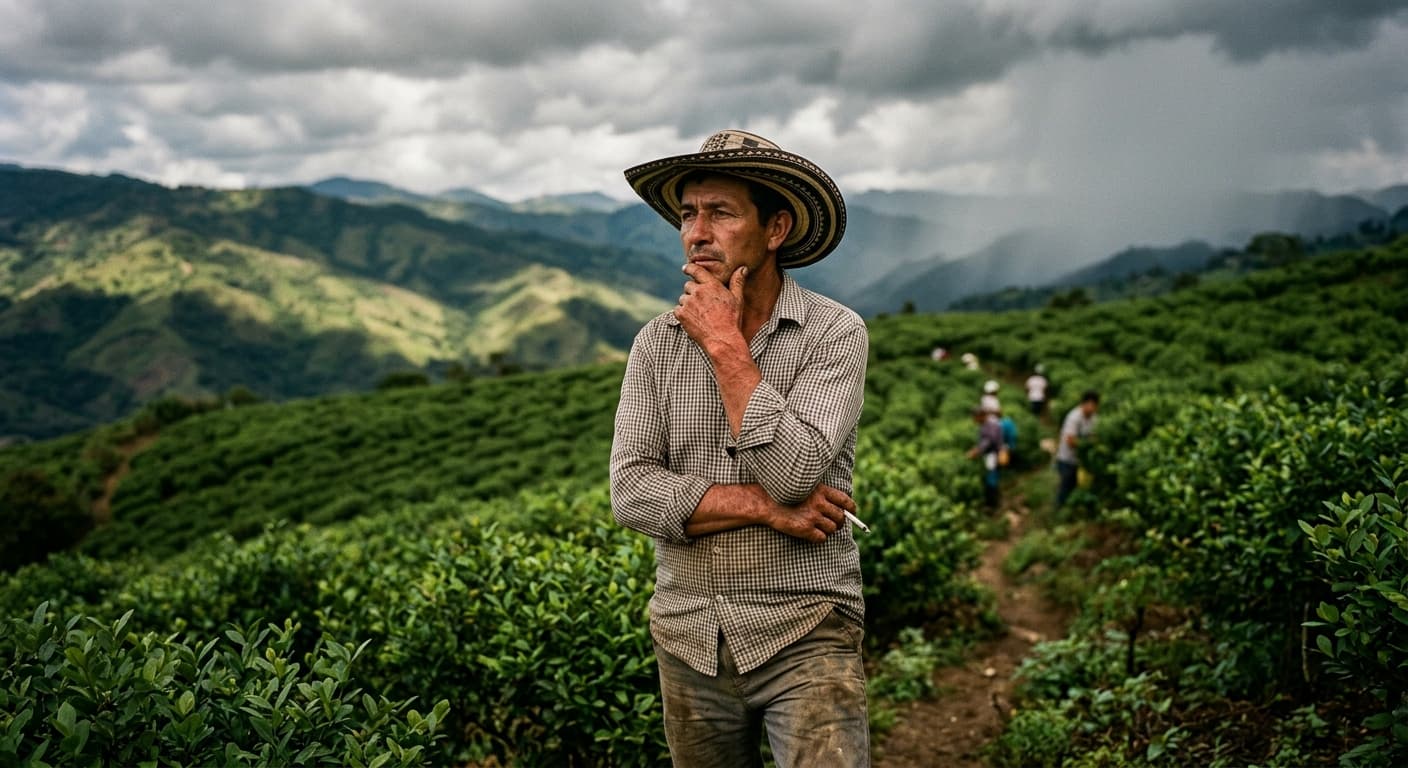
Colombia's Coca Bet: De la Espriella's Plan
Colombia's coca cultivation hits 261,000 hectares as new president De la Espriella plans aggressive eradication strategies amid U.S. scrutiny.
Conflict & Security
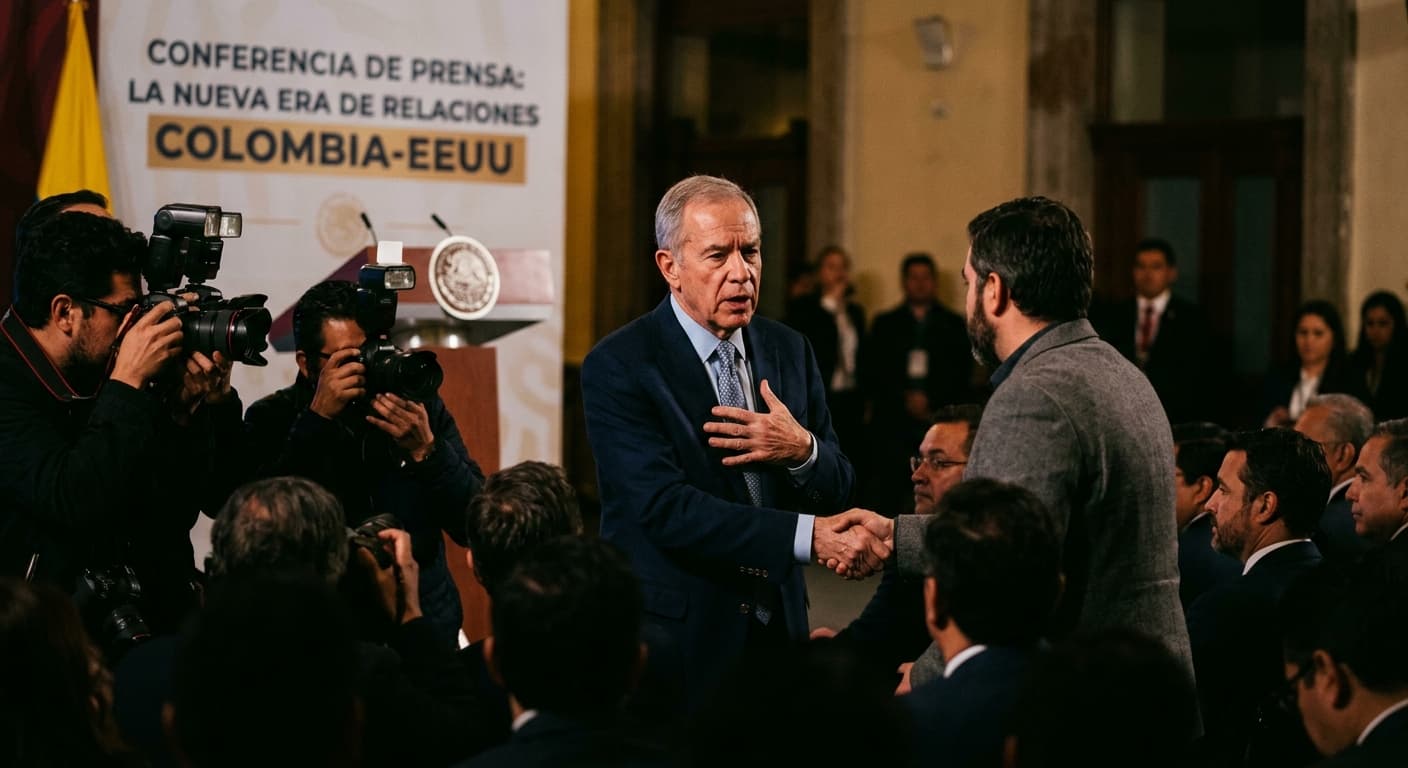
De la Espriella's Razor Win Resets US-Colomb
De la Espriella's razor-thin election win signals a reset in US-Colombia relations, reshaping security ties and the agenda under a Trump-aligned approach.
International Relations
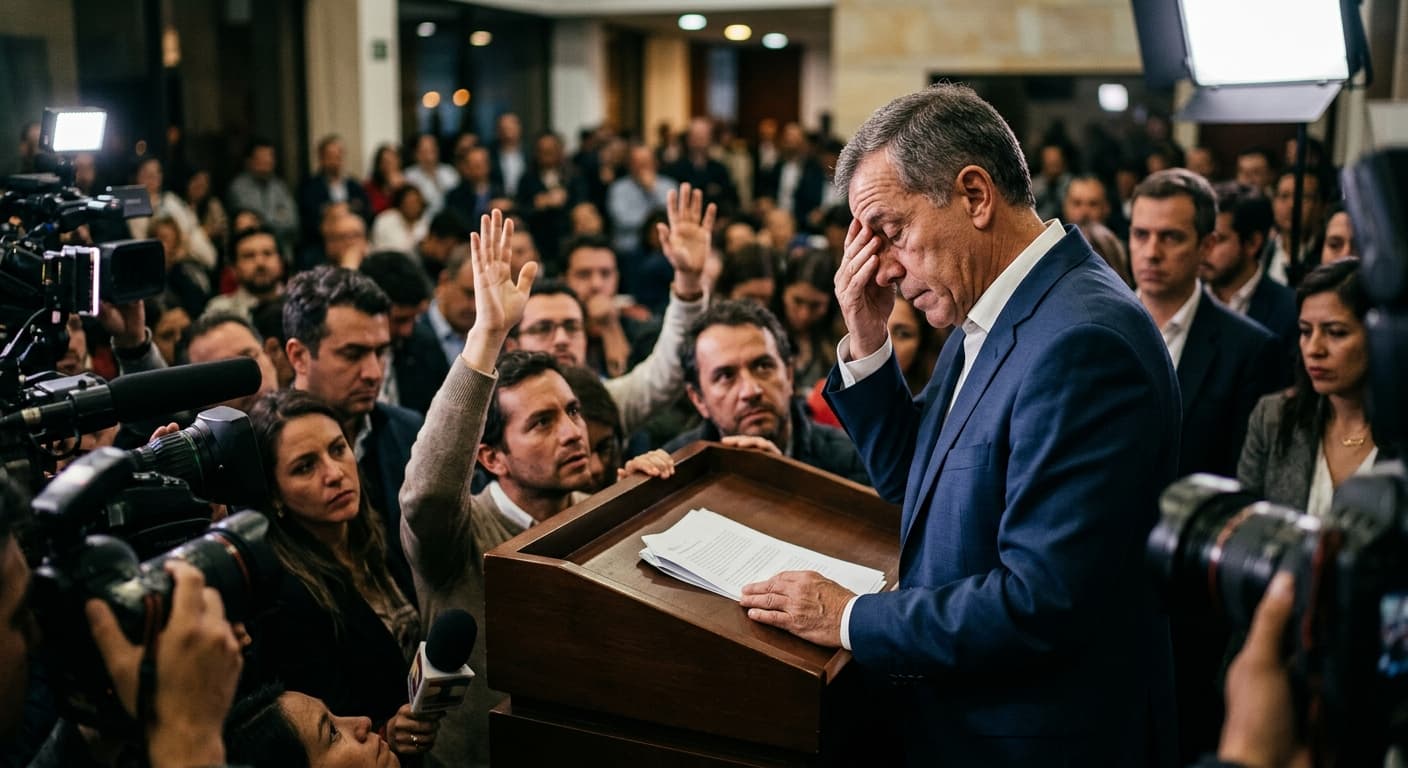
Colombia's Razor-Thin Rightward Pivot
Colombia swings right as Abelardo de la Espriella narrowly wins the presidential runoff by under one percent, exposing a deeply divided and polarized nation.
Conflict & Security
De la Espriella's Victory Could Unwind Peace
Colombia's election pits De la Espriella's hardline military approach against ongoing peace negotiations, leaving the fragile peace process in the balance.