Trump Pushes for FISA Section 702 Renewal
Debate over privacy and security intensifies in Congress
Model Diplomat3 min readUnited States
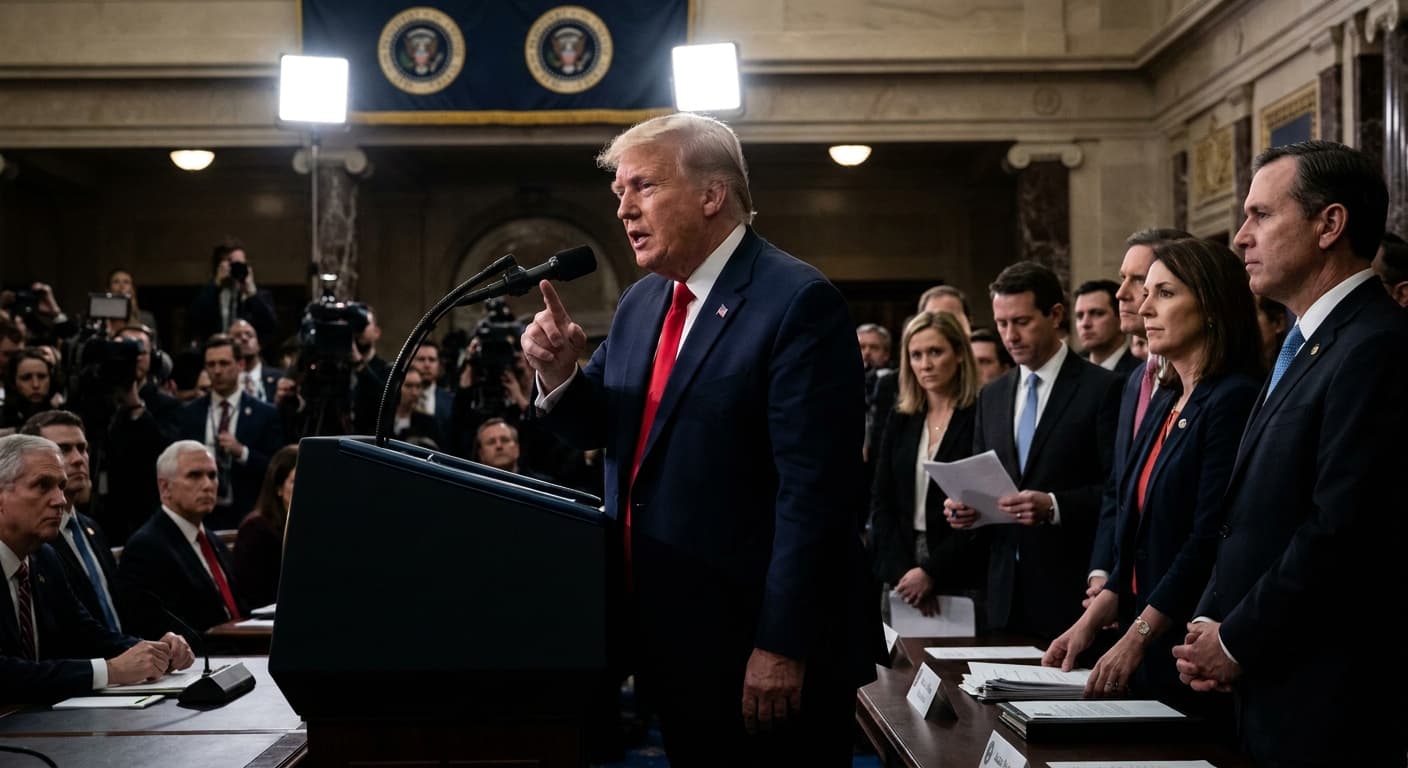
Trump Urges Extension of Foreign Surveillance Under FISA Section 702
Trump pushed Congress to renew a critical but controversial foreign spying authority, spotlighting ongoing tensions about privacy and security trade-offs.
The U.S. Congress is moving to reauthorize Section 702 of the Foreign Intelligence Surveillance Act (FISA), a powerful surveillance program that allows U.S. intelligence agencies to collect communications of foreign targets overseas. Crucially, the program incidentally collects data from Americans communicating with these foreign targets. Former President Donald Trump weighed in, urging lawmakers to extend the program for another 18 months, emphasizing its importance for national security.
Why Section 702 Matters
Section 702 has been central to U.S. counterterrorism and intelligence efforts since its enactment in 2008, allowing agencies like the NSA and FBI to surveil foreign communications without a warrant. The program targets non-U.S. persons reasonably believed to be located outside the United States, but the incidental collection of Americans’ data — often of innocent citizens — has long fueled privacy concerns and calls for reform.
Trump’s public support highlights a frequent executive branch stance prioritizing intelligence capabilities over privacy reforms. This program helped uncover plots and gather critical intelligence in an evolving threat landscape, including terrorism and cyber threats. The former president’s endorsement sends a clear signal to Congress about the political stakes tied to these tools amid heightened concerns over both domestic security and foreign adversaries.
Privacy vs. Security: The Enduring Debate
The call to extend Section 702 is not without controversy. Civil liberties groups argue that the program’s incidental collection of Americans' communications violates Fourth Amendment protections against unreasonable searches. They demand stricter safeguards, transparency, and legislative reforms to prevent abuse, such as warrant requirements before agencies access Americans’ information swept up incidentally.
Opponents also cite past abuses, including the FBI improperly using raw Section 702 data for routine criminal investigations unrelated to national security. Meanwhile, supporters underscore the intelligence value, warning that weakening or delaying reauthorization risks degrading U.S. national security capabilities amid a complex global threat environment.
This program’s renewal has become a routine but fraught congressional showdown, emblematic of broader questions about how modern surveillance should be balanced with constitutional rights in an age of digital communications.
What to Watch Next
Congress is on the clock to prevent a lapse, with the current authorization set to expire soon. Key lawmakers and intelligence officials will negotiate over potential reforms, such as enhanced oversight mechanisms and minimization procedures to limit Americans’ incidental data collection.
Trump’s intervention may influence Republican lawmakers, some of whom have expressed mixed views about extending surveillance powers. How Democrats, some of whom are pushing for stronger privacy protections, respond will shape the final carve-out.
This debate is part of a larger U.S. political context embroiled in questions about intelligence oversight, privacy laws, and government powers. Watch closely how Congress navigates these tensions, as the outcome will set the precedent for U.S. intelligence operations and civil liberties balance into the late 2020s.
For more on U.S. Politics and surveillance policy, see our deeper analysis.
Discover more
US Politics
Congress vs. White House: War Powers Clash
Tensions escalate as Congress challenges Trump's war powers and ballroom plans, exposing deepening conflict between executive authority and legislative power.
US Politics
House Rejects Resolution on Trump's Iran Host
The House voted down a resolution to limit Trump's military actions in Iran, laying bare partisan divides and reigniting debate over presidential war powers.

US Politics
Judge Limits Trump's White House Ballroom
A federal judge curtailed Trump's White House ballroom expansion, permitting only underground construction amid legal challenges and preservation concerns.

Economics
Fed's Amex AML order puts correspondent banking on notice
Federal Reserve's Amex AML order requires board-level controls and a 90-day plan; OCC fined the bank $350 million over enterprise-wide deficiencies.