Trump's Economic Warfare Strategy on Iran
U.S. intensifies sanctions to isolate Iran financially.
Model Diplomat3 min readMiddle East
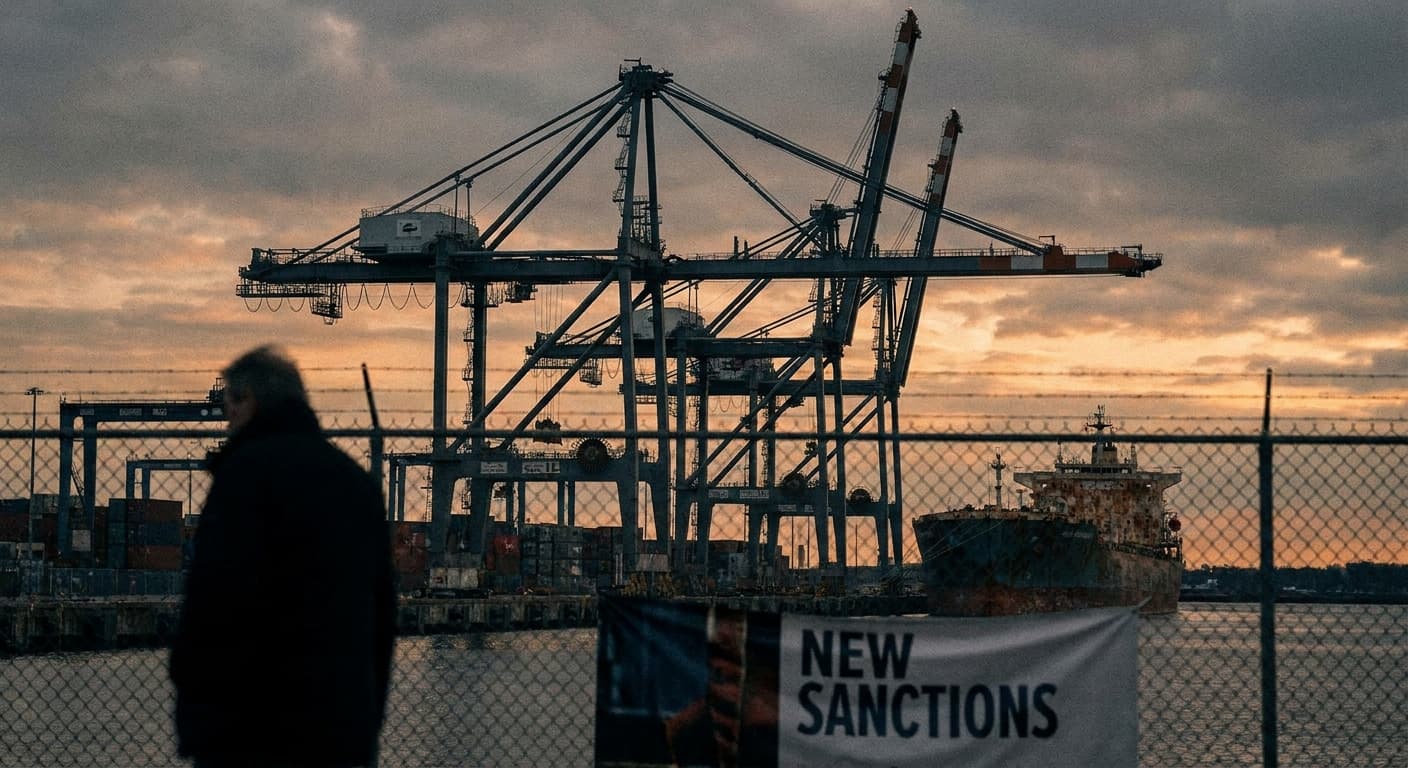
Trump Administration Shifts to Economic Warfare on Iran with New Sanctions
The U.S. Treasury vows a sanctions blitz targeting Iran’s financial lifelines, signaling a strategic pivot from bombs to balance sheets.
The Trump administration is intensifying its economic pressure campaign on Iran, aiming to use financial sanctions as a more potent alternative to military action. Treasury Secretary Scott Bessent outlined a plan to impose what he called the “financial equivalent” of bombing on Tehran, notably including secondary sanctions that punish non-U.S. companies and countries doing business with sanctioned Iranian entities. This shift marks a significant recalibration in U.S. strategy toward Iran—eschewing physical strikes for targeted economic warfare intended to isolate Iran from the global financial system and strangle its economic viability. AP News
From Kinetic to Fiscal Conflict: Why It Matters
This move reflects long-standing frustrations within the Trump administration over the limitations of military and diplomatic pressure on Tehran. Since withdrawing from the 2015 Iran nuclear deal in 2018, Washington has relied heavily on sanctions to curb Iran’s nuclear ambitions and regional influence. But previous sanctions rounds, while impactful, failed to bring Tehran to the negotiating table on Washington’s terms or significantly diminish its regional proxy activities.
By doubling down on economic warfare, the U.S. aims to exploit Iran’s growing financial vulnerabilities. Secondary sanctions are particularly powerful because they extend U.S. financial dominance globally—foreign banks and companies that engage with banned Iranian entities risk exclusion from the U.S. dollar system, effectively freezing them out of critical financial markets. This tactic can pressure even Tehran’s closest economic partners like China, Russia, and European nations to limit or sever their business ties with Iran.
Historically, secondary sanctions inflicted severe economic pain on Iran. After the 2015 nuclear deal was struck, sanctions relief helped revitalize Iran’s economy by reopening international trade and banking ties. The Trump administration’s re-imposition of sanctions after withdrawing from the deal in 2018 reversed that progress, causing a sharp economic contraction. Secretary Bessent’s announcement signals a new escalation in this economic battleground, with the U.S. aiming to tighten the noose to a near-suffocating level.
This approach also sends a clear diplomatic message: the U.S. prefers to wield financial power over military force, both to minimize the risks of regional escalation and to maintain global economic leverage. Unlike a military strike, economic sanctions allow Washington to continually calibrate pressure and target specific sectors, making the strategy more sustainable in the long term.
What to Watch Next
The immediate question is how Iran’s key economic partners will respond. European allies, wary of collateral economic damage and diplomatic fallout, have pushed back in the past against U.S. secondary sanctions, especially where they affect multinational firms operating in Iran under their governments' auspices. The Biden administration, which may follow a similar sanctions-centric approach with some policy shifts, will have to navigate this diplomatic tightrope.
Also critical is whether this economic pressure will alter Tehran’s strategic calculations or merely harden its resolve. Iran has proven resilient, relying on shadow networks, alternative currencies, and closer ties with non-Western allies (notably China and Russia) to circumvent sanctions. The success of this economic warfare hinges on America’s ability to tighten the financial grip without pushing Iran into further regional brinkmanship.
Finally, this strategy spotlights the growing centrality of financial tools in global conflict management, where sanctions have become arguably the primary weapon of choice beyond diplomacy or war. It raises broader questions about the limits of U.S. economic statecraft amid an evolving global financial architecture increasingly contested by rival powers.
For ongoing insights into this and other key international tensions, visit Global Politics and follow developments on Iran in our
Iran country profile.
Sources:
Discover more
US Politics
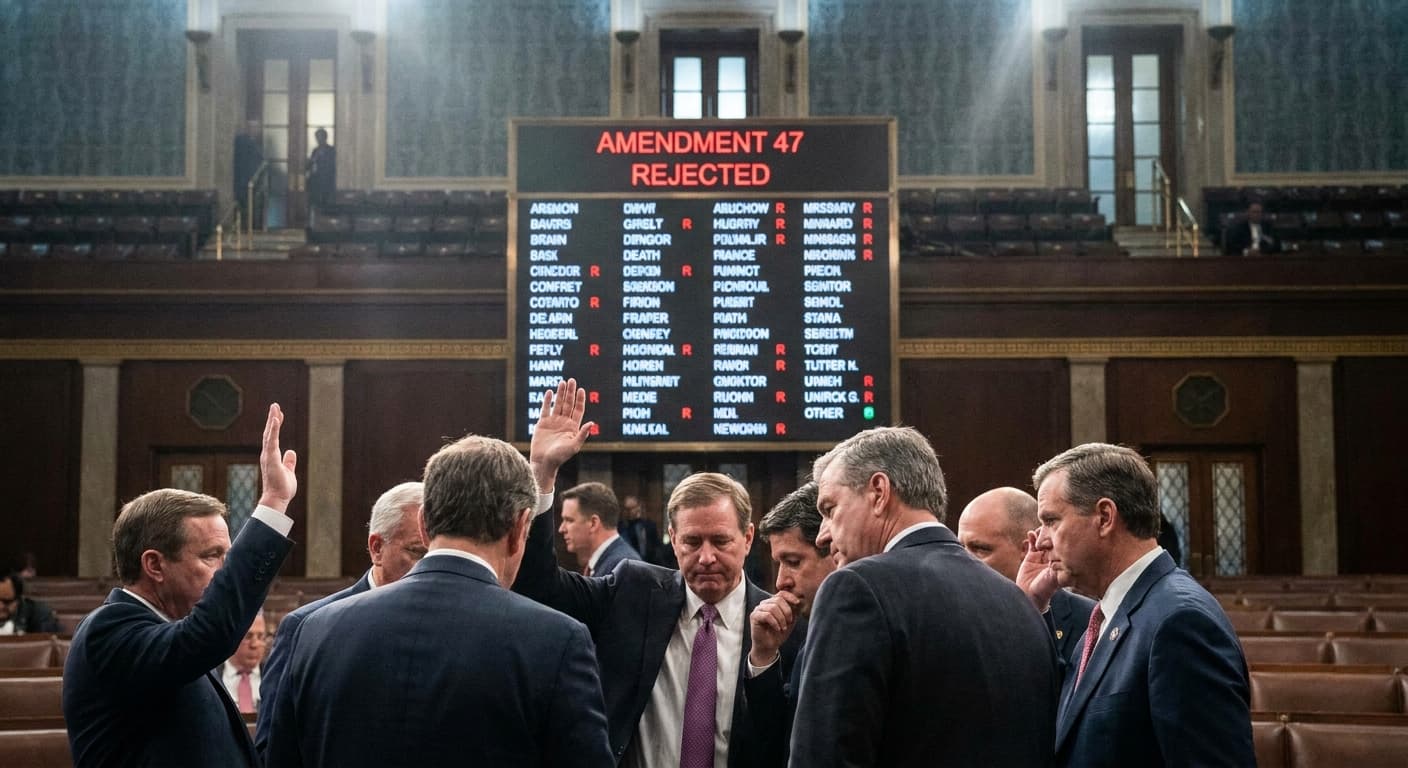
House Rejects Resolution on Trump's Iran Host
The House voted down a resolution to limit Trump's military actions in Iran, laying bare partisan divides and reigniting debate over presidential war powers.
Global Politics
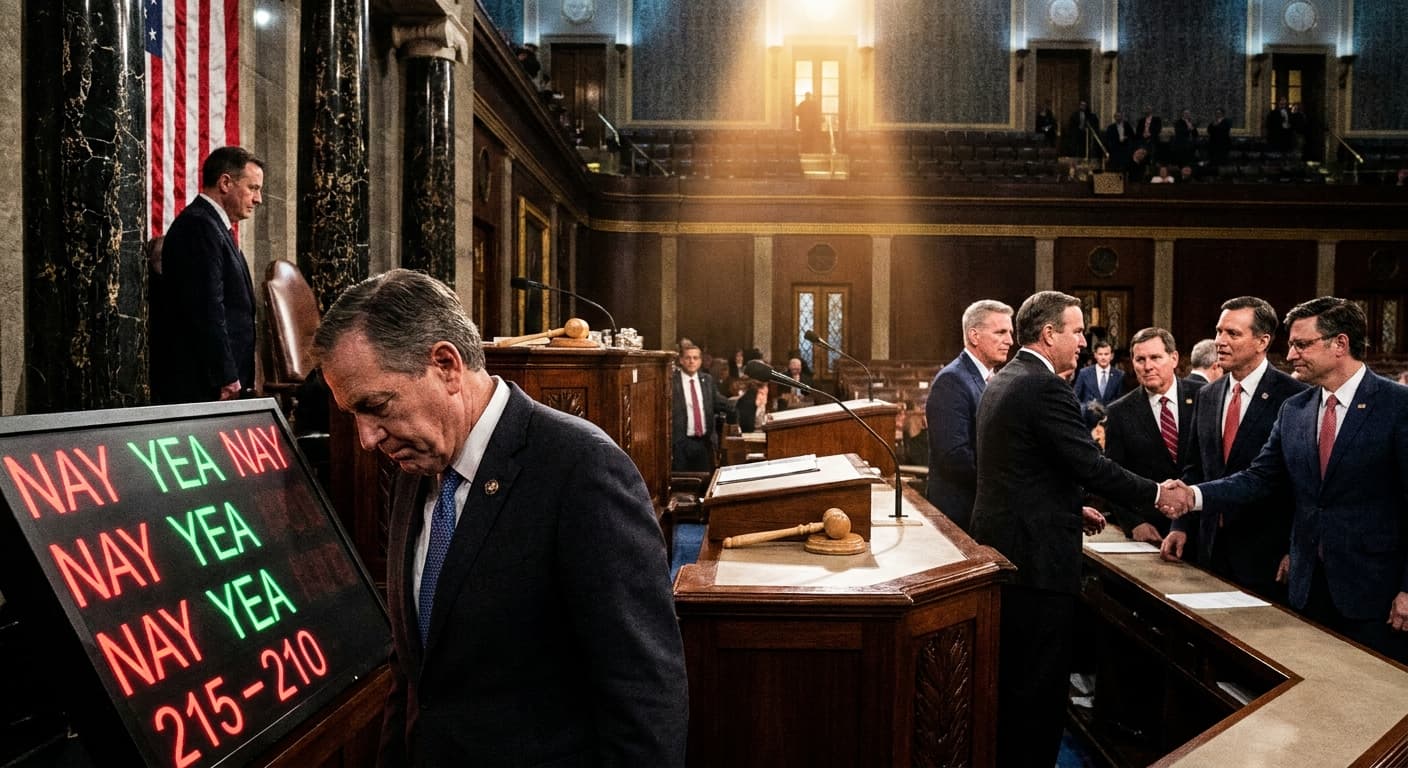
House Rejects Iran War Powers Resolution
The House narrowly rejected a resolution to limit Trump's war powers in Iran, deepening political divides over the scope of U.S. military involvement abroad.

US Politics
House Vote on Trump Iran Strikes Reveals Divs
The House narrowly declined to block Trump from striking Iran, a close vote that laid bare deep partisan divides over war powers and U.S. military action.

Economics
Fed's Amex AML order puts correspondent banking on notice
Federal Reserve's Amex AML order requires board-level controls and a 90-day plan; OCC fined the bank $350 million over enterprise-wide deficiencies.