Trump Accounts Hit 4 Million Registrations
Exploring the implications of Trump Accounts for families and politics
Model Diplomat3 min readNorth America

Trump Accounts Top 4 Million Kids — The Real Test Starts
More than 4 million children are registered for Trump Accounts. That gives the White House a powerful family-benefit message, but execution now decides who actually gains.
The White House has already won the first battle: scale. More than 4 million children are registered for Trump Accounts, and families can still sign up, according to The Hill/Nexstar’s latest report. That matters less as a personal-finance story than as a political one: President Donald Trump now has a branded, household-level benefit he can point to before funds are fully operational, turning a tax provision into a visible constituency-building tool. Over 4M kids are registered for Trump accounts: Can your child still get one?
Why the White House benefits first
Trump Accounts were created by the Republican tax-and-spending law signed in 2025 and are designed as child investment accounts with a $1,000 federal seed deposit for eligible children born between 2025 and 2028. Children born before 2025 can still have an account if they are under 18, but they do not get the federal seed money. Accounts are slated to open on July 5, 2026, with enrollment tied to IRS Form 4547 and a federal portal. New Trump accounts for children start in 2026. Here's what to know.
‘Trump Accounts’ launch date, eligibility, how to open one
What parents need to know about Trump Accounts: An FAQ
That gives Treasury and the White House unusual leverage in US Politics: they can claim millions of beneficiaries before the program’s long-term economic payoff is knowable. The account’s political value is immediate; the wealth-building value is delayed by design. Funds generally cannot be withdrawn before age 18.
What parents need to know about Trump Accounts: An FAQ
Who gains most — and who doesn’t
The biggest winners are families and employers able to keep adding money. Trump Accounts allow up to $5,000 a year in contributions, with employers able to contribute up to $2,500 toward that cap, and funds are generally invested in low-cost index products. That means the account is universal in branding, but not in outcome: households with steady income, payroll links, and employer participation will compound gains fastest. What is a Trump Account? How to sign up during 2026 tax season
How the $1,000-per-baby ‘Trump accounts’ would work and who would benefit most
That distributional point is the main critique. CNN Business noted last year that the policy would likely benefit families with capacity to save more than families living paycheck to paycheck, even if both receive the same initial grant. In the United States, that makes Trump Accounts less a pure anti-poverty tool than a long-horizon asset-building program with uneven lift.
How the $1,000-per-baby ‘Trump accounts’ would work and who would benefit most
What to watch next
The next real decision point is implementation by July 5: whether Treasury and the IRS make enrollment simple enough to convert registrations into funded, active accounts at scale. The other signal to watch is employer uptake. If major firms keep matching or contributing, the program becomes materially more valuable for middle-income households; if not, it remains mostly a $1,000 branding win for the White House. ‘Trump Accounts’ launch date, eligibility, how to open one
What is a Trump Account? How to sign up during 2026 tax season
Watch Treasury guidance, the July rollout, and whether 4 million registrations become 4 million functioning accounts. That is where the politics ends and the policy begins.
Discover more

US Politics
Next Generation Republicans
A leaked survey shows 39% of Republicans under 30 do not identify as MAGA, revealing a split in the GOP's future leadership.

Conflict & Security
Drone Warfare Killing Aid Workers at Unprec
Over 1,000 humanitarian workers killed in three years as cheap armed drones collapse legal protections. Gaza, Sudan, Ukraine, and DRC see deliberate targeting of aid convoys and hospitals with zero prosecutions.
Global
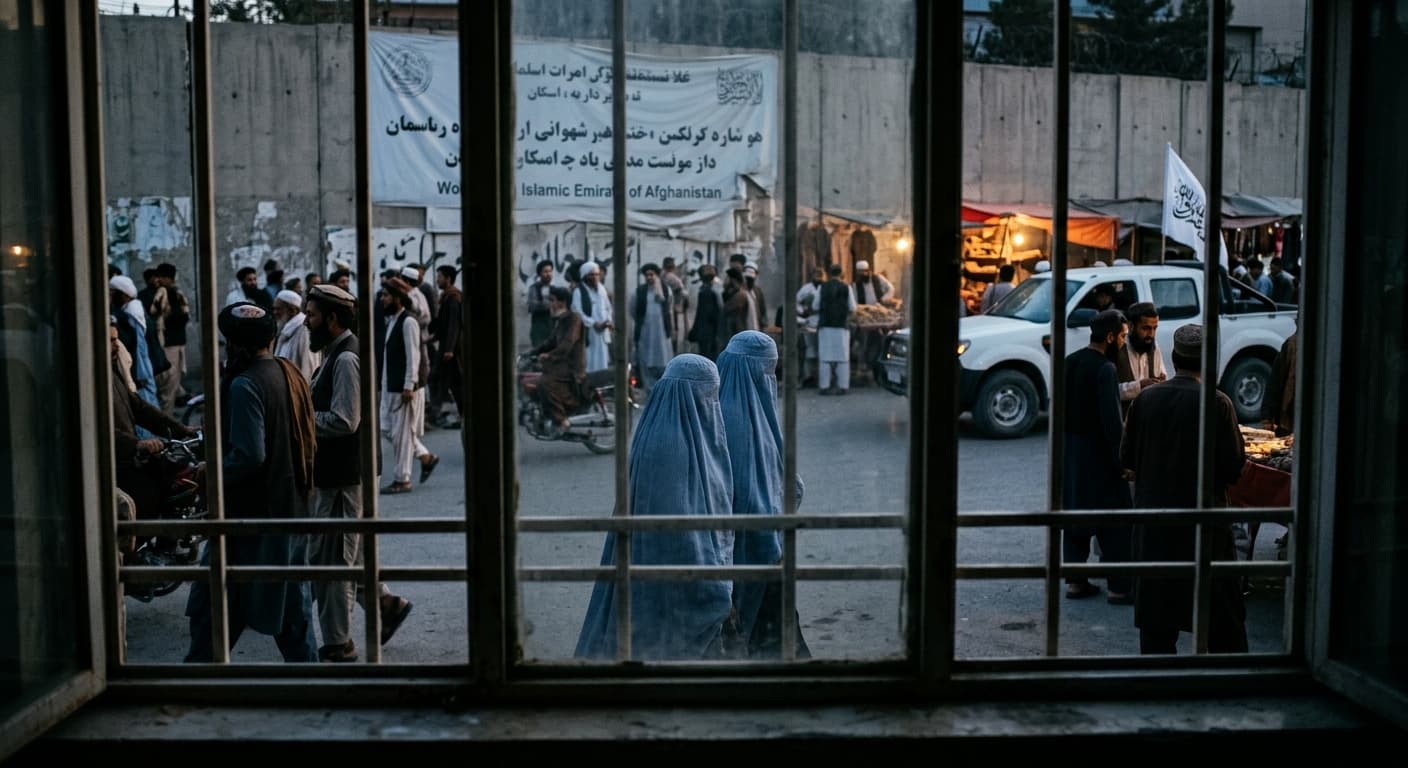
World Normalises Taliban as Afghan Women Eras
UN data shows Afghan women erased from public life as Russia recognises the Taliban, EU hosts officials in Brussels, and ICC warrants for gender persecution go unenforced.
Conflict & Security
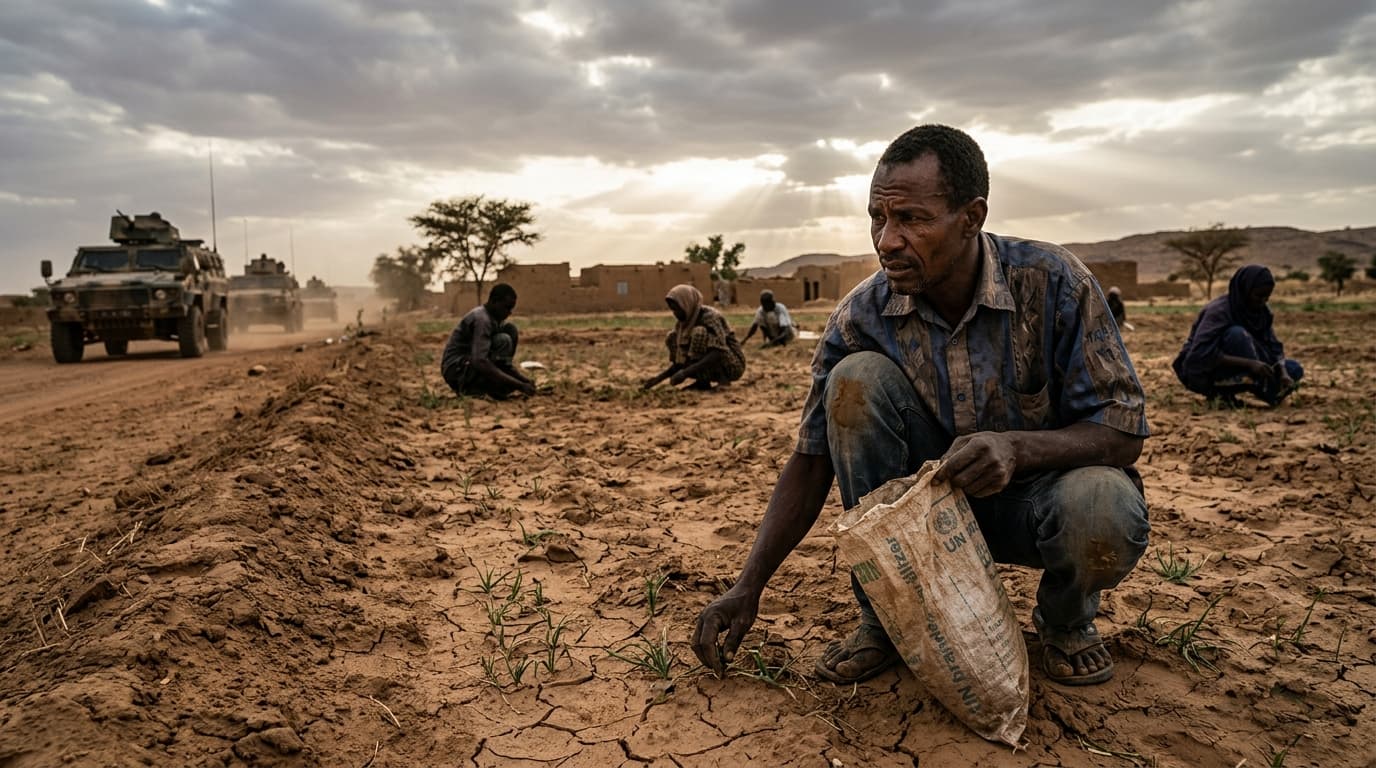
West Africa Food Crisis: Three Shocks in 2026
Conflict, climate extremes, and the Strait of Hormuz closure drive a severe food crisis in West and Central Africa, with fertilizer prices surging 80% and millions displaced.