Trivedi's Cabinet Rank: Delhi's High-Stakes
India's envoy to Bangladesh gets ministerial status, signaling intent.
Model Diplomat3 min readSouth Asia
India Boosts Bangladesh Envoy With Cabinet Rank to Repair Strained Ties
New Delhi elevates first political ambassador to Dhaka in decades to signal high-stakes diplomatic priority.
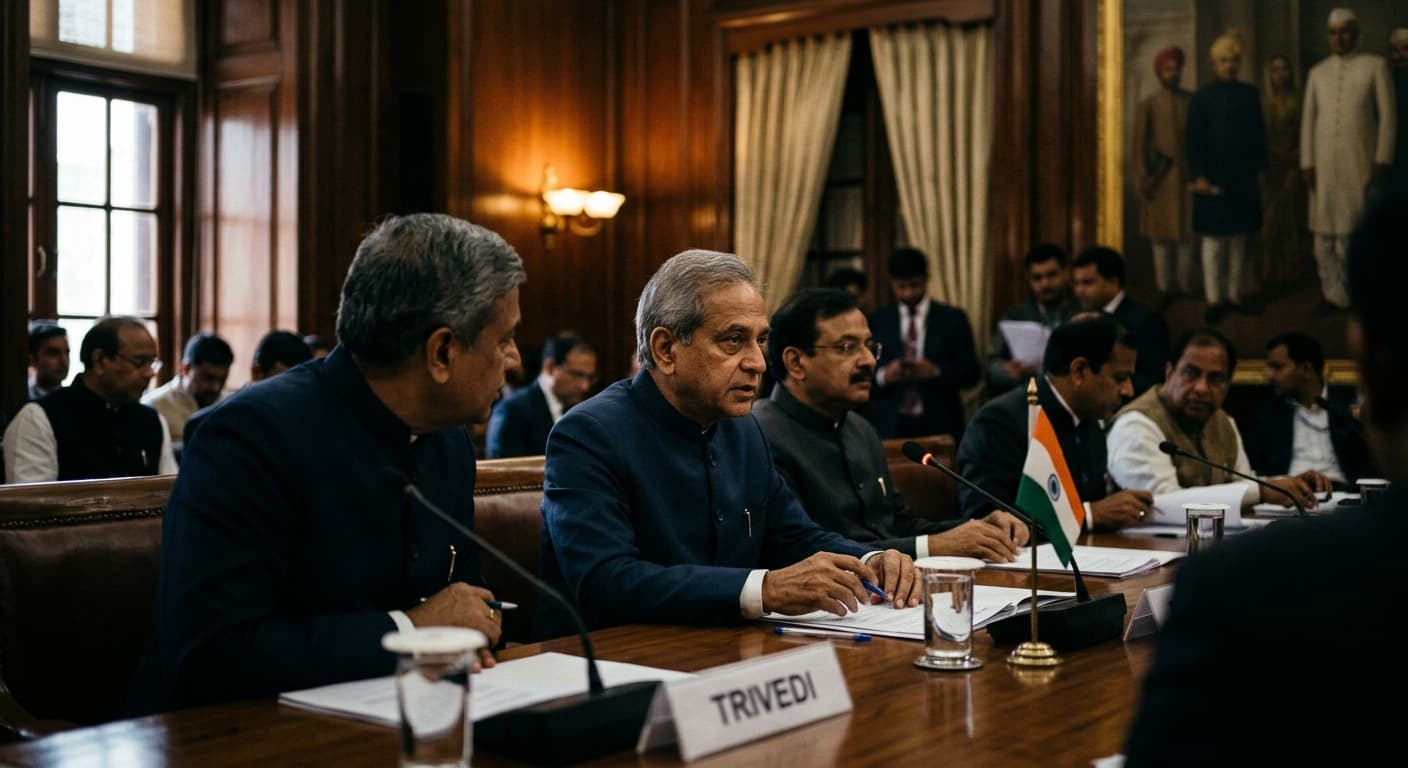
The signal matters more than the title. India granted cabinet minister status to Dinesh Trivedi, its new high commissioner to Bangladesh, via a Union home ministry notification on June 24—a ceremonial honor largely dormant in Indian diplomacy since the 1990s. The move breaks two decades of ambassadorial tradition: Trivedi is the first political appointee to head India's Dhaka mission in nearly five decades. At 76, a former Union railway minister and reluctant convert from Trinamool Congress to BJP, Trivedi arrives as New Delhi's most direct challenge yet to mending ties that fractured when
Sheikh Hasina's government collapsed in August 2024 and Muhammad Yunus led an interim administration openly hostile to Indian interests.
The elevation is not structural—(the status applies only to ceremonial protocols—but the intent is unmistakable. New Delhi is signaling that Trivedi has a direct line to the top leadership and the weight to negotiate as an equal with Bangladesh's political elite, not subordinate foreign ministry officials. Trivedi immediately announced the resumption of travel visas for Bangladeshi nationals, suspended during the 2024 upheaval, with applications reopening June 28 across five centers. The move was tactical: a tangible deliverable in his first week, aimed at rebuilding fractures that two years could not close.
Why This Matters Now
Relations hit bottom after August 2024, when student-led protests toppled Hasina's government and brought in Yunus's interim regime, which immediately became suspicious of Indian intentions. The interim government blamed New Delhi for sheltering Hasina and for alleged interference in Bangladesh's domestic politics. When Tarique Rahman and the Bangladesh Nationalist Party won elections in February 2026, India saw an opening: New Delhi sent Lok Sabha Speaker Om Birla to Rahman's inauguration and accelerated diplomatic outreach.
By April, Bangladesh Foreign Minister Khalilur Rahman visited New Delhi and met with National Security Adviser Ajit Doval and External Affairs Minister S. Jaishankar—the highest-level engagement in months. But the thaw cracked almost immediately. Assam assembly elections triggered inflammatory statements about illegal migration from Bangladesh, Assam Chief Minister Himanta Biswa Sarma inflamed tensions again, and Sheikh Hasina granted interviews from Indian exile attacking Rahman's government. Each incident reminded Dhaka that New Delhi had failed to distance itself from a leader Bangladesh views as an authoritarian, and that Indian domestic politics remains entangled with Bangladesh's instability.
Trivedi's appointment is New Delhi's answer: by sending a political figure rather than a career diplomat, India is signaling that this mission requires political weight and nimbleness. A seasoned bureaucrat cannot navigate the personality-driven, faction-ridden nature of Bangladesh's post-transition politics. A former minister, by contrast, arrives with credibility earned through decades in Indian politics and the flexibility to move quickly when directed by the top.
What to Watch Next
The next test arrives within weeks. Trivedi must navigate two unresolved structural conflicts: border killings and alleged "push-ins" of Bangladeshi nationals across the India-Bangladesh border, and the long-stalled Teesta River water-sharing treaty—both are political live wires in Bangladesh regardless of who governs. A single incident can undo the goodwill from restored visas. Watch whether Rahman's government can isolate these disputes from the broader relationship, or whether domestic pressure forces a reversal. Trivedi has weeks to establish credibility with the BNP government before the next bilateral crisis tests whether cabinet rank and political astuteness can outweigh two years of institutional damage.
Discover more
India
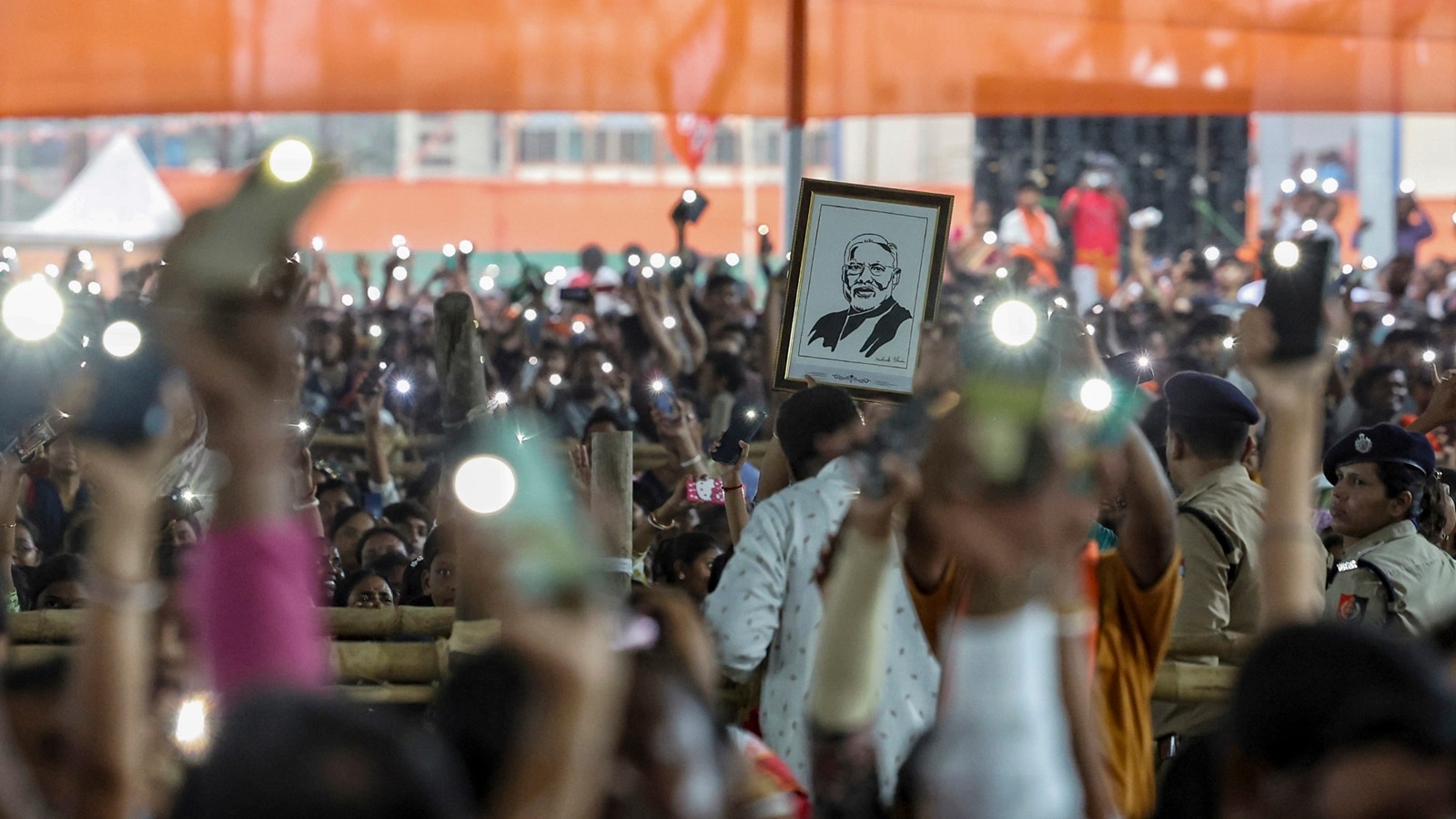
Modi's Women’s Convention in Varanasi
Modi's Varanasi rally frames women's reservation as a national mission, targeting the 2027 Uttar Pradesh elections with a strategic narrative.

India
India-South Korea $50B Trade Expansion Plan
India and South Korea target $50 billion in bilateral trade by 2030, focusing on industrial cooperation and strategic alignment amid US pressures.
India
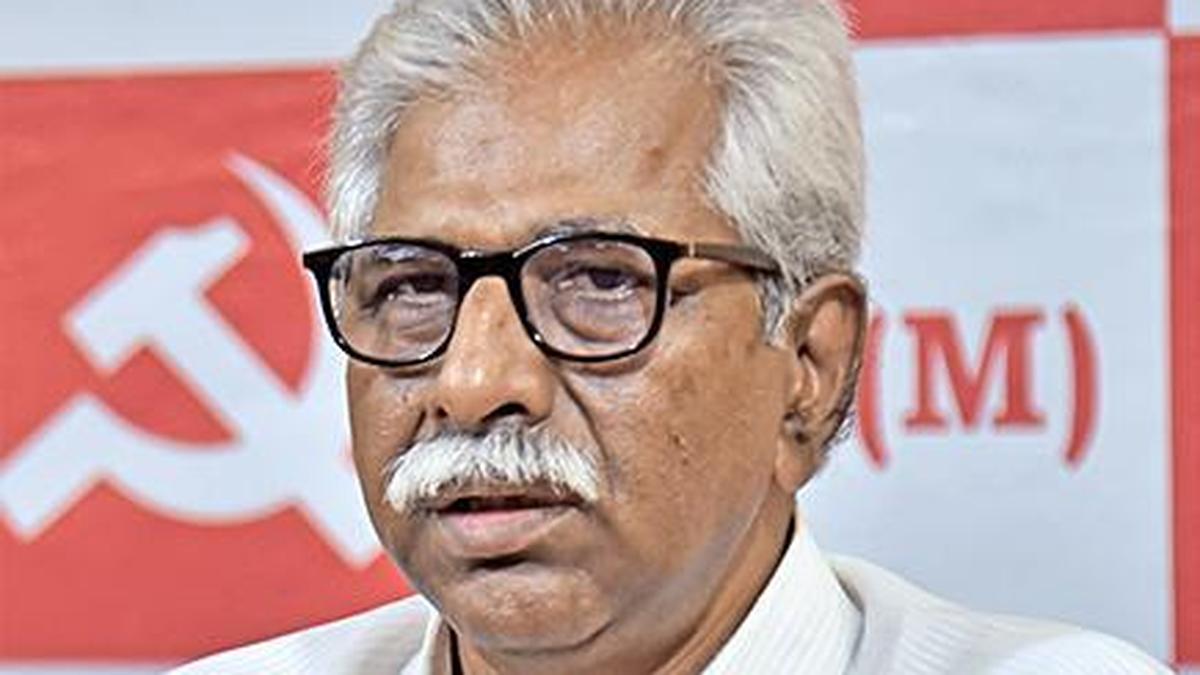
CPI(M) Calls to Decouple Quota from Delimita
CPI(M) advocates for a 33% women's quota in Lok Sabha by 2029, removing the need for delimitation and census linkage.

Conflict & Security
Drone Warfare Killing Aid Workers at Unprec
Over 1,000 humanitarian workers killed in three years as cheap armed drones collapse legal protections. Gaza, Sudan, Ukraine, and DRC see deliberate targeting of aid convoys and hospitals with zero prosecutions.