Tokelau Prepares for Third Independence Vote
Aiming for self-determination by 2026 centenary
Model Diplomat3 min readoceania
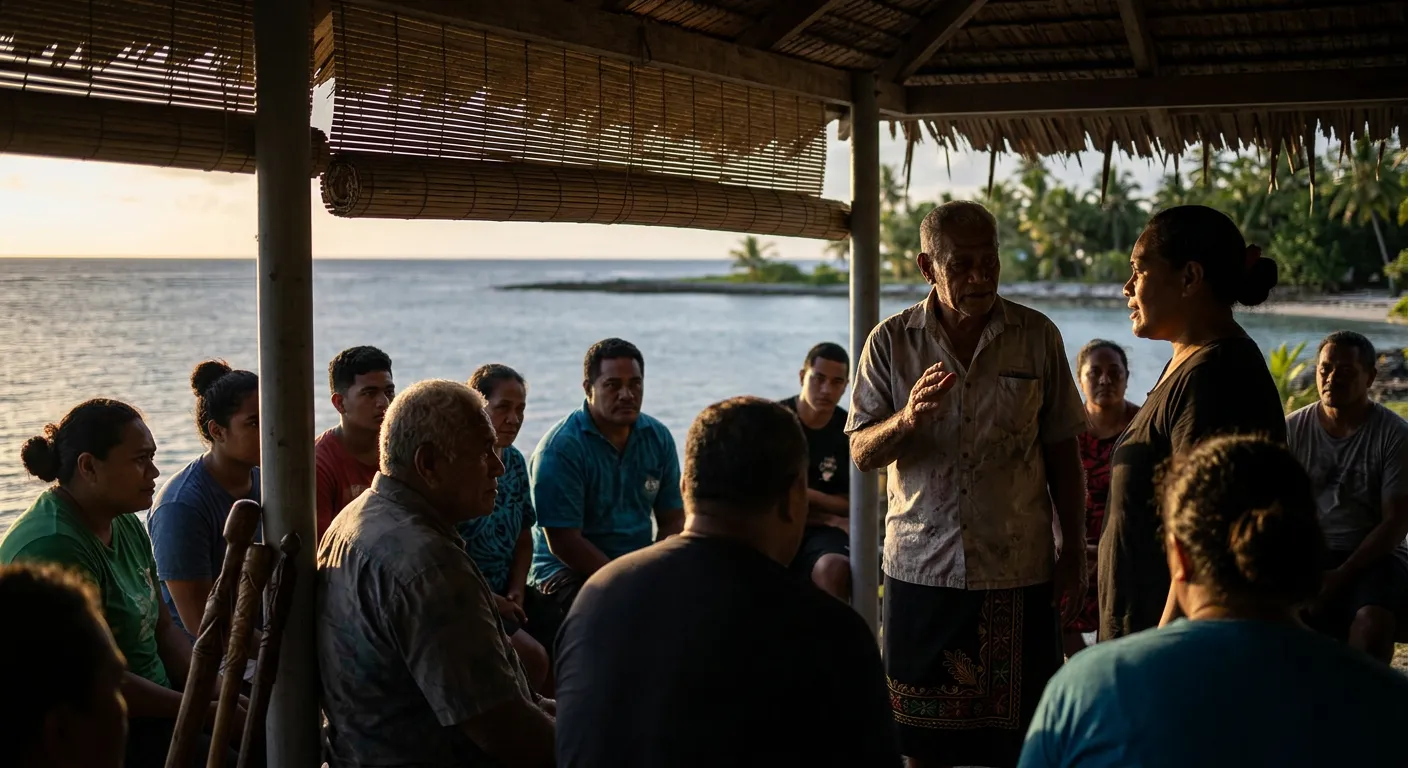
Tokelau Readies Third Independence Vote — 100 Years After NZ Took Control
With UNDP backing and a 2026 centenary target, the 1,600-person Pacific territory is again weighing whether to cut or reshape its colonial ties — after twice voting no.
A special committee is being formed across Tokelau's three atolls to educate communities on the UN's decolonisation options, laying the groundwork for what could be the territory's third referendum on self-determination. Ulu-o-Tokelau Alapati Tavite, the rotating head of government, confirmed the consultation process to RNZ, framing it as a deliberate, information-first exercise: "We don't want to force them, you know, by going through a vote that they don't understand."
The three options on the table remain the standard UN menu — full independence, integration with New Zealand, or self-government in free association, the model adopted by Cook Islands and Niue. But Tavite has already signalled where he stands. "We cannot remain at the status where we are," he told
Pacific Media Network. "I can see we have a lot of opportunities if we do make some changes."
That statement matters. The last two referendums — in 2006 and 2007 — both failed to reach the two-thirds supermajority required. The 2007 vote came closest: 64% in favour of free association, falling just shy of the 66% threshold, as BBC confirmed in its country profile. The narrowness of that margin has haunted the debate ever since. A handful of votes on atolls of roughly 1,600 people determined that Tokelau would remain a non-self-governing territory — a status the UN's decolonisation committee has long pressed to resolve.
Why this time is different
Two structural shifts have changed the calculus.
First, institutional capacity. The United Nations Development Programme is building a governance structure, management unit, and policy frameworks inside Tokelau's administration. Aukusitino Vitale, general manager of the Office of the Council for the Ongoing Government, told RNZ the aim is to "strengthen policy and legal frameworks, and enhance governance and leadership capacities in line with Tokelau's National Strategic Plan." The subtext: earlier referendums failed partly because Tokelau lacked the administrative machinery to make self-government credible. The UNDP is now wiring that machinery in advance.
Second, the centenary deadline. In 2026, Tokelau marks 100 years under New Zealand administration. Both Tavite and the General Fono — Tokelau's parliament — have endorsed self-determination work continuing with that symbolic date in view. Yet Tavite has been careful not to lock himself in. "I cannot promise you the time, because it is driven by the communities," he told RNZ. The consultation will also reach Tokelauans in New Zealand, though the final vote belongs to those on the islands.
The power balance
Wellington holds the pen but not the vote. New Zealand's official position — that self-determination is a decision for the people of Tokelau — is tactically sound. It costs nothing to say and keeps Wellington on the right side of UN decolonisation norms. But the real leverage runs deeper. Tokelau depends on New Zealand for budgetary support, citizenship, and defence. The Cook Islands passport standoff of late 2024, in which Foreign Minister Winston Peters flatly rejected a separate passport without full independence, illustrated Wellington's willingness to draw hard lines around the free-association model when it feels its interests are at stake.
For Tokelau, free association remains the most plausible outcome. Full independence for a territory of 1,600 people, with a highest point five metres above sea level and accelerating coastal erosion — Tavite flagged climate impacts explicitly to PMN — would be, in the words of one anthropologist, "nonsense." Integration would dissolve Tokelau's distinct political identity into the New Zealand state. Free association offers a middle path: sovereignty over internal affairs, continued NZ citizenship, and Wellington's security umbrella.
The committee now being formed will determine whether a referendum is actually held. Its composition, its timeline, and most critically whether it can produce a consensus that survives the 66% threshold, will decide whether 2026 becomes a historical pivot or a third failure. Watch for the committee's membership announcement and whether it includes diaspora representatives — that will signal how broadly Tavite is willing to cast the net before putting the question to a vote again.
Discover more
Global Politics
US-Iran Tensions Rise
Tensions escalate in the Strait of Hormuz as Iran and the US clash over maritime control, with a ceasefire hinging on a contested MoU paragraph.
US Politics
Virginia's Redistricting Referendum
Virginia's redistricting referendum is drawing a flood of dark money, shaping future elections and the fight for congressional control amid party stakes.
India
Women's Reservation Bill 2026: A Political Sh
India's Lok Sabha rejected the Women's Reservation Bill, exposing a political maneuver to redraw electoral maps favoring the north over the south.
Conflict & Security
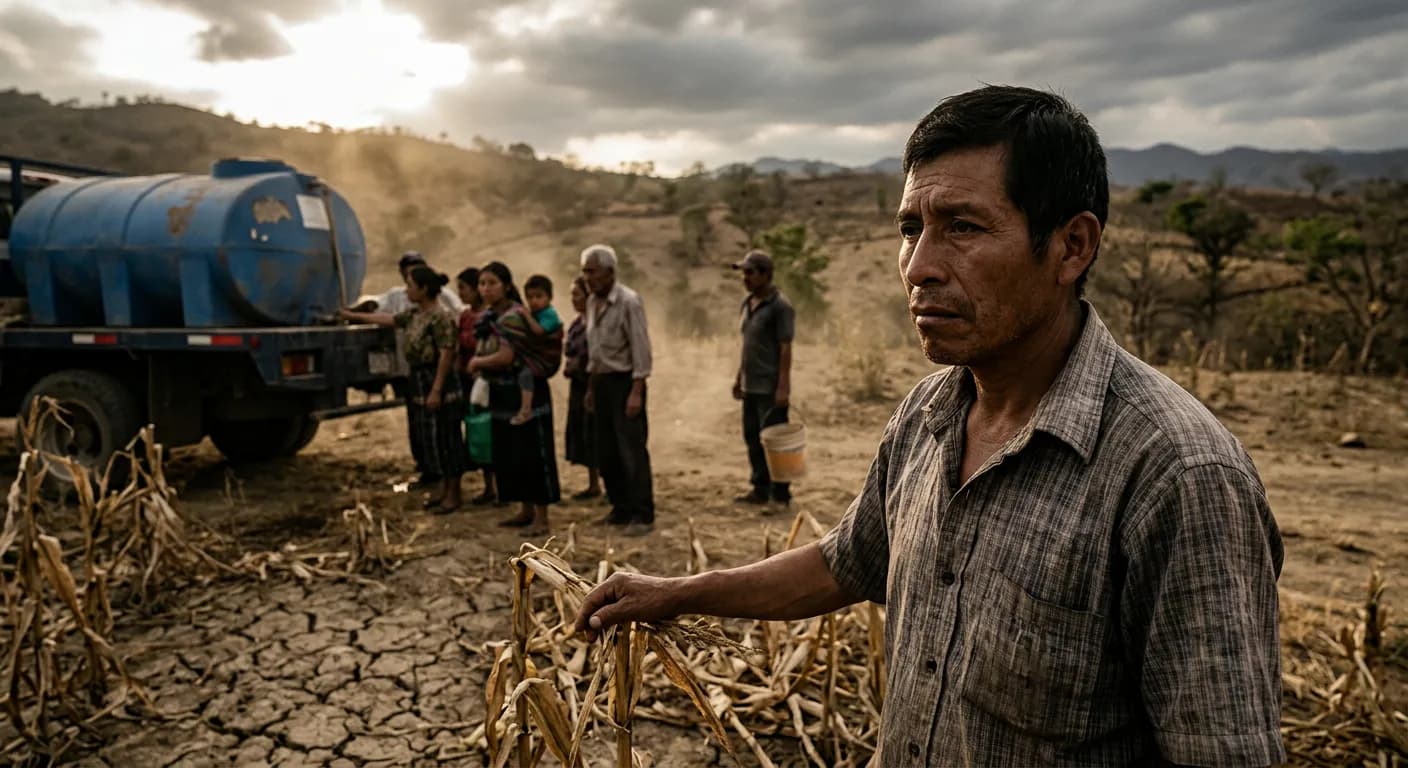
Guatemala: El Niño 2026–27 becomes regional security test
UNICEF: 25.8M children face El Niño risks in Latin America; Guatemala maps 188 municipalities for drought and food insecurity amid regional security test.