UN Peace Order Crumbles Amid Great Power Strs
Exploring the decline of the post-1945 peace system
Model Diplomat3 min readGlobal
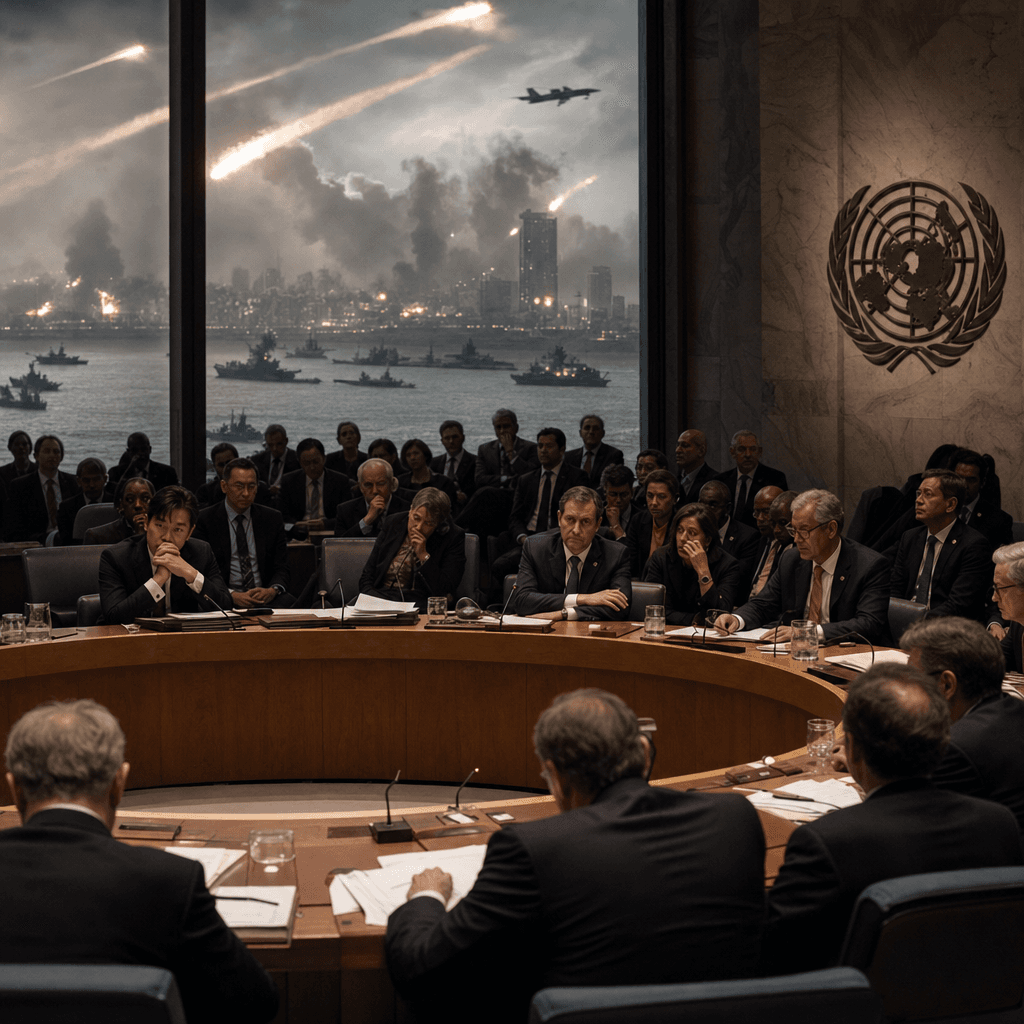
The UN’s Peace Order Is Unraveling Under Great-Power Force
Wars of aggression, veto politics, and a cash-starved UN are hollowing out the post-1945 order just as major powers need it least.
The core argument in Foreign Affairs is blunt: the postwar peace system was built on two ideas — that conquest is illegitimate and that empires must end — and both are now under sustained attack. That is not a rhetorical point. It is a power shift. The states most capable of violating those norms are also the ones best placed to block enforcement, whether through force, the Security Council veto, or selective use of diplomacy.
The leverage has moved to the strongest players
The article’s load-bearing claim is that the “long peace” was never self-sustaining; it depended on the United Nations Charter and, above all, on great powers accepting restraint when it suited them Foreign Affairs. That bargain is fraying. Russia’s invasion of Ukraine, the U.S.-Israeli strikes on Iran referenced by the piece, and the wider rearmament cycle all point in the same direction: major powers are treating the rules as optional when the strategic payoff is high.
That matters because the UN’s structure was designed to manage exactly this problem. The five permanent members — China, France, Russia, the UK, and the U.S. — retain veto power to prevent the body from becoming a coalition against any one of them, but that same design now produces paralysis Council on Foreign Relations. The result is a system that can still confer legitimacy, but increasingly cannot generate it. Smaller states lose influence; the P5 gain freedom of action.
What is being lost is not just diplomacy, but restraint
Foreign Affairs is also right that the anti-empire norm mattered as much as the anti-aggression norm. Decolonization turned the UN into a forum where newly independent states could convert sovereignty into political pressure Foreign Affairs. That source of legitimacy has weakened as humanitarian intervention, regime-change wars, and selective enforcement have blurred the line between collective security and Western projection.
The institutional damage is now showing up in peacekeeping. The Security Council still authorizes missions, but it has struggled to mobilize the political unity required to make them effective, with only limited new mission authorizations over the past decade and chronic disputes over mandates and resources Council on Foreign Relations. The practical effect is that the UN is drifting from peacemaker to damage-limiter. It can freeze conflicts in place more easily than it can resolve them.
The next pressure point is money, not doctrine
The immediate test is not another speech at the UN; it is whether the organization can keep paying its bills. BBC reported this week that Secretary-General António Guterres warned of an “imminent financial collapse,” with cash potentially running out by July unless member states pay assessed contributions or overhaul the rules. That is the hard constraint behind all the abstract talk about multilateralism.
This is where the politics bite. The United States remains the largest contributor, but it has reduced support for the UN system, and other donors are cutting aid as well BBC. If the money crunch deepens, the UN will have less capacity to deploy investigators, sustain peace operations, or broker ceasefires at the very moment its authority is most contested.
What to watch next: the July funding deadline, any move by the Security Council’s permanent members to limit or bypass veto paralysis, and whether the UN can still prove useful in active conflicts from Global Politics to
International Relations. The question is no longer whether the old order is weakening. It is who benefits from its collapse — and for now, it is the powers least interested in being constrained.
Discover more
Global Politics
Trump's Conflicting Messages on Iran War
Trump's mixed messages on Iran reflect a strategy of audience management, benefiting Tehran amid a complex geopolitical landscape.

Conflict & Security
Drone Warfare Killing Aid Workers at Unprec
Over 1,000 humanitarian workers killed in three years as cheap armed drones collapse legal protections. Gaza, Sudan, Ukraine, and DRC see deliberate targeting of aid convoys and hospitals with zero prosecutions.
Global
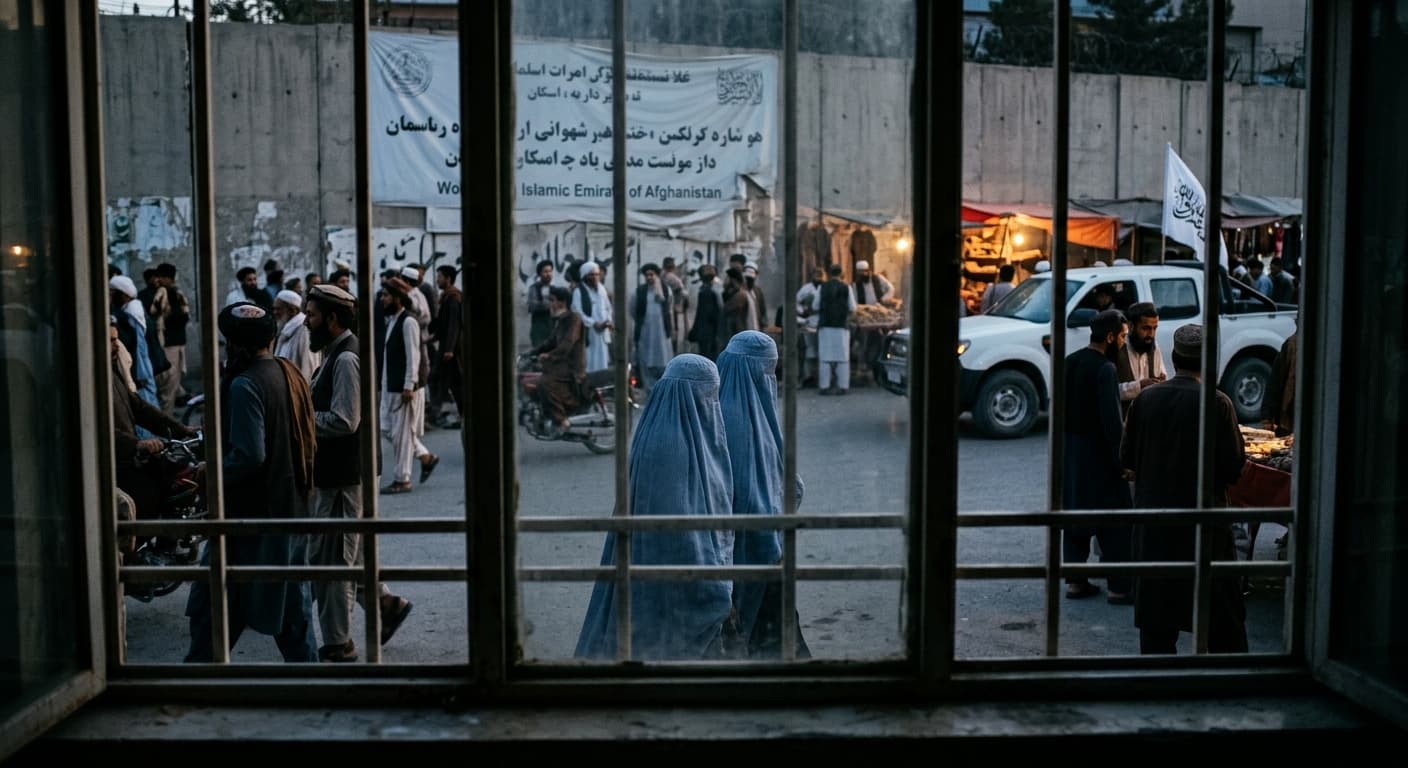
World Normalises Taliban as Afghan Women Eras
UN data shows Afghan women erased from public life as Russia recognises the Taliban, EU hosts officials in Brussels, and ICC warrants for gender persecution go unenforced.
Conflict & Security
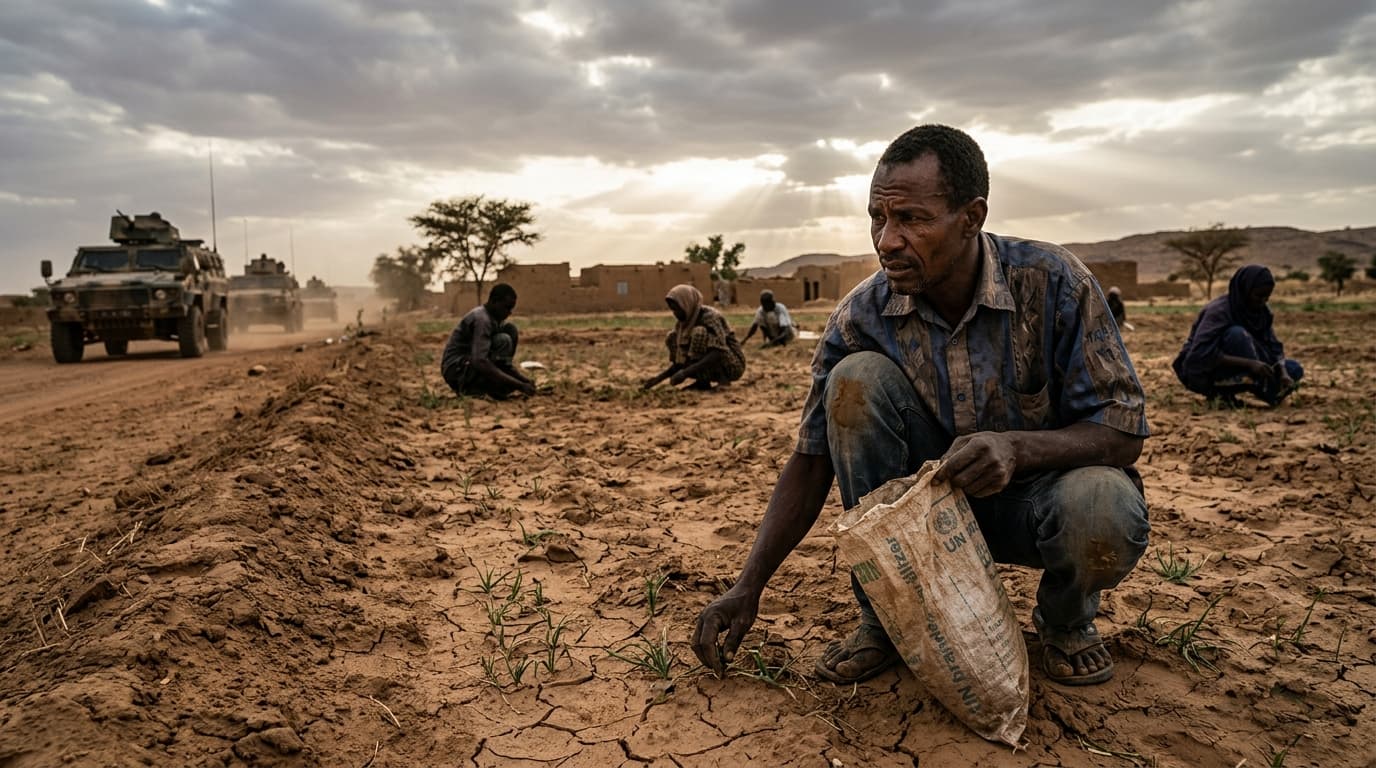
West Africa Food Crisis: Three Shocks in 2026
Conflict, climate extremes, and the Strait of Hormuz closure drive a severe food crisis in West and Central Africa, with fertilizer prices surging 80% and millions displaced.